The politics of nostalgia in the modern era
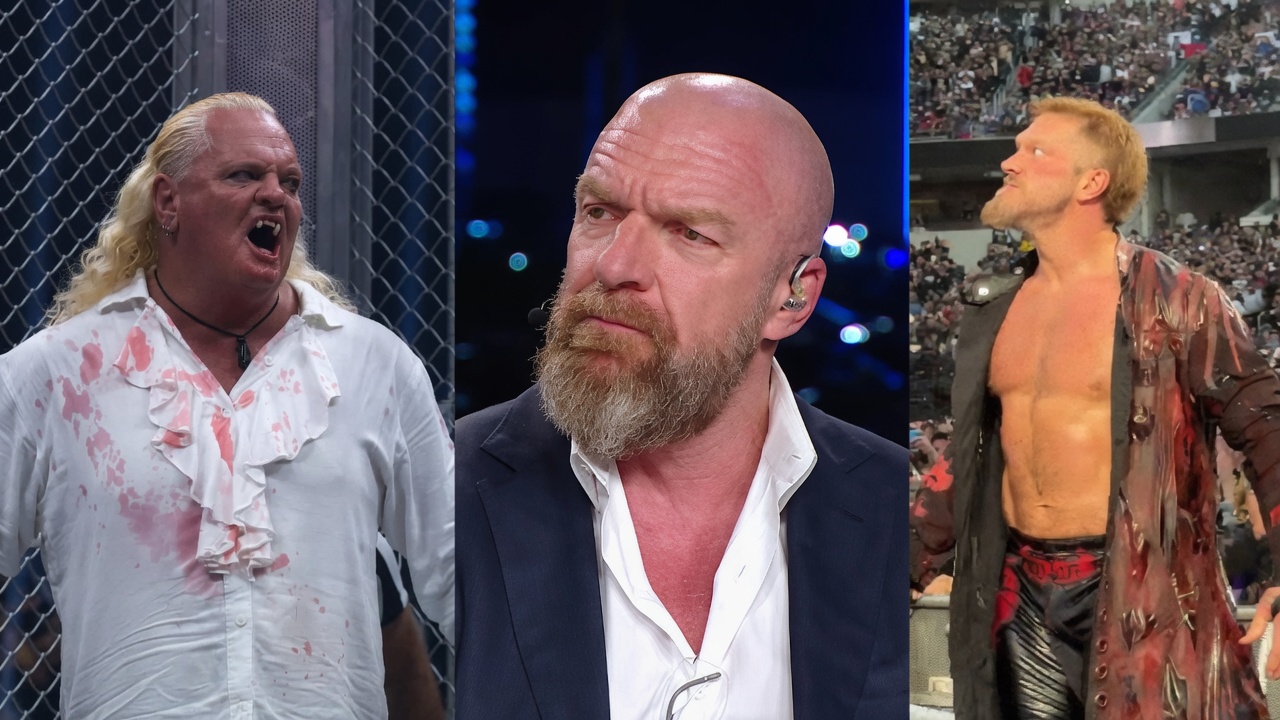
For those of you living under a rock, Gangrel recently went on record claiming Triple H shut down plans for a legendary Brood reunion at WrestleMania 39. The idea was to have the vampire king himself return for an intervention during the Hell in a Cell match between Edge and Finn Balor. Instead, we got a standard grudge match, and the internet has been busy lighting bonfires ever since.
The reaction ranges from absolute vitriol toward the front office to tactical defense of the creative direction established back in April 2023. You have the purists who watch clips from the Attitude Era on repeat, and then you have the pragmatists who are tired of every single big stage moment turning into a parade of middle-aged guys reliving their glory days.
The side of the fence demanding blood
The sentiment from the nostalgia-industrial complex is loud and consistent. If you spend time in the darker corners of Twitter or the dedicated subreddits, you will find users arguing that the company missed a massive pop. The logic here is simple: Edge versus the Judgement Day was the end of a long narrative arc that started when the faction turned on their leader, and a little occult callback would have been the cherry on top.
As reported by WrestlingNews.co, the frustration stems from the belief that Triple H is actively sanitizing the product to distance it from Vince McMahon's chaotic booking style. Fans are accusing the current regime of over-policing the fun out of the show in favor of a clean, sterilized continuity. One popular thread noted that the company has no problem bringing back other legends for cheap heat, so excluding Gangrel feels like a pointed refusal to let the past breathe.
I just don't get the cold shoulder. The crowd would have exploded if that entrance hit, even if only for 30 seconds. It wasn't about the match quality; it was about the moment.
That quote captures the essence of the pro-reunion camp. They do not care if it makes sense in the current 2026 booking cycle. They want the dopamine hit of the 1999 entrance theme and the red lights. They argue that WWE exists to sell big moments, and keeping the Brood in the rafters was a missed opportunity to print money via merch and clip-sharing.
The contrarians and the booking reality check
Now, let us look at the other side. A surprisingly vocal group of fans thinksTriple H made the right call. The counter-argument here is that modern wrestling shouldn't be held hostage by the year 1998. The match between Edge and Finn Balor was supposed to be the violent culmination of a story about betrayal, not a Halloween party.
These skeptics argue that adding Gangrel to the mix would have actively undercut the serious tone of a Hell in a Cell match. When you look at the stats, Edge was trying to re-establish his legacy as a solo force against a faction meant to dismantle him. Introducing a guy who spits blood might be cool, but it clashes with a hard-hitting brutal encounter that eventually clocked in at nearly 18 minutes of carnage.
- Some suggest that if it was meant to happen, it would have been at a lower-stakes premium live event.
- Others point out that Triple H has consistently prioritized current roster growth over "member berries"-style booking.
- There is also the question of whether Gangrel could have physically kept up with the pace requested for that specific spot.
Honestly? The skeptics have the stronger hand here. Look at the booking records from that era. The Judgement Day was being built as a legitimate threat to the entire roster. If you introduce a gimmick character like Gangrel into that specific match, you risk turning a serious feud into a circus act. Wrestling thrives when it takes itself just seriously enough to be believable.
The obsession with cameos is the single largest crutch holding back a lot of mid-card talent today. We see it everywhere on the card where a legacy act walks in, eats up ten minutes of segment time, and disappears. If the goal is to build long-term value, you have to let current stars carry the weight of the main event spotlight.
Triple H isn't perfect, and his booking often leans into a slow-burn style that drives impatient fans up the wall. However, resisting the urge to turn every big show into a greatest hits compilation is probably the one thing he gets more right than wrong. The Brood would have been a cool three-second visual, sure, but would it have helped Finn Balor get over? Not a chance.
In the end, this debate is just another chapter in the endless struggle between fans who want to remember the past and fans who want to see what happens next. The fact that we are still talking about this years later shows how much pull the Attitude Era still possesses over our collective brain structure. It's a testament to how iconic that era was, but it's also a reminder that sometimes the best way to honor a legacy is to walk away from it instead of forcing a cameo that doesn't actually fit the story.