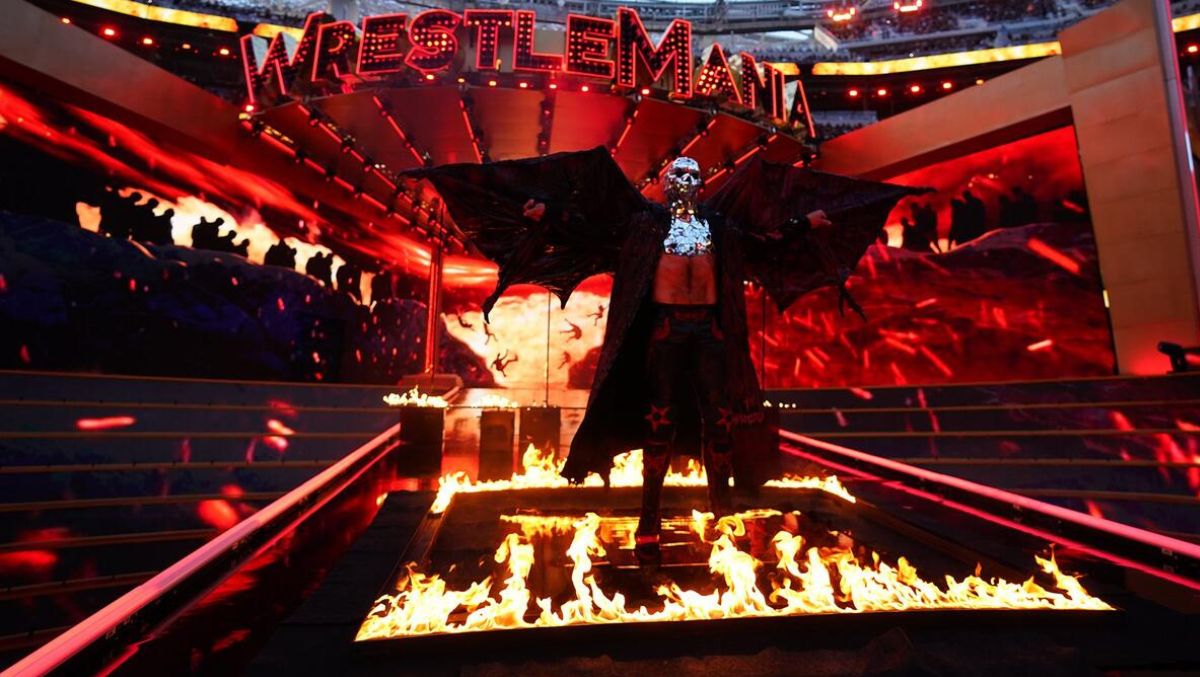
The Anatomy of Granddaddy of Them All
WrestleMania remains the ultimate yardstick for professional wrestling. Every decision made on this stage is scrutinized for years, often revealing the tension between creative vision and backstage reality.
1. The Rafters Debacle at WrestleMania 15
Gangrel, Edge, and Christian were tasked with descending from the rafters at the Fleet Center. The trio was not thrilled about the logistics of the stunt. According to recent industry commentary, all three members were reportedly freaking out during the descent. It sits at number one because it represents the dangerous era of pre-scripted spectacle where worker safety took a backseat to set design.
2. The Blocked Brood Reunion at WrestleMania 39
Adam Copeland brought back the Brood aesthetic in 2023, but the man synonymous with the entrance was missing. Gangrel has stated he believes Triple H stood in the way of his involvement. As WrestlingNews.co reported, the absence felt glaring to long-time fans who expected a full reunion. This ranks high because it underscores how modern creative control can erase legacy icons in favor of polished, singular presentations.
3. The Scrapped Triple H Reunion Narrative
Beyond the Brood, speculation continues regarding Triple H's direct impact on historic returns. Reports suggest the current creative lead has been selective with nostalgia acts that clutter the card. Sources like F4WOnline outline how these decisions change the texture of event planning. It ranks here because it reveals the shift from the chaotic booking of the past to a rigid, top-down structure.
4. The Undertaker Stumbles
The Streak ending is often discussed, but the physical decline of the matches preceding the finale remains a sour point. Matches like the one against Bray Wyatt felt sluggish and directionless. It ranks fourth because it shows how even an industry pillar can be booked into a corner of diminishing returns.
5. The Lesnar vs. Goldberg Disaster
WrestleMania 20 turned into a hostile work environment for both participants. Fans actively booed two departing stars for 15 minutes of lethargic grappling. It ranks here because it captures a moment where the fans hijacked the show to protest corporate booking.
6. The Lack of Stakes for the Intercontinental Title
Too often, the mid-card championships are relegated to the pre-show or cut entirely. When the title only gets a mention in a backstage promo, the prestige suffers immensely. This ranks mid-list because it highlights a frequent, recurring oversight in event pacing.
7. The Over-Reliance on Part-Timers
Every year, the card is stuffed with legends who have not appeared in 12 months. While nostalgia sells tickets, it consistently buries the full-time roster. This ranks seventh because it is an annual narrative problem that actively stalls the momentum of the current product.
8. Triple H vs. Sting
The booking of this match at WrestleMania 31 missed the target by a wide margin. Having the DX stable interfere in a WCW vs. WWE dream match felt petty rather than historic. It stays on the list because it proved that corporate pride sometimes blinds leadership to what the audience actually wants to see.
9. The WrestleMania 32 Attendance Flub
WWE claimed a record-breaking attendance of 101,763, but outside reports and local officials consistently disputed the total. This was a naked PR attempt that fooled nobody. It ranks lower only because it is a business footnote rather than an in-ring disaster.
10. The 20-Person Intergender Battle Royal
Filler segments that run too long are the primary cause of pacing bloat. These matches sacrifice ring quality for quantity and rarely establish a new star. It is the final entry because while it feels like dead weight, it is a persistent element of the show's structure.
Honorable Mentions
The infamous Cole vs. Lawler match that occupied valuable time slots, and the repeated delays in establishing a cohesive, long-term women's main event narrative. These omissions were agonizingly close to making the top ten based on fan frustration levels alone.