Measuring the risk of high-impact moves
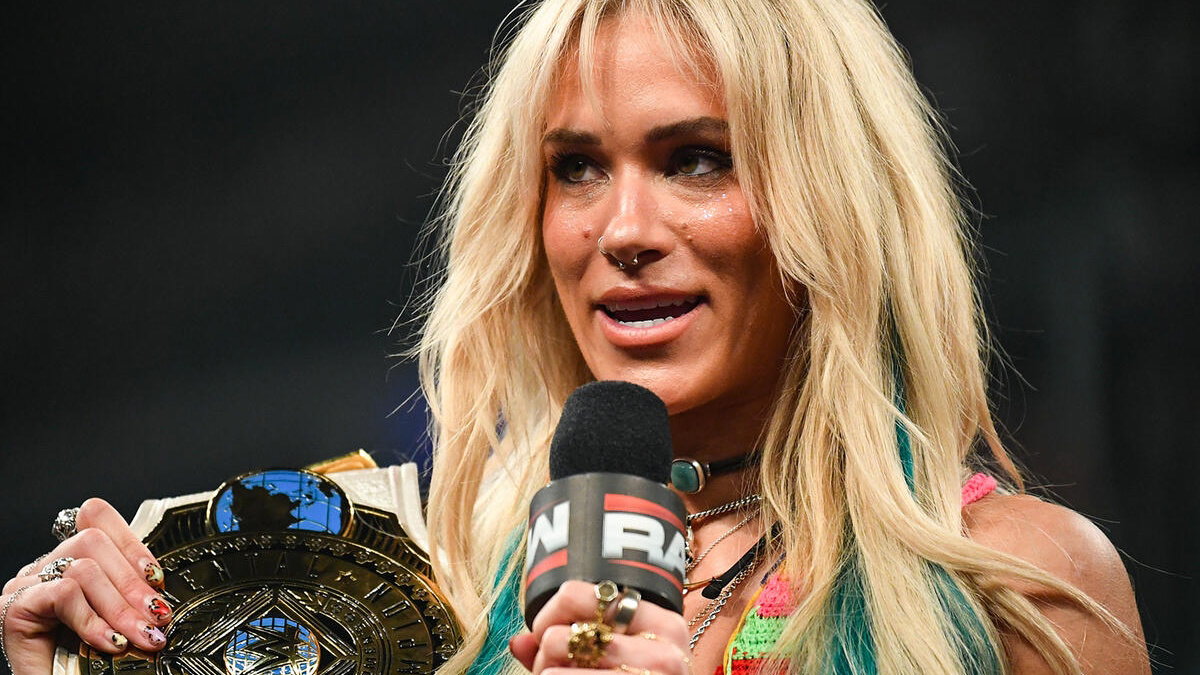
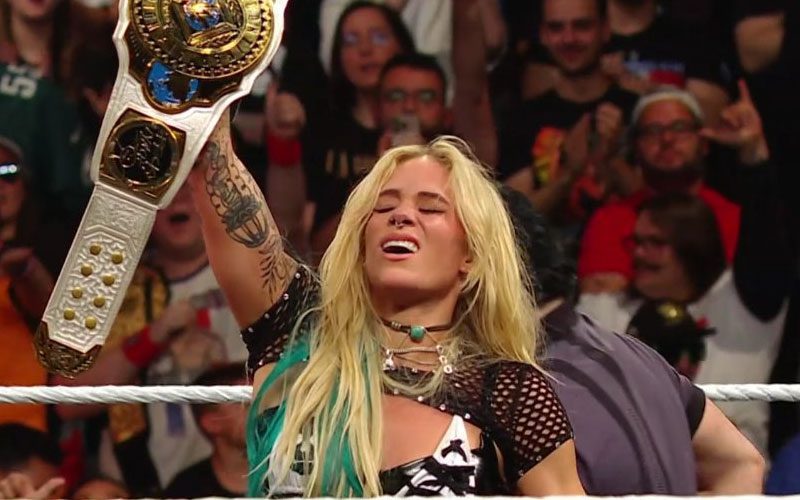
Sol Ruca's Sol Snatcher remains one of the most visually impressive aerial finishers in modern wrestling. Yet, the margin for error in a move involving a standing springboard cutter is razor-thin. Technical analysts often focus on the crowd pop, but the professional concern lies in the kinetic chain of the landing.
As Wrestling Inc recently noted, the longevity of this move is being questioned due to potential safety mishaps. When the pivot point of a rotational cutter fails to align with the opponent's bump, the risk of neck and spinal injury spikes. Industry veterans argue that repeatability is the true test of a signature move, not spectacle.
The hidden attrition of the WWE roster
The frustration surrounding talent utilization often boils down to a fundamental disconnect between internal development and televised opportunity. Joe Coffey’s recent reflections on his final year with the company highlight a pattern of stagnant booking metrics. When a performer spends months off television, their match-frequency stats drop significantly, leading to a decline in ring sharpness.
For talent like Coffey, the gap between being under contract and being actionable is a career killer. Data shows that independent workers who maintain a schedule of 80 to 100 matches per year develop faster than those tethered to limited house show rotations. Being sidelined during the prime developmental window creates a void that is difficult to bridge upon reentry to the independent circuit.
When social media replaces the squared circle
The transition from a WWE contract to the independent limelight often leads to a shift in promotional tactics. Former stars frequently leverage their social reach to force a public conversation with major promoters. The strategy employed by BJ Ray, who has repeatedly targeted Tony Khan through public solicitation for a roster spot as reported by Ringside News, is a risky bet.
Statistically, the conversion rate of Twitter call-outs to signed deals is near zero. The industry standard remains performance-based scouting. When a talent moves from a stable environment like NXT to the open market, the 0% success rate of soliciting a job via late-night social media posts suggests that the strategy is fundamentally flawed compared to direct agency work or building an audience through high-quality independent matches.
The statistical reality of transition
The numbers don't lie when it comes to the shelf life of a wrestler. An athlete's peak output usually occurs between the ages of 28 and 33. If a wrestler spends 18 months in a cycle of underutilization followed by release, they lose approximately 25% of their prime earning and performance years.
These are not just missed opportunities; they are cumulative deficits in technical and psychological growth. Whether it is the physical danger of an improperly executed Sol Snatcher or the administrative black hole of underused talent, the industry thrives on the constant churn of bodies. For the average performer, the window to prove their value is rarely longer than 36 months. When that time is occupied by inactivity or public griping, the statistical likelihood of establishing a top-tier career drops precipitously.