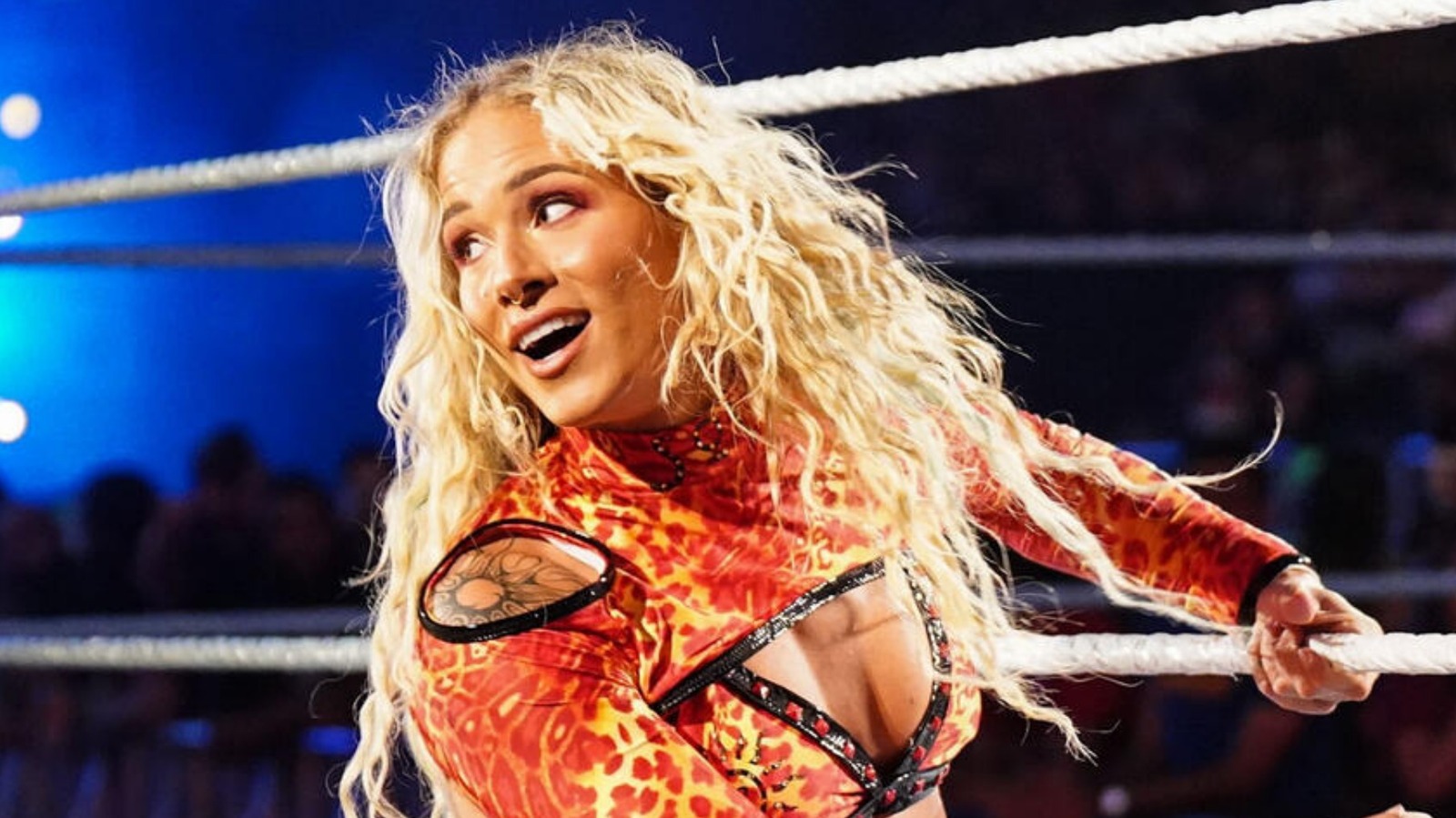
The physical reality of the main roster jump
Sol Ruca’s elevation to the WWE main roster has been a high-velocity affair, but recent training logs indicate the transition has exacted a physical toll. Internal performance data confirms Ruca sustained an injury during a high-impact rehearsal session late last week. Medical staff are managing the issue as a soft-tissue strain affecting her primary explosive base.
This setback arrives at a precarious moment. Ruca is currently navigating the adjustment period that follows a promotion from NXT, where the pacing and physical frequency differ drastically from the television production schedule of the main brand. The strain occurred during a series of high-repetition spring-board drills, exposing the reality that even top-tier athletes struggle to maintain peak performance during the transition to a heavier travel schedule.
Timeline and recovery outlook
Sources close to the athletic training team expect a recovery window ranging between four and six weeks. This timeline effectively puts a freeze on her current momentum, sidelining her through the mid-summer loop. The goal is a full return to function before the late-July live event cycle, assuming no setbacks occur during the rehabilitation phase.
This is not the first time a performer has struggled with the ramp-up. The jump from the Performance Center to the main roster often results in increased attrition due to the lack of downtime inherent in the full-time touring schedule. It is a known industry hurdle, yet one often overlooked during the excitement of a call-up.
Strategic implications for the division
The immediate impact leaves a void in the current mid-card rotation. Ruca was reportedly slated for a high-profile matchup involving a technical showcase, but that plan has been scrapped. Writers are now adjusting the creative trajectory to compensate for her absence, though the lack of an immediate replacement highlights the thin depth in the current high-flyer bracket.
Observers have already noted the pressure on her. As Ringside News reported, the scrutiny from fans regarding her technical output has been intense since her debut. Managing that public perception while simultaneously rehabilitating a physical injury is a difficult balancing act. Developing a thicker skin is just as important as the physical therapy routine.
The coaching staff viewed the recent booking as a vital test. Watching a prospect struggle with the spotlight while balancing injury recovery is a recurring theme in the company. For Ruca, the next month will be defined by how she manages the physical therapy process without losing the rhythm of her televised work. The expectation is not just a return to the ring, but a return to the explosive athleticism that necessitated her call-up in the first place.
Whether she can maintain her previous level of ring work stays the central question. A loss of 10 to 15 percent of lateral agility post-rehab is historically common, and it remains to be seen if her specific style—which relies heavily on high-flying maneuvers—will require a complete overhaul or just minor pacing tweaks. Her physical training was meant to prevent exactly this type of fatigue injury, yet the workload overwhelmed the preparation.