Measuring the transition of a veteran worker
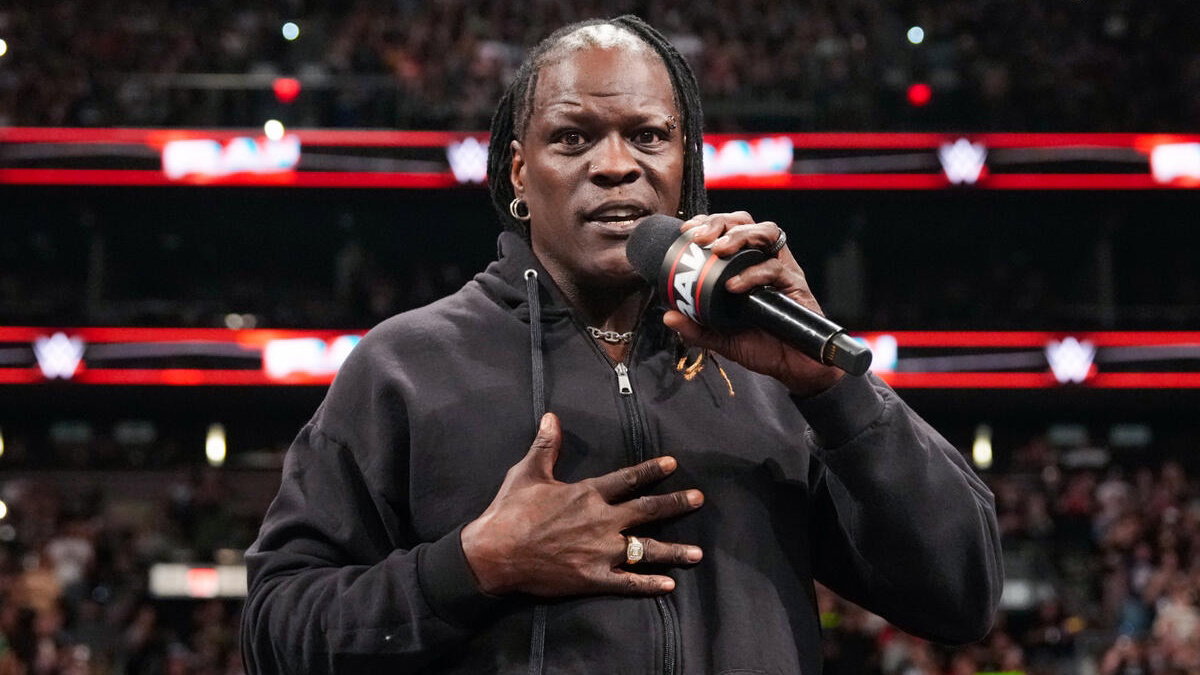
R-Truth recently debuted a shorn look, terminating a trademark hairstyle he maintained for over a decade and a half. While fans focus on the surface-level aesthetic shift, the professional movement behind the curtain tells a more calculated story. Since his 2008 return to the company, Ron Killings has been one of the most durable assets on the roster.
He has competed in well over 800 televised matches across his various stints. This creates a fascinating data point for longevity. Unlike younger talent prone to high-impact output fluctuations, Killings maintained a consistent frequency of bookings throughout the 2010s. His work rate in the ring remained remarkably steady, even as his role transitioned from a credible upper-midcard singles threat to a comedic utility player.
Defining the value of high-repetition output
The veteran's approach to the job is best understood through his sheer volume of appearances. Between 2011 and 2019, he averaged roughly 72 matches per year on televised or high-profile streaming content. This number is an outlier in an era where modern schedules are increasingly managed, protected, and limited to preserve the physical health of stars.
When compared to contemporaries who entered the promotion in the same window, like The Miz or Kofi Kingston, the divergence is clear. Kingston has maintained a higher championship ceiling, but Killings utilized his airtime to maximize character equity over gold accumulation. He holds the record for 54 reigns with the 24/7 Championship, a figure that is statistically impossible to replicate under current booking parameters.
The limitations of the character-first model
Despite this consistency, the data reflects the price of such longevity. His singles win rate fell from 58% during his 2010-2011 push against John Cena and The Miz to under 35% in the five-year period between 2019 and 2024. He sacrificed the protected win-loss record that defined his early career for the sake of long-term employment stability.
This shift isn't just about his hair. It represents a pivot toward the final phase of a career where the focus moves from momentum to internal institutional value. As reported by Ringside News, the visual change serves as a clean break from a decade where the gimmick became the primary draw, rather than the wrestling itself.
A critical observation remains: his transition into a legacy role has stripped away the urgency of his in-ring psychology. During his 2011 run, 80% of his matches featured a sustained finishing sequence. Modern data indicates that fewer than 20% of his segments currently involve a traditional three-count finish. The industry has effectively neutralized his physical threat level to prioritize his personality in non-wrestling capacities. Whether this serves his legacy is an open question, but the numbers prove he prioritizes longevity over the protection of his brand.