The strategist returns to the conversation
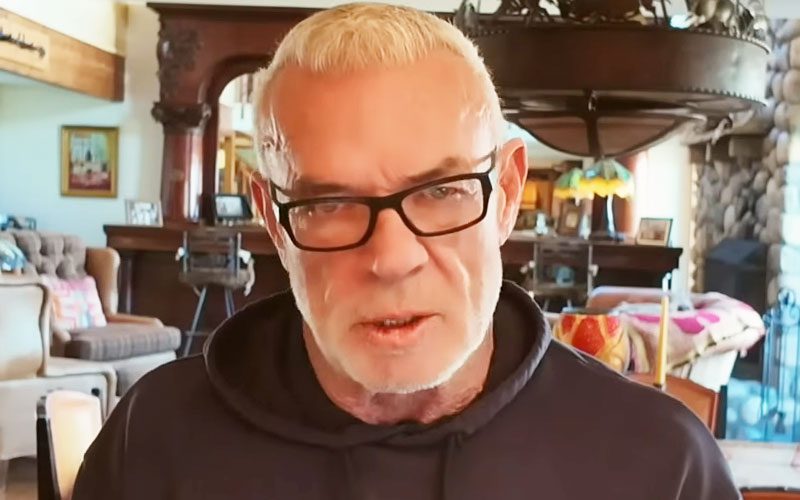
Eric Bischoff remains a lightning rod in professional wrestling. With recent discussions surrounding his past business maneuvers, including his rejected opportunity to purchase the UFC, as outlined by WrestlingNews.co, speculation has inevitably turned back to his relationship with WWE. Bischoff has been clear, stating fans need to settle down regarding the perceived decline of the industry market leader.
His public commentary suggests he is not looking to bury the hatchet for a formal front-office gig, yet his deep history with the E suggests he remains a wildcard. If he were to return in a consultant capacity, it would signal a shift back toward the chaotic, high-stakes booking style he championed in the late nineties.
Tactical flaws and creative baggage
Bischoff thrives on big-money spectacles, but his track record is not without significant blemishes. As WrestlingNews.co detailed in their analysis of TNA's position, Bischoff struggled to elevate secondary promotions into true contenders. The criticism often centers on his inability to foster consistent, sustainable growth outside the bubble of well-funded, established entities.
Bringing him into a modern WWE environment feels risky. His preference for shock-and-awe tactics often leads to burn-out in the mid-card, where long-term storytelling is the current engine. If a return were to manifest, the most logical slot would be a short-term screen presence rather than structural creative oversight.
The reality of the current market
Bischoff is currently framing himself as a reality check for the internet wrestling community. He posits that WWE is not in the tailspin many assume, even referencing past business decisions to keep his pulse on the corporate side of sports entertainment. He is currently more a commentator on the state of the industry than a participant within it.
His lack of interest in long-term administrative roles stems from his focus on independent media ventures. The probability of him stepping back into an active, day-to-day role with a major promotion is minimal. Most insiders view his current output as a deliberate move to maintain relevancy while avoiding the daily grind of booking television hours.
Why the rumour won't go away
Hardcore fans gravitate toward the idea of a Bischoff return because it feels like unfinished business. His ability to build a narrative out of massive, ego-driven conflicts is undeniable. However, the modern WWE machine is built on data and scripted longevity, two concepts that never sat comfortably with Bischoff's impulsive, unpredictable philosophy.
A return would likely involve a Hall of Fame cameo or a special guest appearance at a big-four event. Expectations for anything beyond this are disconnected from the current trajectories of both the individual and the organization. His value now is strictly as a voice that challenges the status quo from the outside.
Critical assessment of the potential fit
If Bischoff were forced into a creative room today, he would likely clash with the current preference for methodical, week-to-week pacing. He remains a man who wants the payoff in the first segment of a three-hour show. That approach creates massive ratings spikes followed by immediate viewer fatigue.
His skepticism of the TNA journey highlights his own limitations as a builder. He tends to focus on the top of the card at the expense of the roster's depth. WWE does not need someone to polish the main event; they need leaders who can maximize the value of the vast talent pool currently filling their undercard cycles.
Probability and outlook
The probability of this deal remains low. Bischoff has no immediate incentive to abandon his current media independent status for the constraints of a corporate contract. Any reports linking him to a structural move are likely fueled by fans hoping for a revisionist history where the Monday Night Wars can be replayed.
If a surprise return occurred, the impact would be purely aesthetic. You would see chaotic booking shifts that likely burn through current story arcs in a matter of weeks. The industry is currently moving away from the kind of impulsive decision-making that characterized his peak. Bringing him back would be a nostalgic play, not a tactical evolution for a company that seems firmly set on its current course.