The transition from kid to killer
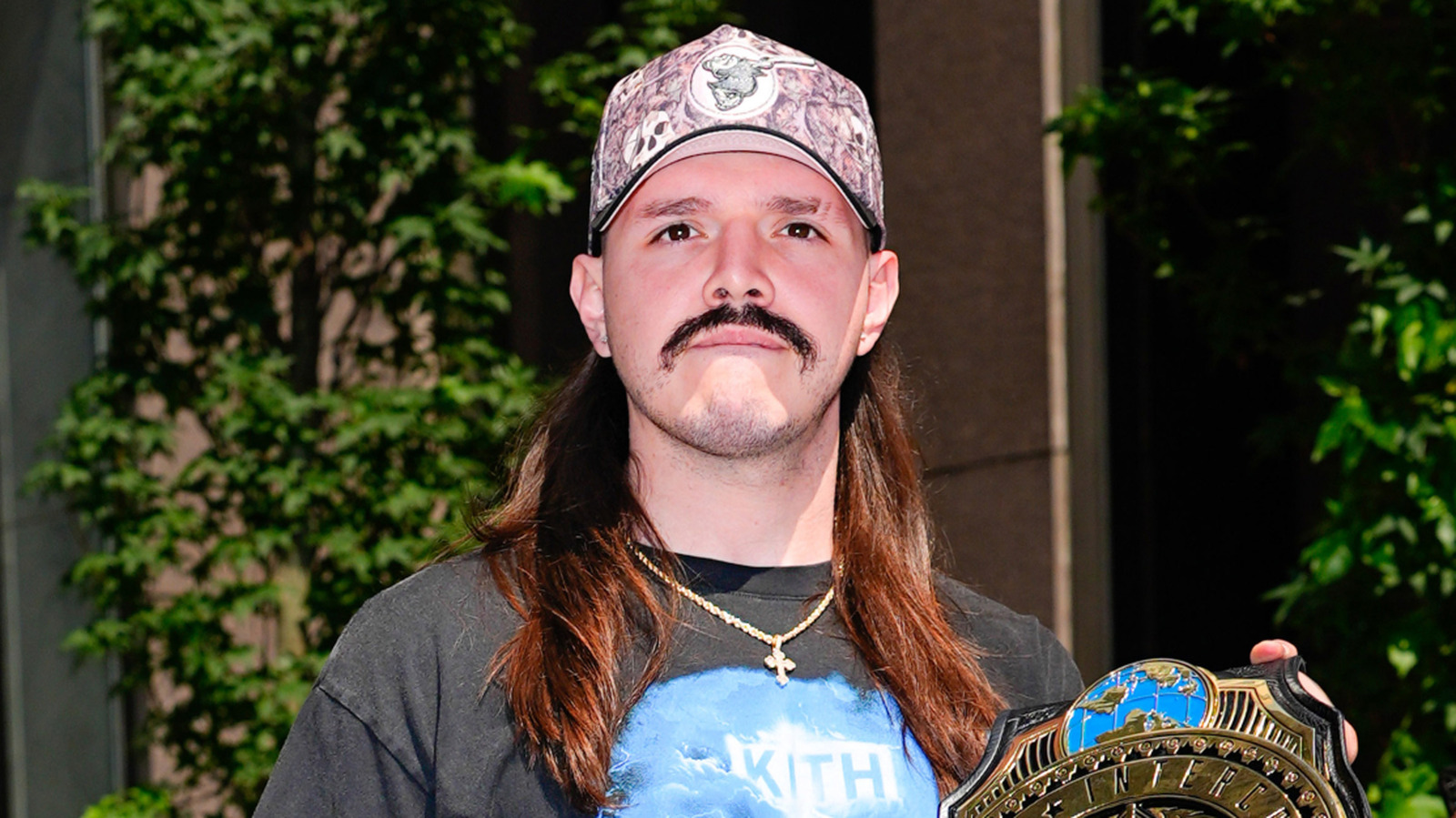
Most fans point to his 2005 Ladder Match cameo as the start of Dominik Mysterio's career. It was a cute moment involving a custody battle in a ring, but recent comments from the man himself make it clear that the spotlight wasn't a playground for him. He admits he never enjoyed the attention that came with being a child of the business.
That discomfort defines his current character work. When he steps out for a main event, he isn't playing the legacy act or the star-struck rookie. He is leaning into a genuine, prickish disdain for the crowd that feels far more real than any scripted rebellion. It is the most focused character development on the roster.
Why the heat ignores the statistics
You can look at match times or social media interactions to gauge a performer's value. Dominik routinely pulls crowd reactions that dwarf veterans with twice his tenure. He understands that in the current booking era, the ability to generate genuine scorn is a commodity worth more than any technical work rate.
The criticism, of course, is that he leans too heavily on interference to close his segments. It is a valid complaint. Watching three matches in a row end with a distraction finish wears thin for anyone tracking the product closely. He needs to evolve beyond the crutch of faction-based interference if he wants to sit at the top of the card.
The prediction for the back half of 2026
Dominik is headed for a solo run that will strip away the safety net of his current stable. By October, he will be holding a mid-card title without the need for constant ringside protection. This serves as the true test of his longevity.
If he can maintain his current heat levels during a 15-minute singles match without external interference, he reaches the main event tier by the next calendar year. WWE management is clearly investing in his capacity to carry the heat segment for the red brand. I suspect we see a clean center-ring victory at a major PLE before the leaves drop, which will solidify this shift.
I didn't like the attention as a kid. It wasn't something I sought out.
The man isn't performing because he loves the rush of the cameras. He is performing because he has learned to weaponize his lifelong experience with a business he was forced into. That creates a friction that plays perfectly on modern television.