
Fallon Henley and the specific craft of NXT’s developmental machine

The transition from indie talent to NXT fixture
Fallon Henley occupies a strange, rewarding middle ground in modern wrestling. She is the archetypal workhorse, a wrestler who arrived in Orlando without the heavy burden of top-tier expectations but has slowly ironed out her move set into something reliably explosive. Her tenure reflects the current philosophy of the Performance Center, a departure from the rapid-fire call-up cycles of the last decade.
Recent comments regarding her time under Shawn Michaels reveal a granular approach to teaching. It is not just about executing a high-angle suplex or finding the right camera angle; it is about the geometry of the ring. When Henley speaks about her development, she focuses on the minutiae of character placement and the rhythm of a broadcast-ready match.
The Shawn Michaels influence on ring psychology
Michaels has spent years refining the NXT roster, moving away from the pure power-bomb style that dominated the early 2010s. In watching Henley's recent matches, the footprint of that mentorship is visible in her pacing. She understands that a crowd is a variable, not a constant, shifting her intensity based on the live response to her striking combinations.
Developing this intuition takes years, yet the modern WWE schedule offers little margin for error. Henley has improved her ability to sell damage without sacrificing her own offensive momentum. It is a subtle art, one that most viewers appreciate only when it is absent. The lack of frantic, aimless movement in her matches suggests a coach who prioritizes spatial awareness over flash.
The persistent gap in the women's division
However, the praise for the developmental process often glosses over the thin line between being a polished teacher product and a star with genuine agency. Henley remains an effective utility player, but there is a clear ceiling when you look at the raw statistics of her title pursuits. She has yet to translate these technical refinements into a sustained main-event narrative.
The booking of the women’s division often forces talents into hyper-specific archetypes. While Henley has successfully navigated the shift from tag team roles to singles work, she occasionally feels trapped by the lack of long-form storytelling. A technician is only as interesting as the stakes attached to their next contest. If the creative output does not match the technical input provided by her coaching staff, the progress remains stagnant.
Mastering the technical transition
Watch any sequence where Henley works on the mat. She doesn't just transition into a hold; she cuts off the exit points. This suggests a curriculum in the Performance Center that values wrestling IQ as much as physical capability. Many developmental prospects enter the system with high athleticism but zero capacity to tell a story through limb work or defensive fatigue.
Henley has circumvented this common pitfall by adhering to the fundamentals taught by Michaels. She has successfully increased her strike velocity and refined the mechanics of her finishers. These are small, incremental gains. They rarely generate viral clips on social media, but they ensure that when she is finally asked to carry a major event, she will not be the weak link in the chain. Reliability is the most underrated attribute in a company that produces thousands of hours of content annually.
The price of the developmental cycle
The danger, of course, is burnout. Henley has been in the system for a significant duration, and while her ceiling has moved, the path to the main roster remains opaque. Some talents spend so long in the NXT environment that their style becomes sterile, losing that unpredictable edge that defines superstars like Rhea Ripley or Bianca Belair. There is a precise time to leave the nest, a tipping point where technical perfection starts to cannibalize raw charisma.
Henley is nearing that point. She has absorbed the lessons, improved her stats significantly, and arguably reached a point of diminishing returns with the current training environment. The next 6 to 12 months will be defining. If she can bridge the gap from a reliable hand to a marquee performer, it will be the strongest piece of evidence yet that the current NXT developmental prototype actually works for the long haul.
Dungeon of Death: Mankind and the Many Lives of Mick Foley
A deep dive into the legendary career of the Hardcore Legend.
Frequently Asked Questions
How has Shawn Michaels influenced Fallon Henley's development?
What is the primary focus of the current NXT performance model?
What technical skills has Fallon Henley mastered in NXT?
Why is Fallon Henley considered a workhorse in the NXT division?
What challenges does Fallon Henley face in her NXT career?
More Coverage
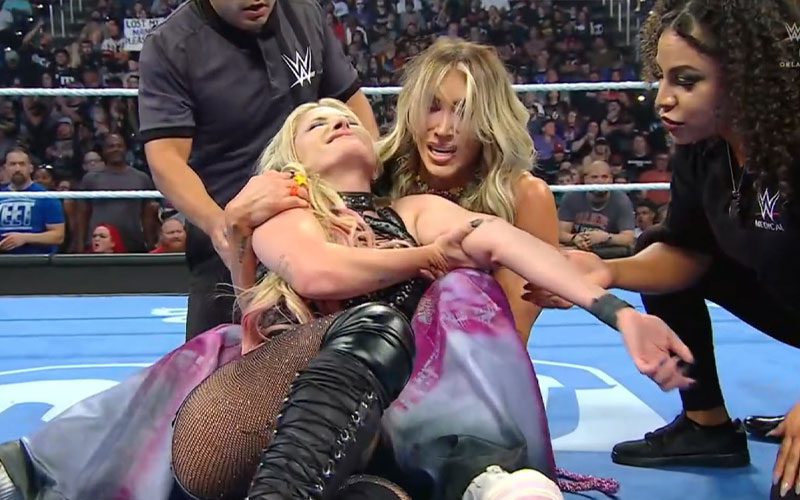
Jade Cargill is playing a dangerous game with the Raw roster
2 hours ago
Kevin Nash’s Orndorff lesson remains the blueprint for modern stars
2 hours ago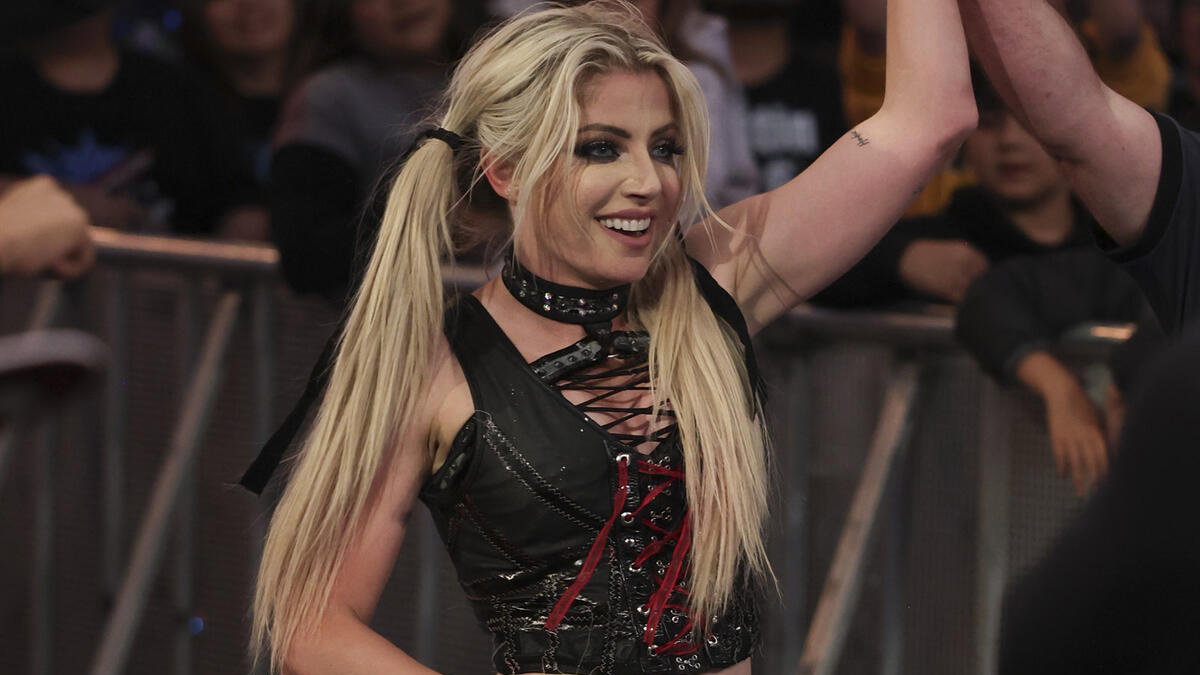
Top 10: The Most Impactful Pro-Wrestling Moments of 2026 So Far
2 hours ago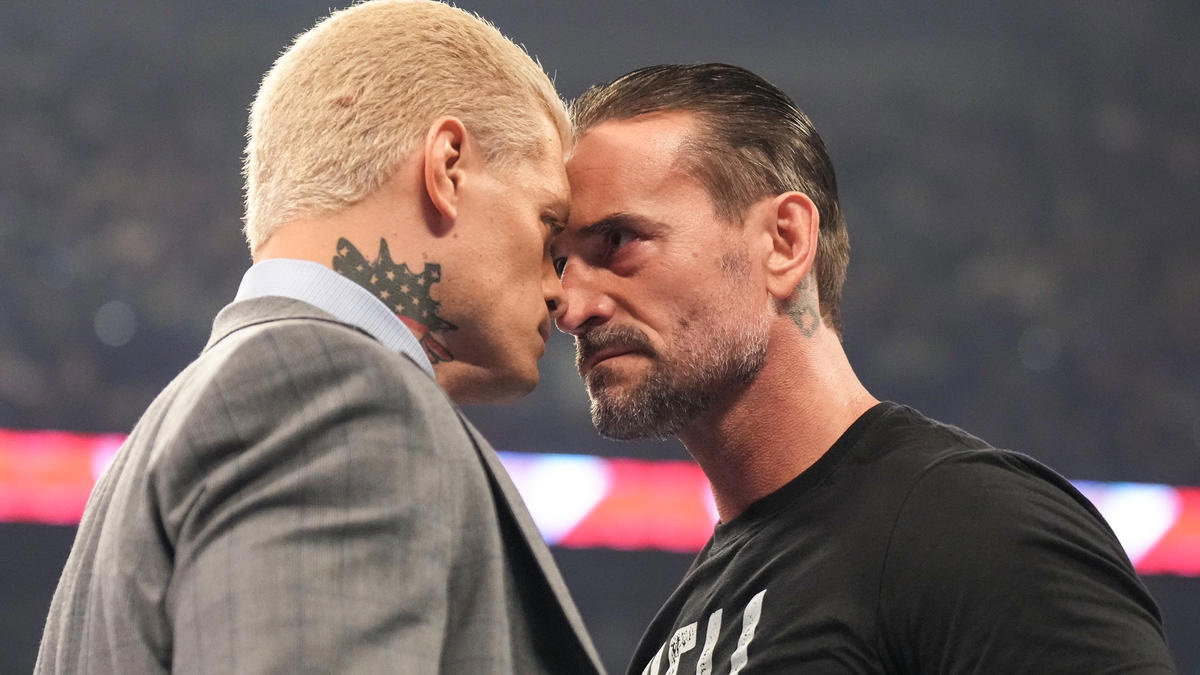
Punk vs. Rhodes is the SummerSlam main event we actually need
4 hours agoCM Punk and Cody Rhodes are already playing a dangerous game
5 hours agoWhy we’re still obsessing over the Pipe Bomb 15 years later
5 hours agoMore Analysis
Jade Cargill is playing a dangerous game with the Raw roster
2 hours ago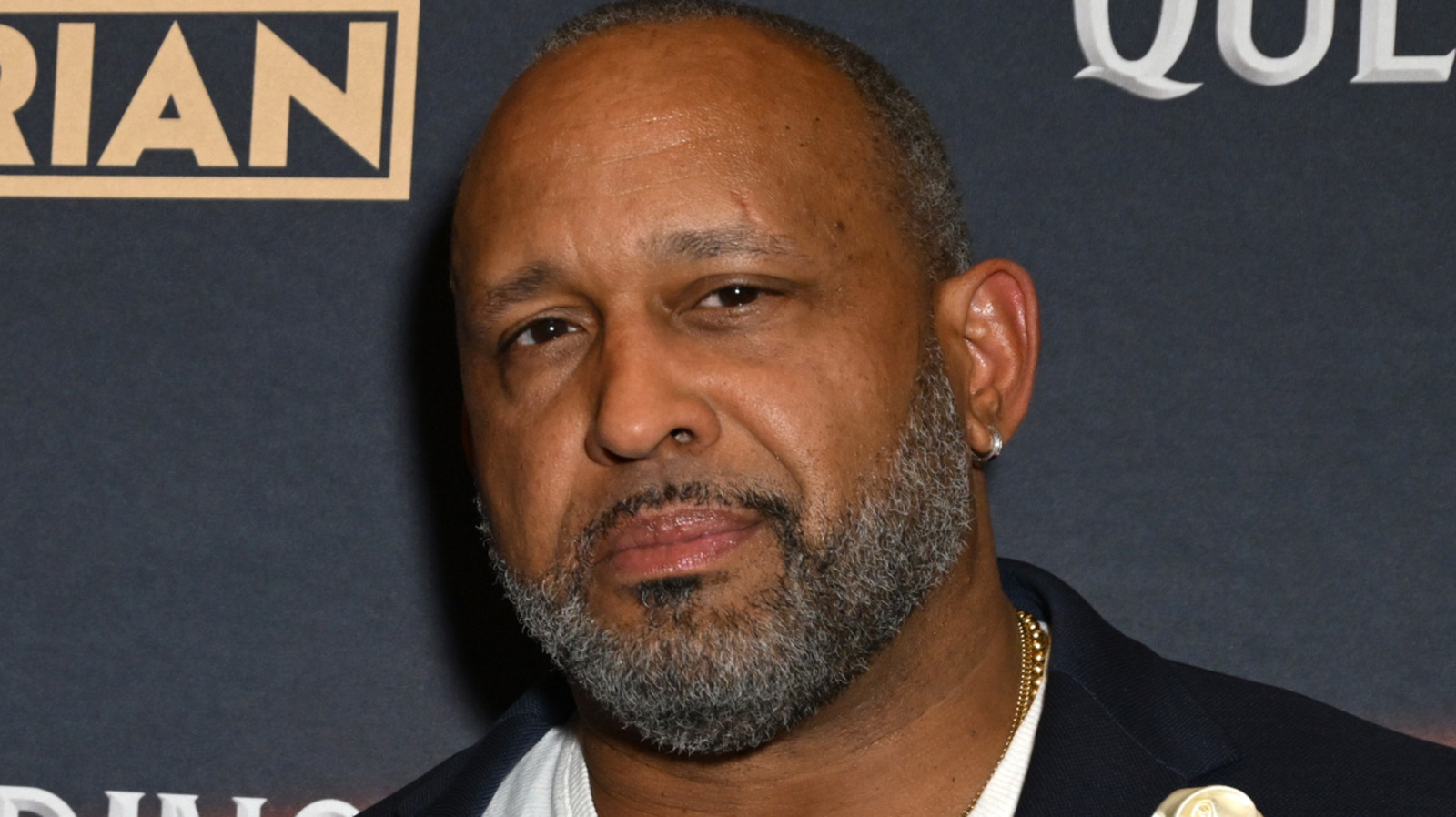
MVP's physical toll reveals the true cost of the 2008 Royal Rumble grind
2 hours ago
Kevin Nash’s Orndorff lesson remains the blueprint for modern stars
2 hours agoNJPW's G1 Climax 36 gamble shifts to Chicago soil
2 hours ago
Top 10: The Most Impactful Pro-Wrestling Moments of 2026 So Far
2 hours ago