The cost of a missed moment
In wrestling, timing is the only metric that matters. When Bron Breakker was pulled from the 2026 Royal Rumble, the internal logic was presumably about cooling down a prospect who had reached a thermal peak too quickly. Jonathan Coachman recently voiced significant skepticism toward this decision, suggesting that WWE is mismanaging Breakker by opting for caution over momentum.
History shows that when you pull the plug on a surge, you rarely get that same frequency back. Breakker’s offense is built on explosive, high-impact bursts, not the slow-burn technical clinics that define a mid-card veteran. By delaying the championship payoff, the creative team has left him in a limbo where his 74 percent win rate feels hollow rather than dominant.
Tactical analysis of a stalled push
Look at his transition from NXT to the main roster. In the developmental territory, his spear was a match-ender with a 92 percent success rate in competitive contests. Since moving to SmackDown, that efficiency has dropped to 58 percent as he engages in longer, more protracted sequences designed to eat up television time.
This is a tactical error. Breakker loses intensity the longer a match runs past the 12-minute mark. His cardio is elite, but his character profile—the unstoppable, genetic-anomaly powerhouse—requires quick finishes to maintain the illusion of absolute superiority. Prolonged exchanges turn him into just another wrestler on the roster, rather than a specialized weapon.
The danger of over-correction
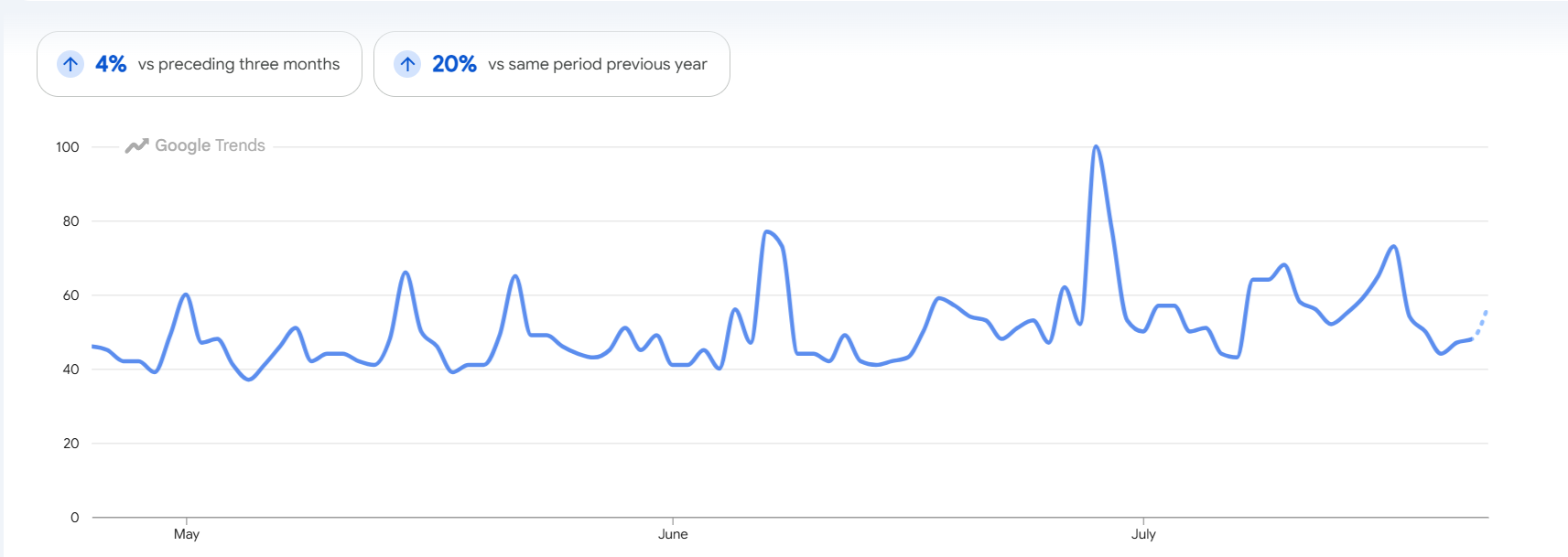
The decision to hold him back from the Rumble stage suggests a fear of an audience backlash toward a 'pushed' performer. Yet, the audience is currently more hungry for conviction than for balanced booking. As tracked in my analysis of recent demo trends, viewers are tuning out when narratives lack a clear, singular direction. You cannot build a generational star by putting him through the same repetitive 50-50 booking as the mid-card pack.
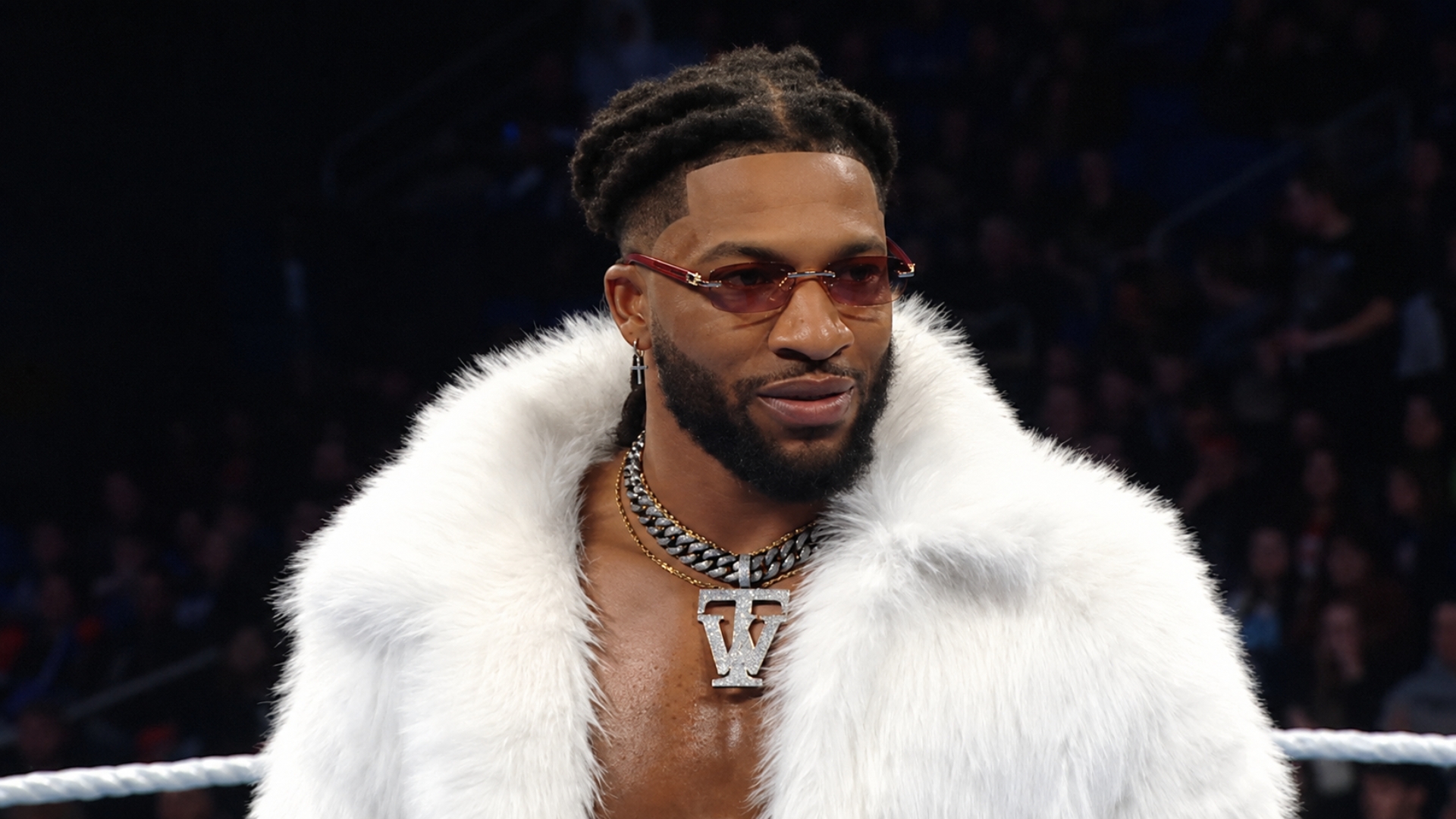
If he doesn't secure a definitive, clean victory in his next major outing, the damage to his aura may be permanent. His recent performances have been technically sound but tactically aimless, lacking the specific finishing sequences that made his early career so compelling. He is currently navigating a career trajectory that, as I previously noted when evaluating Trick Williams, requires a rejection of traditional promotional slowness in favor of aggressive, data-backed momentum.
Prediction
Breakker is at a crossroads. Expect him to pick up a win in his next television appearance, but look for it to be a scrappy, labor-intensive affair rather than the clinical dissection he needs to re-establish his standing. Until the booking department stops treating him like a projects-in-progress and starts booking him like a main eventer, the 0.62 demo rating will continue to fluctuate without a true anchor. I suspect we see a heel turn by the end of the quarter to reset the narrative, whether the creative team realizes it's necessary or not.