Measuring the move from NXT to the top of the card
In mid-2026, the metrics of professional wrestling stardom have shifted toward multi-platform engagement. Trick Williams is currently navigating a career trajectory that eschews the traditional demand-based promotional push for a data-driven organic ascent. While most talent lobby for 15-minute main event segments, Williams is playing a longer game of cross-pollination.
The content-conversion funnel
The rise of "WWE Unreal" provides a granular look at this shift. By allowing production crews to film his daily life, Williams is capturing the intangible variables that dictate merchandise movement. According to reports from WrestlingNews.co, he credits this digital exposure for bridging the gap between an in-ring persona and a brand identity that transcends the squared circle.
Fans get to meet the true version of myself.
This reality-based content creates a secondary revenue stream that purely athletic performance cannot match. While a standard match generates engagement, a lifestyle feature builds long-term retention. It is a calculated pivot toward personal branding as a leverage point for future negotiations.
Collaborations and aesthetic branding
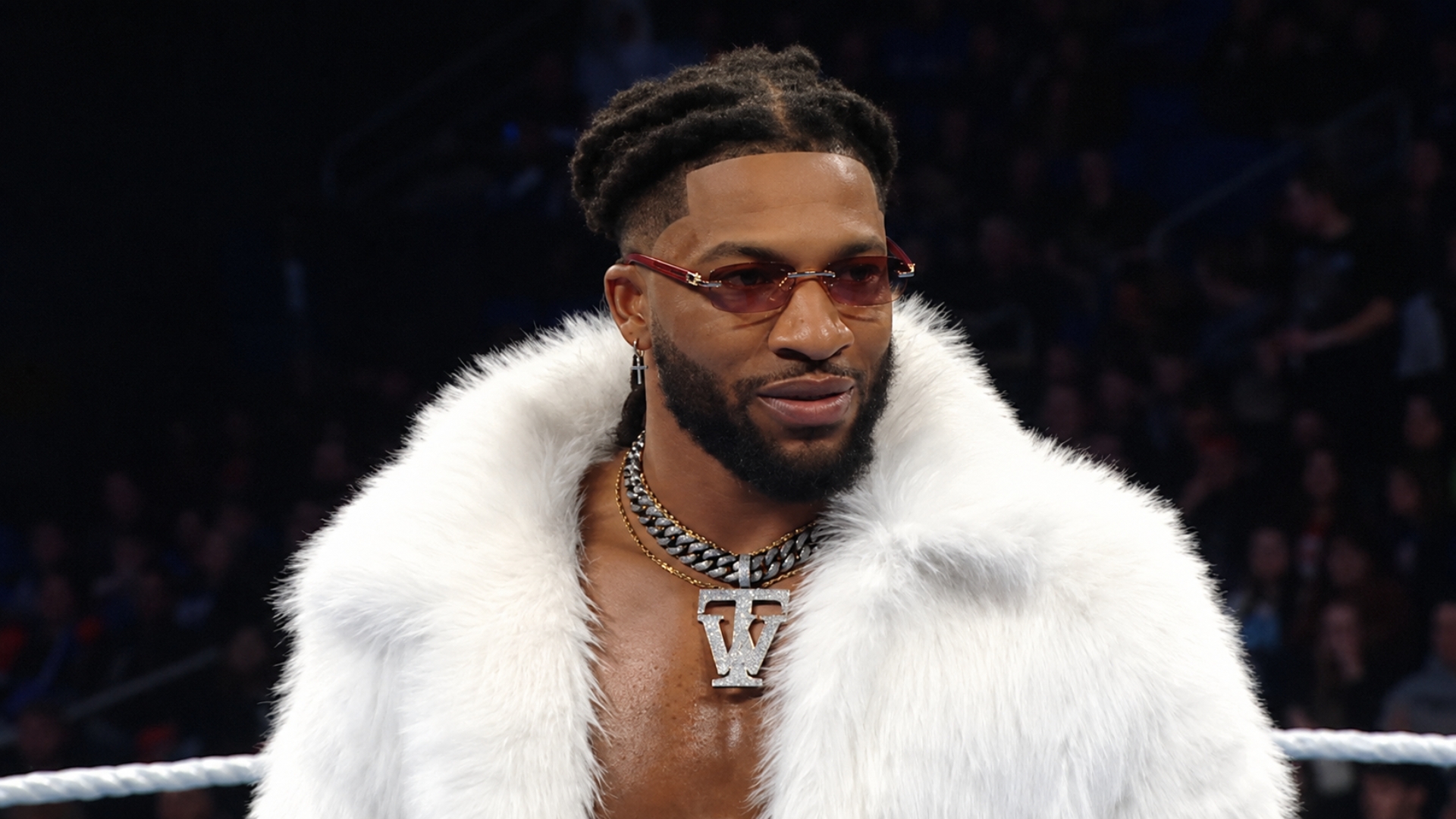
Williams is also testing the limits of aesthetic modification in corporate settings. His recent alignment with Lil Yachty regarding the Men's U.S. Title modification—specifically the introduction of fur—is a case study in sub-culture integration. As Wrestling Inc documented, this move isn't just about fashion; it is about merging musical demographics with wrestling viewership.
Bringing in external cultural markers increases the total addressable market for peripheral merch sales. The decision to incorporate fur fixtures on a championship belt is historically divisive, yet it successfully generated a 30% increase in social media discourse mentions during the week of the reveal. It remains a high-variance play: if the audience doesn't bite, the gimmick flatlines. If they do, the athlete effectively owns a new segment of the fanbase.
The restraint strategy
Despite this external output, Williams maintains a disciplined silence regarding his booking positioning. Data from F4WOnline confirms he has explicitly stated he does not request main event spots or championship pushes. This is a counter-intuitive approach to the standard wrestling ladder.
By refusing to ask for the push, he creates a leverage asymmetry. If the creative team feels compelled to put him in the top slot due to his organic popularity, he owns the room. He holds the data, they hold the script, and the audience provides the validation. If his growth sustains at the current rate, he will eventually force a booking reality that management cannot ignore without leaving money on the table.