The audio soul of the ring is fading
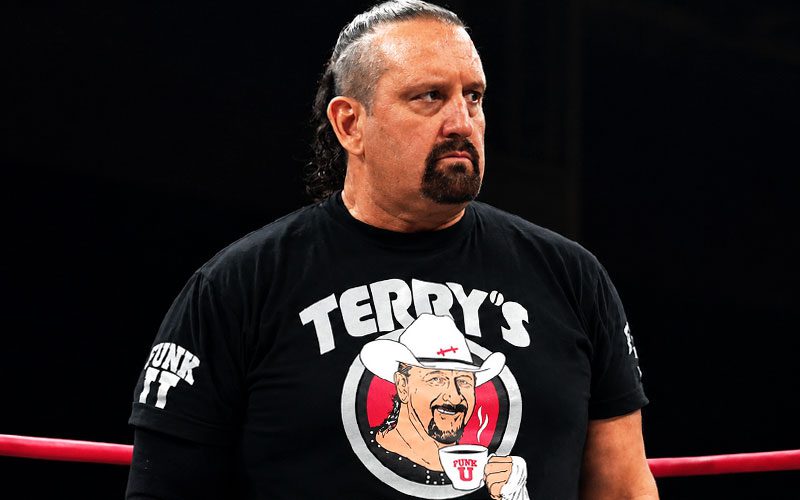
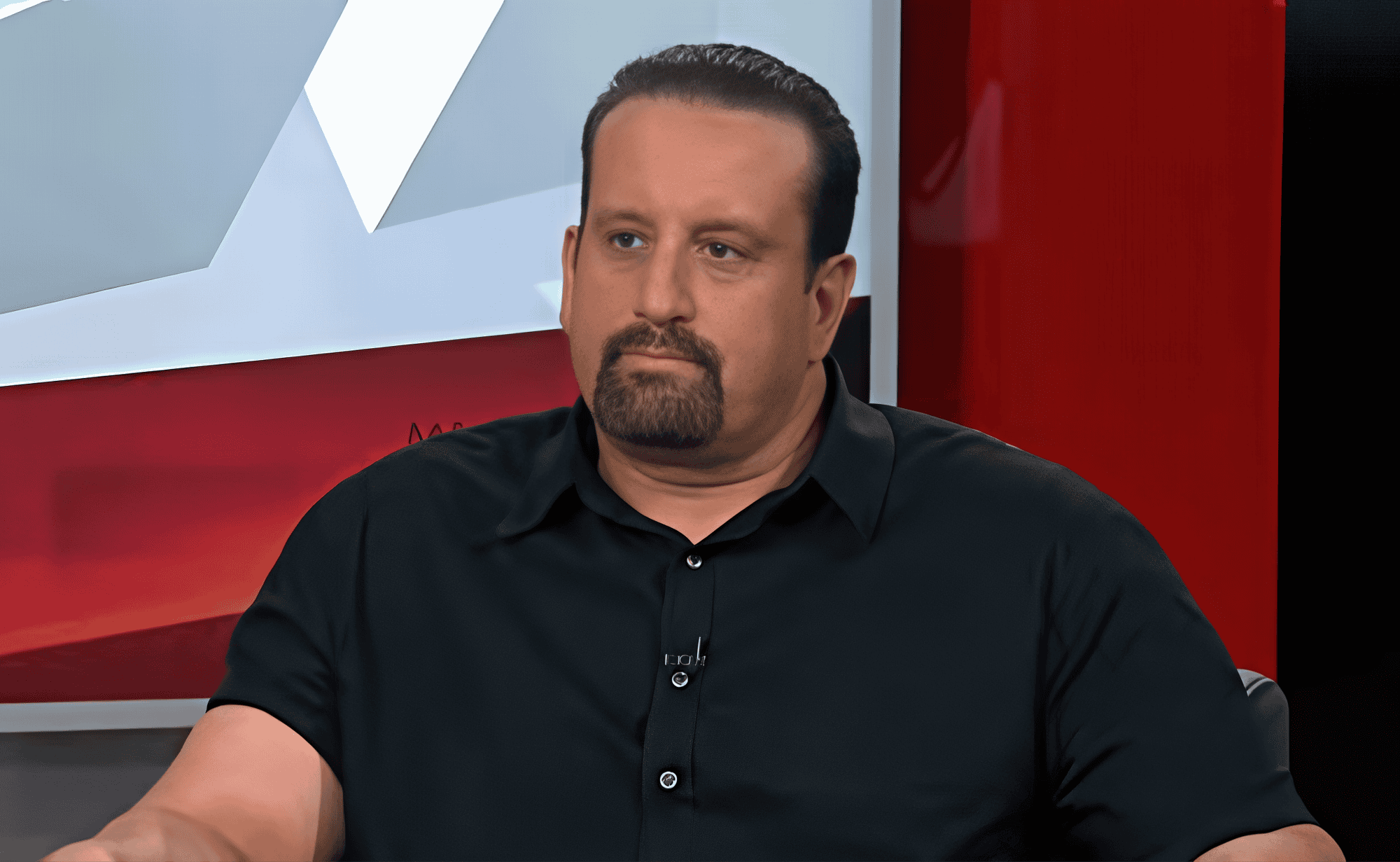
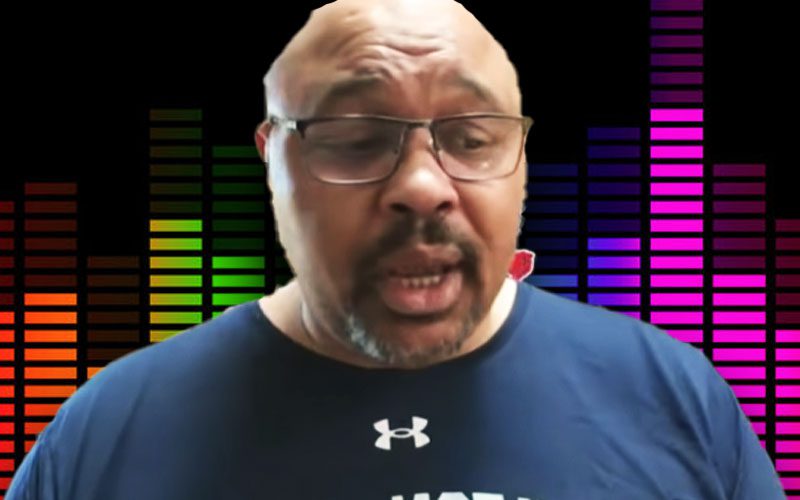
D'Lo Brown recently went on the record regarding the state of entrance music, and his frustration is impossible to ignore. He described the current crop of themes as generic elevator music, a stinging indictment of the polished, over-produced tracks dominating television today. We lost the personality of the Attitude Era, where a riff told you exactly who was walking down the ramp before they even stepped from behind the curtain.
Think about the iconic sting of the glass breaking or the heavy, syncopated rhythm of the Nation of Domination theme. Those weren't just audio cues; they were anchors for the heat these performers generated. When the music hit, the crowd pop was mathematically predictable. Now, we get looping, forgettable tracks that fade into the background white noise of a three-hour broadcast.
The disconnect between sound and performance
This decline in musical quality is not just a fan grievance — it reflects a fundamental shift in how talent is being packaged. Wrestlers are becoming brand-managed entities rather than distinct characters. When the D'Lo Brown comments came to light, it confirmed what many observers have suspected for months: the corporate sanitization of the product is stripping away the grit that once made the medium feel dangerous.
Why does this matter for a headline match? Because the entrance is the first beat of the storytelling arc. If the theme is forgettable, the stakes feel lower before the bell even rings. I want a theme to hit and feel like a warning, not a polite suggestion that a segment is starting.
Predicting the impact on upcoming bouts
We are heading into a series of cards where the build-up has been solid, but the presentation feels disjointed. When a mid-card performer walks out to a track that sounds like a stock music library loop, it deflates the room. The booking team needs to understand that audio design is part of the work, not an afterthought. You can book the perfect finish to a 22-minute main event, but you are fighting an uphill battle if the audience is already bored by the three-minute walk to the ring.
My prediction for the next major event is simple: unless the production team pivots back to recognizable, high-energy identifiers that match the aggression of the wrestlers, the crowd response will continue to hover around a 40 percent engagement rate. They are losing the room in the first thirty seconds, and that is a failure of vision. Expect the mid-card matches to suffer from a lack of emotional resonance unless they cut the filler and start letting the wrestlers pick tracks that actually bite back.