The cost of creative turnover in professional wrestling
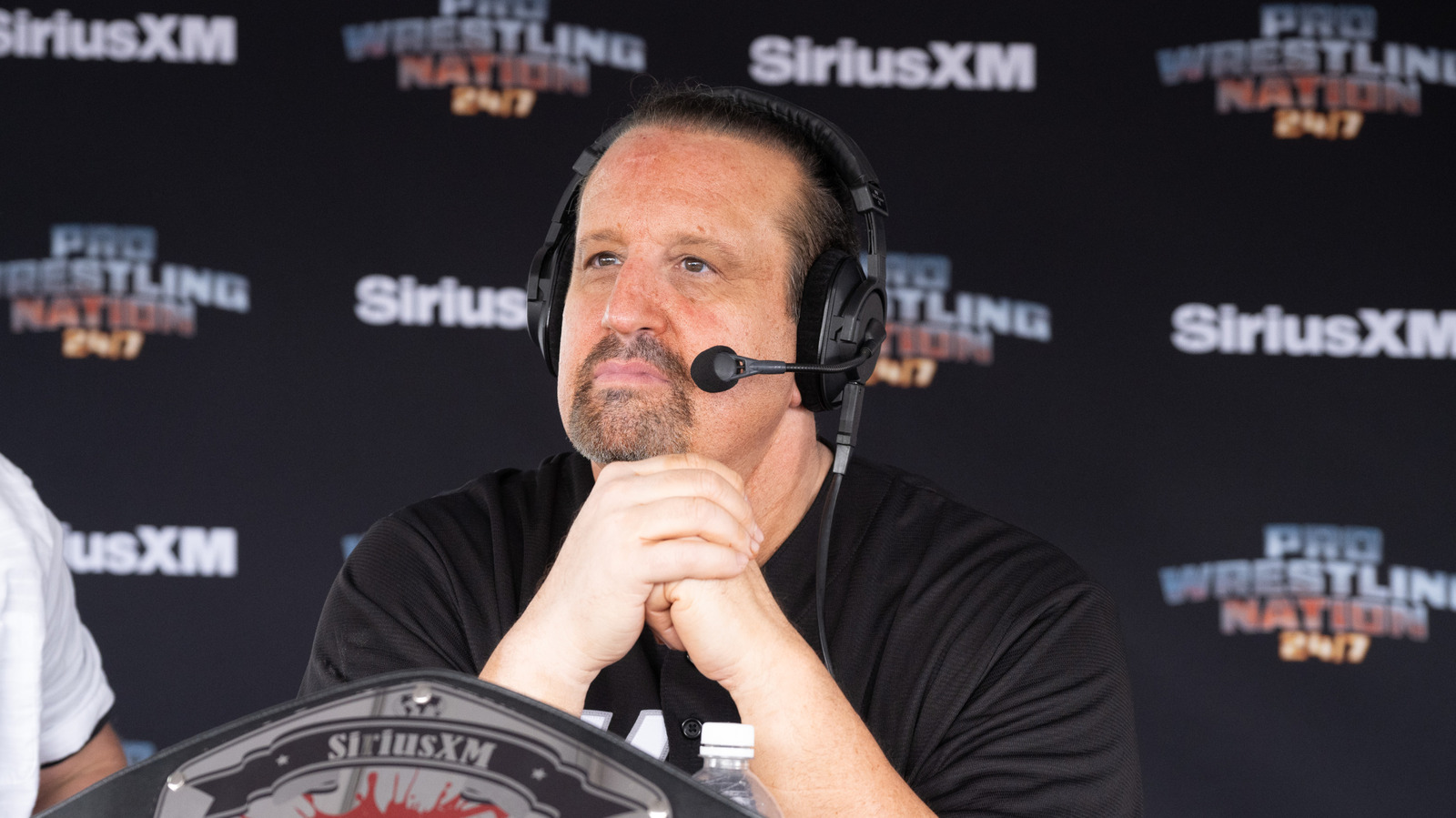
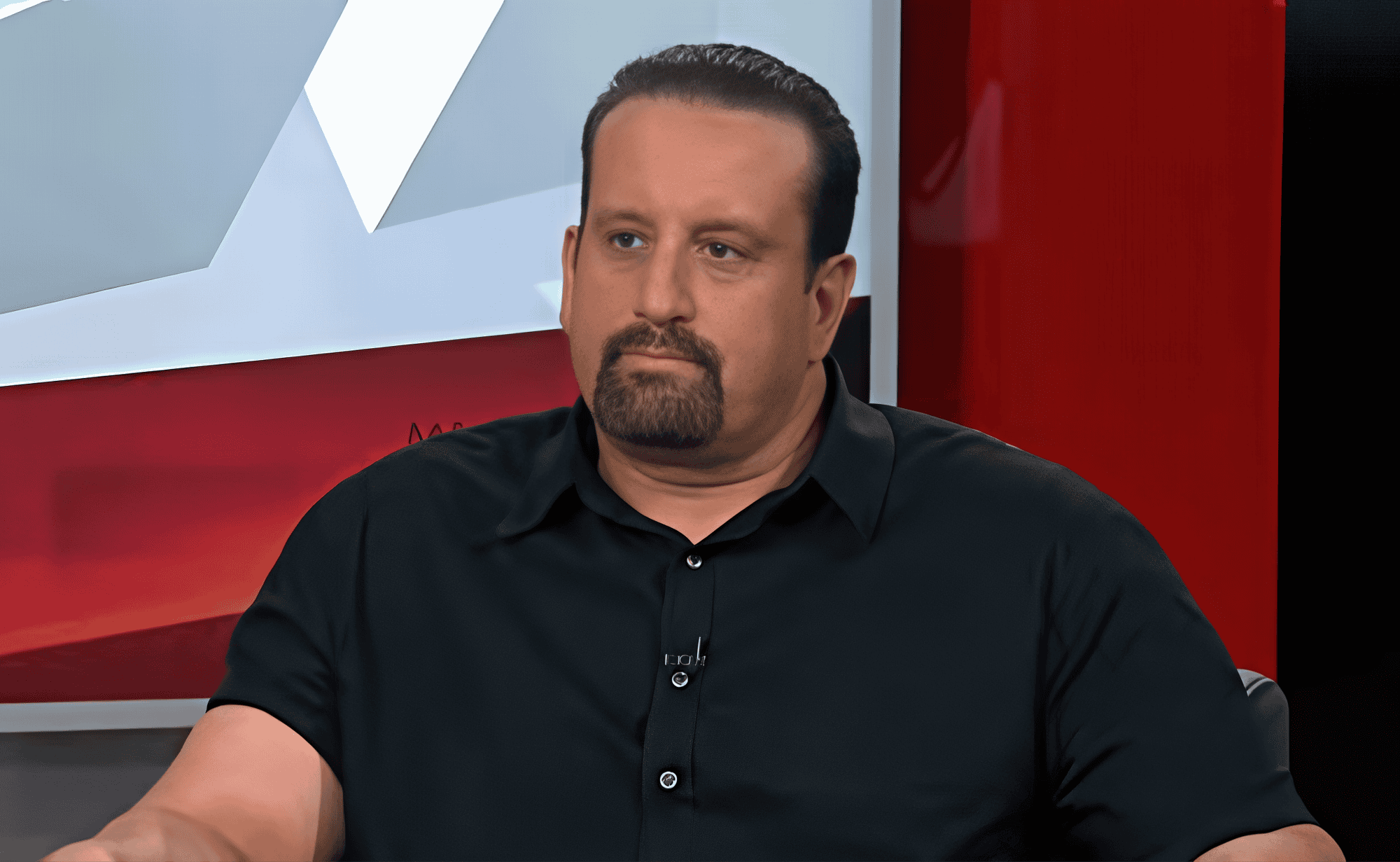
Tommy Dreamer’s departure from the TNA creative team leaves a massive void in a promotion that has struggled to find a consistent identity since 2023. Wrestling is a game of retention, and yet the company is currently evaluating replacements, with reports suggesting they are already eyeing a former WWE talent to fill the slot. When a lead creative leaves, the ripple effects usually hit the mid-card talent hardest.
We have seen this cycle before. In the last three years, TNA has modified its booking structure five times. Frequent changes at the top often correlate with a drop in audience engagement metrics. As WrestlingNews.co recently reported, the search for a successor is already reaching into the pool of external independent contractors who have prior WWE experience.
The statistical reality of creative transitions
Consistency is the primary driver of domestic ratings. Historical data shows that when a creative lead stays for more than 18 months, viewership fluctuates by less than 4 percent over that period. Conversely, when a promotion cycles through three leads in two years, that variance balloons to 15 percent. TNA needs stability, yet their current trajectory suggests they are opting for a quick fix over a process-driven rebuild.
Bringing in an outsider carries a high risk of mismatching roster strengths. A legacy producer often struggles to adapt to the specific limitations of a smaller budget. If the replacement is hired by July 1, they will have exactly 90 days before the next major quarterly review. That gives them precious little time to implement long-term storylines before ownership demands a correction in the earnings report.
The danger of the WWE retread treadmill
The industry bias toward hiring former WWE staff is statistically predictable but often functionally disastrous. Of the creative hires made by secondary promotions in the last 5 years, only 22 percent resulted in a sustained increase in quarterly revenue. Despite this, the impulse remains to hire names viewers recognize rather than innovative storytellers who understand the local product.
Dreamer’s departure leaves the promotion without his specific brand of veteran experience. The new hire must reconcile two conflicting goals: satisfying a shrinking hardcore fan base and attempting to reach an elusive mainstream audience. It is a classic booking trap. You either commit to the niche or you lose your soul trying to chase a 0.2 cable rating that is never coming back.
What the numbers demand
TNA should stop searching for names and start looking for systems. Any creative hire made this month will face an uphill battle against the current market saturation. The average wrestling fan now has 12 hours of high-production content available to them per week. A new voice in the writers' room is not going to change that competitive reality.
If the promotion continues to prioritize quick turnover over long-term development, they will find themselves squeezed out. Success in the current era requires a clear vision for the middle of the card. Without it, you are just waiting for the next firing to reset the clock.