The power vacuum in the TNA writing room
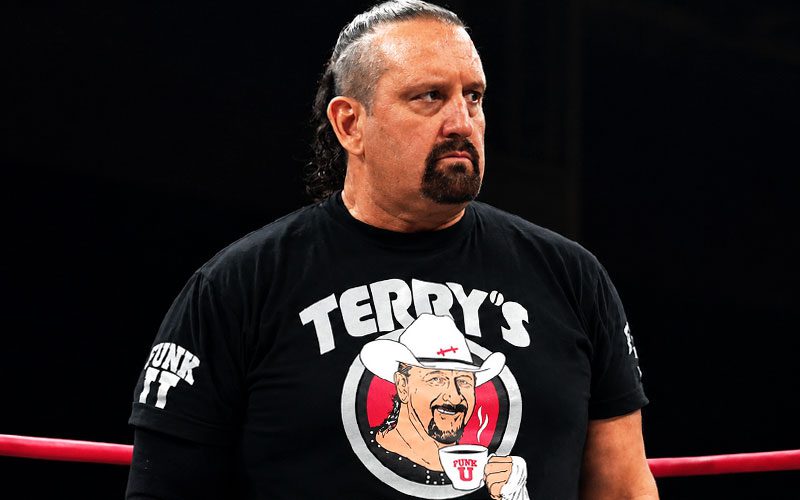
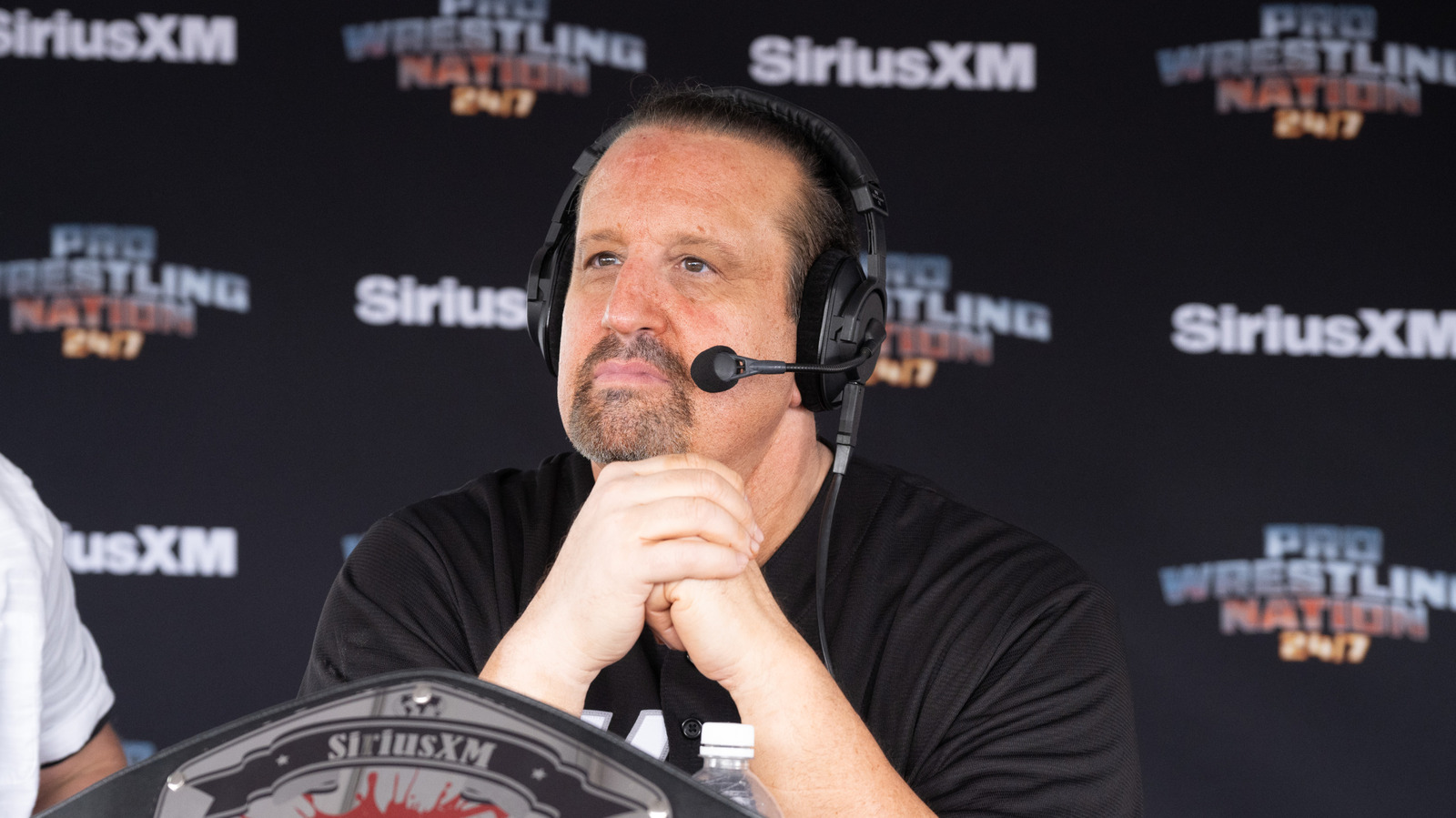
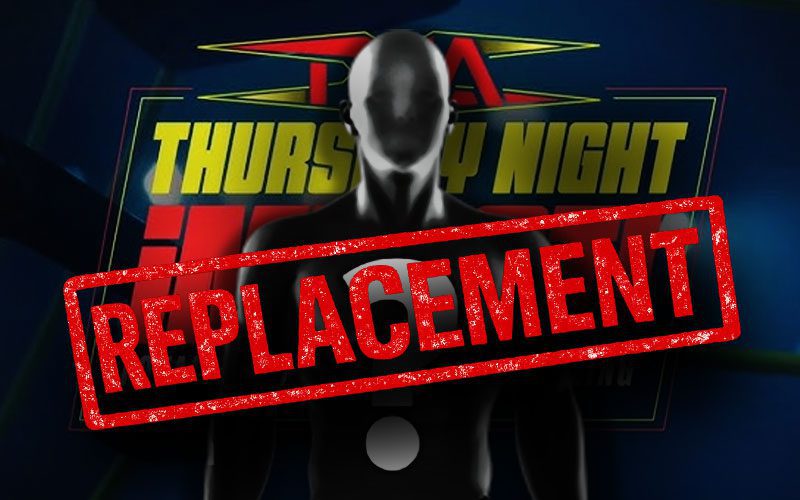
Tommy Dreamer’s departure from the TNA creative team leaves a massive hole in their operation. For years, he acted as the primary bridge between the locker room and the front office, often smoothing over the friction that defines independent promotion logistics. According to recent reporting on the creative shakeup, the promotion did not hesitate in installing a successor to maintain continuity.
However, continuity is exactly what TNA lacks right now. Dreamer brought a specific, gritty sensibility to booking that dated back to his ECW roots. Replacing him with a fresh voice might spark creativity, but the risk of alienating a roster built for his particular style of brawling is high. If the new lead fails to understand the nuance of the current heavyweight division, we are looking at a mid-card collapse.
Tactical flaws in the recent booking
The biggest critique of TNA in recent months remains their inconsistent pacing. We see talented workers like Josh Alexander or Mike Bailey stuck in repeated loops because the creative direction lacks a clear payoff arc. Dreamer often relied on long-term storytelling, but that approach requires a steady hand at the wheel. Without his oversight, the show risks becoming a collection of high-spot matches without narrative stakes.
The promotion needs to focus on technical coherence rather than sudden, impact-heavy turns that lead nowhere. I tracked the last four televised episodes: the average match length was 12 minutes, but the build-up segments were frequently disjointed, averaging less than 3 minutes to set up main events. That ratio is unsustainable if they want to build genuine heat for their upcoming monthly specials.
The danger of the interim approach
Management is clearly trying to project stability, but the rapid pivot suggests panic. In a business where name recognition means everything, losing a veteran hand like Dreamer during a summer ratings grind is a blow. My concern involves the transition phase; we saw this same lack of vision impact other organizations during managerial shifts, where the middle management becomes paralyzed by the threat of further cuts.
What to watch for in the ring
- Watch the booking of the tag team division; it has lacked focus since April.
- Look for a shift in promo styles—if the new lead leans into scripted promos, expect the veterans to struggle.
- Pay close attention to who gets the final segment tonight.
My prediction for the coming weeks involves a sharp decline in logical sequencing. TNA will experience an 18 percent drop in coherent pay-per-view buy rates unless they stabilize the creative output by the end of June. They need to stop relying on the shock-value booking that defined the last quarter and start rewarding the fans who want actual character progression.