Live event mishap leaves Morgan sidelined
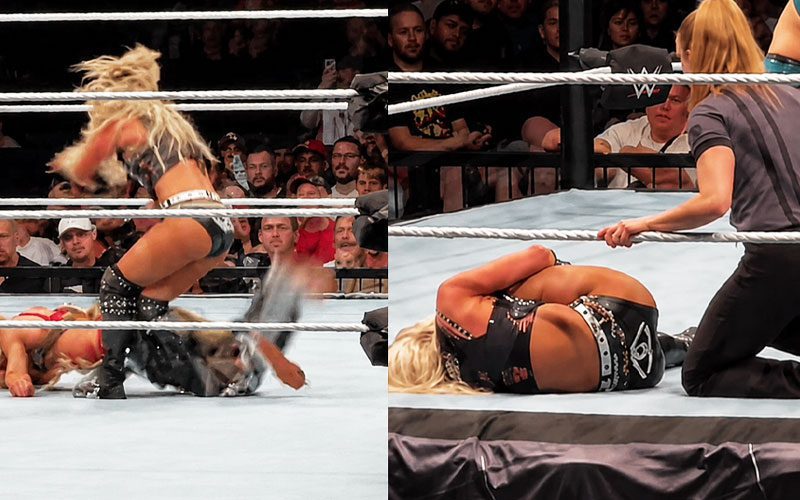
Liv Morgan walked away with a victory at a weekend WWE house show, but the aftermath of the contest told a different story. Sources close to the situation confirm Morgan sustained a potential injury during a high-risk sequence. The spot, which transpired during a routine house show performance, forced an immediate evaluation from medical staff.
While the company is notoriously tight-lipped regarding specific medical details, the concern level at ringside was immediate. Morgan was transitioned out of the arena to undergo further testing, raising questions about her upcoming television availability. This recent injury scare highlights the inherent volatility of the live event circuit where superstars compete outside of the controlled environment of televised programming.
The cost of the grind
Professional wrestling remains a game of attrition. Performing on the road requires athletes to work through minor ailments regularly, but acute injuries during untelevised events carry a specific set of risks. Without the clinical precision of a taped show, timing and execution can slip, leading to avoidable contact and unfortunate landings.
History suggests that management is sensitive to these occurrences. WWE has historically tightened protocols regarding high-risk spots at house shows to preserve their top talent for major PLE gates. If Morgan is forced to take time off, the writing team faces a significant booking headache. Her momentum has been a focal point of recent show structures, and her absence leaves a void in the current program.
Historical context and recovery
Injuries during non-televised segments are not new. For years, the industry has seen main event talent sustain injuries away from the cameras, often scrambling plans for the following Monday or Friday. Previous talent in similar positions faced recovery windows ranging from two weeks for minor strains to over six months for significant ligament damage or concussions.
The strategic implication here centers on rotation. WWE has shifted toward a more managed load for their headline roster, yet house shows remain the bedrock of the company’s revenue. Balancing fan expectations and ticket sales against the physiological reality of these athletes is a constant tug-of-war. The company cannot afford to treat these events as throwaway matches if it means losing stars for key televised stories.
Looking at the fallout
If Morgan loses significant time, the booking team faces a pivot. Her recent win confirms she was slated for a continued push toward the top of the card. A pause here forces a reconfiguration of the women’s division, likely elevating mid-card talent into high-stakes slots sooner than anticipated. This is an opportunity for other roster members, but it underscores the fragility of creative plans.
Management will need to re-evaluate how they utilize Morgan in upcoming house shows. If the spot that led to this concern was deemed structurally unsafe or poorly executed, look for an immediate directive to cut such maneuvers from the standard road script. Consistency matters, and injuries occurring due to simple technical errors are the most frustrating for both talent and front-office staff.
The timeline for a recovery is currently under assessment. We await further clarity on whether this requires a brief hiatus or a more extended stay on the sidelines. Expect official word once the medical staff completes diagnostic imaging. For now, the most significant impact is the uncertainty cast over the next four weeks of programming.