A Somber Note On The Road To Vegas
The wrestling industry does not pause for grief. It is a relentless, unforgiving television machine that churns out content 52 weeks a year, regardless of the human toll exacted behind the curtain.
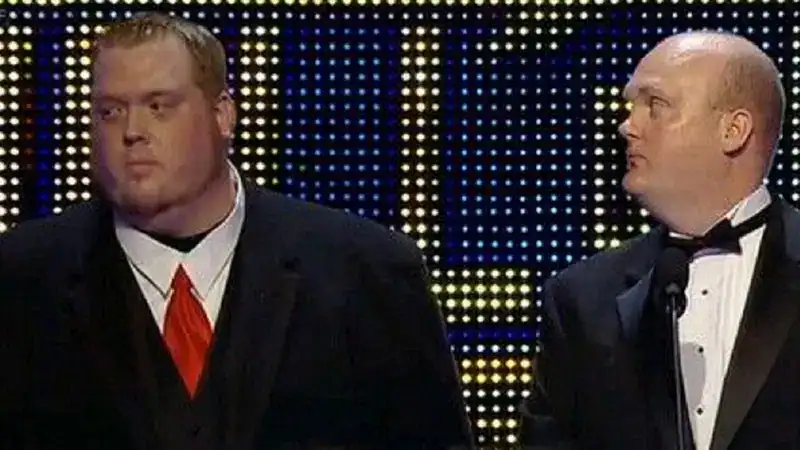
This week, the community received deeply heavy news. Daniel Moody, known to fans on the independent wrestling circuit as DJ Pringle, has passed away.
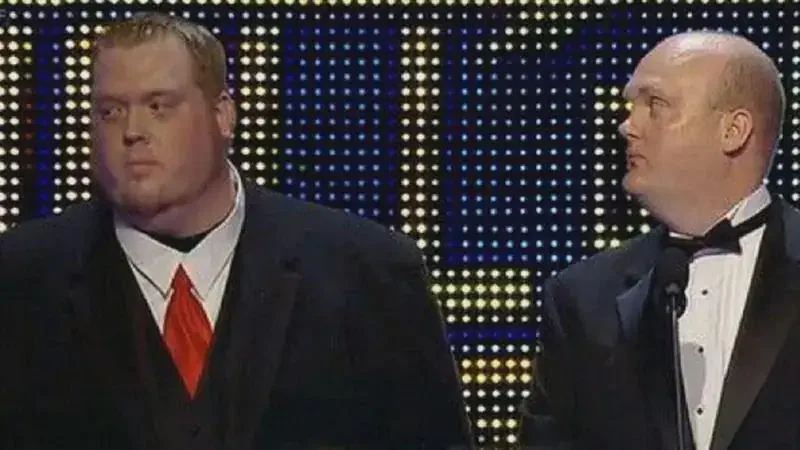
He was the son of WWE Hall of Famer William Moody, immortalized in the annals of wrestling history as Paul Bearer. While the mainstream wrestling world prepares for the corporate glitz and massive stadium spectacle of WrestleMania 41 in Las Vegas, Daniel's passing serves as a stark, sobering reminder of the grueling reality of this business.
Daniel did not chase the sterile, heavily produced environment of the modern performance center. Instead, he ground it out on the independent scene. He worked as both a manager and a wrestler, paying direct homage to his father's early territorial roots in Texas and Florida.
He embraced the dark arts of ringside psychology. It is a nuanced, difficult skill that is desperately missing from today's heavily scripted television product.
When you adopt a legendary moniker, the expectations immediately skyrocket. Fans expect the same cadence, the exact same facial expressions, and the identical generational talent.
It is an almost impossible standard to meet, yet Daniel stepped into that shadow willingly. He understood that wrestling existed long before national television deals.
The Tactical Void Of The Modern Manager
Looking at the current WWE and AEW rosters, the absence of traditional managers is a massive, glaring booking flaw. Daniel Moody understood that a highly effective manager dictates the entire pace of a match from the floor.
They draw the heat, manipulate the referee, and allow the monstrous heel to simply exist without exposing their limitations on the microphone. Today, major promotions force nearly every silent powerhouse to cut a 15-minute in-ring monologue.
It completely exposes their weaknesses and kills their mystique. If WWE currently employed five managers with half the timing and psychological understanding of Percy Pringle III, they would not have to rely so heavily on aging nostalgia acts.
We witnessed the absolute pinnacle of the managerial art form when Paul Bearer guided The Undertaker and Kane through the late 1990s. It was never about shouting the loudest. It was about knowing precisely when to raise the urn to pop the crowd.
It was about timing a distraction so perfectly that the audience never questioned the referee's incompetence. Most importantly, it was about knowing exactly when and how to take a physical bump.
A manager's ultimate tactical purpose is to be physically dismantled by the babyface to send the crowd home happy. Daniel's work on the independent scene tried to keep that old-school, traditional psychology alive in front of cynical modern crowds.
His passing is a profound loss for a family that has already endured far too much tragedy over the last decade.
The Bloodline Fatigue And Cody's Challenge
As we pivot our focus back to the television product, the reality of April 19 and 20 looms large over the industry. WrestleMania 41 is merely weeks away, and the main event booking is showing severe signs of structural strain.
The Bloodline storyline, specifically surrounding Roman Reigns and his fractured family, has officially reached a point of diminishing returns. The pacing has slowed to an absolute crawl. We are watching the exact same tactical beats repeat themselves month after month.
The referee bumps and interference spots are no longer generating surprise. They are actively generating audience fatigue.
Cody Rhodes defends the WWE Championship on Night 2, and the tactical challenge presented to the agents laying out this match is massive. How do you construct a main event that definitively avoids the overbooked, chaotic nonsense of the past three years?
Rhodes operates best as a traditional, fired-up babyface. He needs a clean, psychologically sound wrestling match. If WWE resorts to another 20-minute parade of run-ins, superkicks, and weapon shots, it will severely undercut the legitimacy of his title reign.
They need to strip the match down to its core components. Lock up, fight for control, target a body part, and build to a clean finish.
Analyzing Cena's Farewell Mechanics
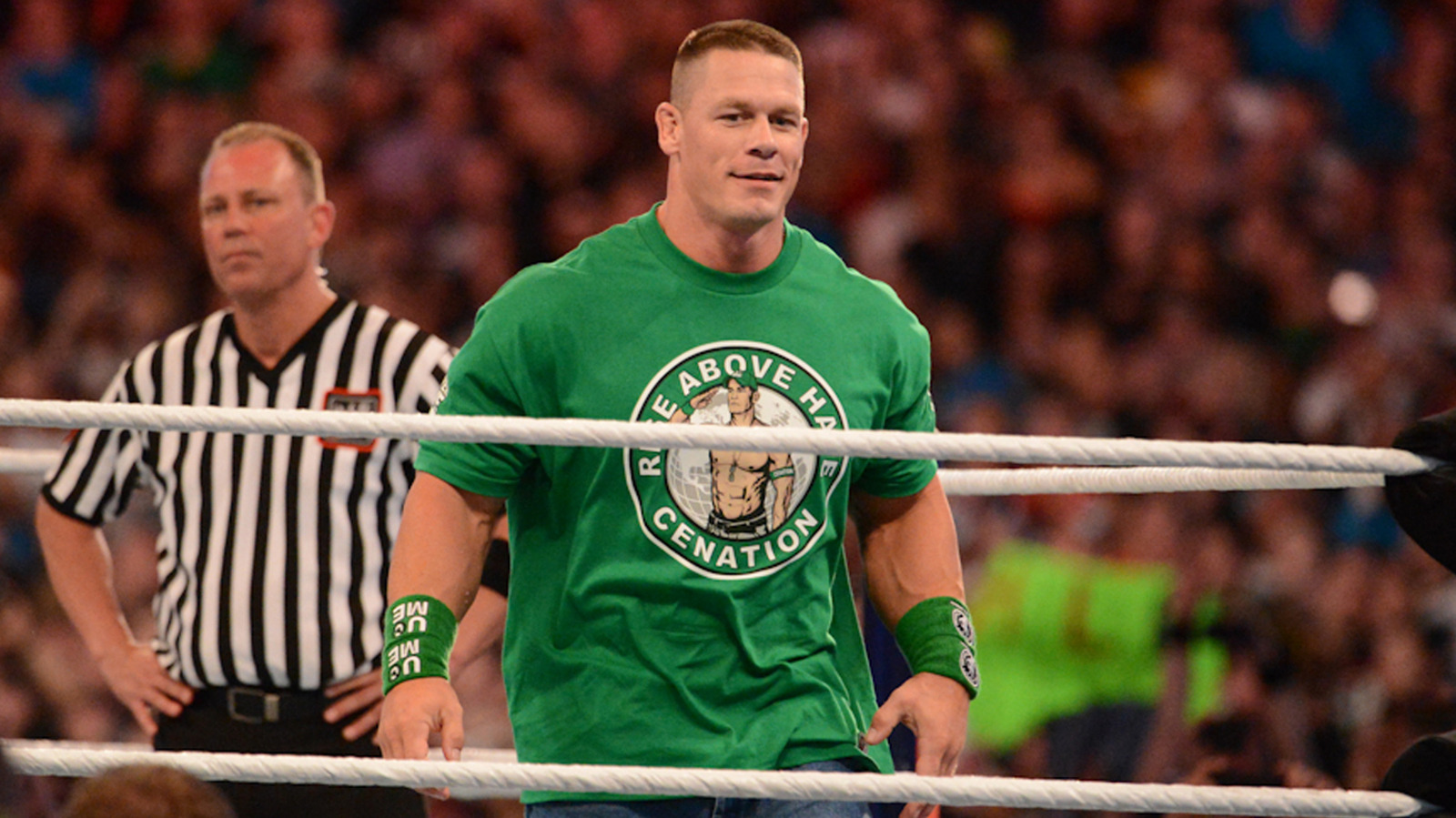
Night 1 features the emotional anchor of the entire weekend. John Cena's final farewell match.
From a strictly tactical perspective, booking a retirement match is an absolute nightmare for the producers. The opponent has to carry the vast majority of the physical load while simultaneously allowing Cena to hit his signature sequences.
They must do this without exposing Cena's noticeably diminished ring speed and lack of lateral movement. Cena is simply not the elite athlete he was in 2015 during his legendary United States Championship open challenge run.
His recent appearances have shown a stark decline in his lifting strength and cardio recovery. Therefore, the match layout must rely entirely on smoke, mirrors, and raw audience emotion.
WWE cannot put him in a 25-minute chain wrestling clinic. It would be a disaster. They need a highly structured 12-minute sprint focused heavily on crowd interaction, brawling on the outside, and dramatic near-falls.
If they attempt to stretch the runtime past 15 minutes, the live crowd will begin to turn on the match. The opponent must dictate the pace completely, bump heavily and safely for the shoulder blocks, and ultimately take the clean loss.
Alternatively, Cena does the time-honored tradition of going out on his back, putting over the younger talent cleanly in the middle of the ring. My firm prediction? Cena loses. He understands the mechanics of the business too well to win his final bout.
CM Punk's Tactical Tightrope
Also heavily slotted for Night 1 is CM Punk. His latest return run has been heavily scrutinized by analysts, and rightfully so.
Punk's body has failed him multiple times over the last three years. The form guide on him is completely erratic and deeply concerning. When he is completely healthy, his ring psychology remains absolutely elite.
He knows exactly how to work over a localized limb, how to tell a coherent, logical story, and how to maximize minimal movement to conserve energy. But the severe injury risk hangs over every single bump he takes on the canvas.
His major match at Allegiant Stadium will be a fascinating tactical study in risk management. Expect a heavy reliance on complex submission holds and grounded striking sequences to protect his surgically repaired triceps and feet.
Punk simply cannot afford a sloppy, high-risk aerial match at this stage of his career. He needs a grounded, gritty, Memphis-style fight that relies entirely on his innate ability to sell pain and outsmart a younger, faster opponent.
If he tries to keep up with the workrate of the 25-year-olds on the roster, his body will betray him again.
The AEW Dynasty Problem
Before we even arrive in Las Vegas, the industry stops in Kansas City on March 30 for AEW Dynasty. AEW is facing its own set of distinct tactical issues heading into the spring schedule.
Their premium live events routinely suffer from bloated, exhausting runtimes and a complete lack of match variation. When every single bout on the card is structured as a 20-minute, high-workrate classic with multiple false finishes, absolutely nothing stands out.
They desperately need to learn the fundamental lesson that managers like Paul Bearer and independent workers like DJ Pringle understood implicitly. Pacing is everything in professional wrestling.
You absolutely need a five-minute, dominant squash match to make the 30-minute main event feel special and earned. If the match card in Kansas City does not feature clear emotional peaks and valleys, the live crowd will be completely exhausted by the time the semi-main event bell rings.
Tony Khan's tendency to book card-to-card sprints burns out the audience before the most important angles can play out.
The True Foundation
The next thirty days represent the most vital, financially significant stretch of the entire wrestling calendar. We are going to witness massive stadium shows, millions of dollars in pyrotechnics, and heavily produced career-defining moments.
But as we dissect the in-ring workrate, aggressively critique the creative booking, and argue loudly over championship reigns, we must maintain our perspective. The multi-billion dollar industry we consume is fundamentally built on the broken backs of men and women who will never see their names on the WrestleMania marquee.
Performers like Daniel Moody gave their literal lives to this bizarre, beautiful, brutal sport. They drove the endless highway miles for zero guaranteed money.
They took the unprotected bumps on hard wooden rings, and they fought desperately to keep the traditions of the territory days alive in small, poorly lit buildings across the country. Enjoy the massive spectacle of Las Vegas. Cheer for Cena's farewell and debate the Bloodline's collapse.
But take a moment to respect the gritty, unforgiving independent foundation that makes it all possible.
Read Next
- Why wrestling fans are tearing each other apart over the TKO corporate merger
- Wrestling Twitter is in a complete civil war over the next generation of stars
- Sami Zayn out of WrestleMania 41 with MCL tear as betting markets crash
- Oba Femi at MSG and the NXT ticket scramble has fans losing their minds
- 🏆 WrestleMania 41 — Full Coverage Hub