The locker room is sweating the travel itinerary
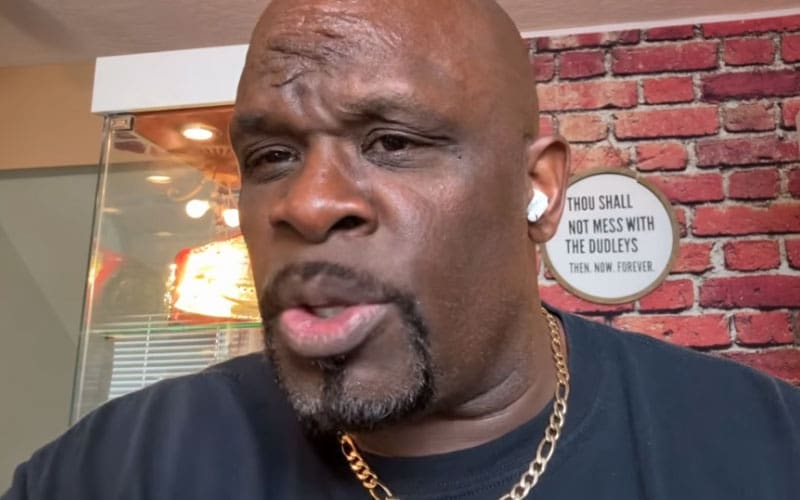
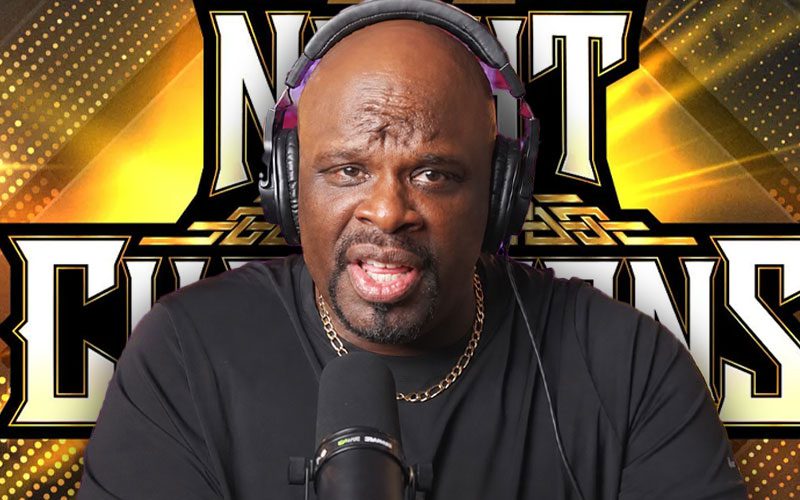
D-Von Dudley isn't backing down from his stance on the WWE calendar, specifically when it comes to the ongoing commitments in Saudi Arabia. He dropped a hot take recently that the risk-to-reward ratio for putting on Night of Champions in that region just isn't paying off when you factor in the current geopolitical volatility. It is not just a casual observation from a legend, but a pointed critique of the logistics that keep wrestlers up at night.
We have seen these kinds of international show debates flare up every single year since the deal was signed. It is the wrestling equivalent of a high-stakes standoff where the paycheck is massive but the anxiety is higher. D-Von is essentially telling the brass that even if the money is good, the potential for a nightmare scenario is sitting right there on the table. You can read more about his candid thoughts over at Ringside News.
The divide in the fan forums
The comment sections across the internet have turned into a toxic war zone over this. You have the business-first crowd who argue that WWE is a global brand and cannot just skip a massive market because of diplomatic tension. These folks love to point at the production value and the sheer spectacle of these shows as proof that the business sense justifies the risks. They operate under the logic that professional sports leagues are effectively neutral entities that should avoid taking sides in regional conflicts.
Then you have the skeptical contingent who think D-Von is the only one saying what needs to be said. They are tired of watching talented performers walk into high-temperature zones for the sake of quarterly earnings reports. These fans argue that safety should be the only metric that matters, and they are quick to post about the stress factors that come with overseas treks. It is a classic clash between pure capitalism and the human element in a business that already demands a heavy physical toll from its performers.
My take: Sentiment versus the bottom line
Let's cut the garbage. D-Von has seen decades of this business and knows exactly how much strain a company can put on its talent before it breaks. When a guy who has put his body through tables for 30 years says something isn't worth the risk, you better believe he is measuring that risk against the reality of a career-ending injury or a genuinely dangerous situation abroad. The fans calling him a distraction are missing the forest for the trees.
The argument that WWE is a global entity is objectively true, but that does not nullify the fact that they are essentially running a gauntlet to maintain these dates. If you look at the track record, booking shows that force performers into high-stress environments is a short-term gain that could lead to a massive PR disaster if things go sideways. One bad incident could wipe out all the goodwill earned from years of sold-out arenas. The risk isn't just about the money; it is about the long-term reputation of the product and the internal morale of the locker room.
Frankly, the corporate types are playing with fire. Unless the security guarantees are ironclad and bulletproof, they are relying on a massive amount of luck. You can claim the show must go on, but that is a luxury only available as long as nobody is actually in harm's way. If a real crisis hits, no amount of creative booking is going to fix the damage to the company’s image. It might be time to start thinking about domestic alternatives instead of banking everything on international expansion.
The reality is that we are in a transition period for WWE. With the constant changes in leadership and the push for growth, the pressure to deliver massive shows is hitting a peak. This isn't just about wrestling anymore. It is about how the company handles the intersection of global politics and entertainment. D-Von might eventually be looked at as the guy who sounded the alarm before anyone else had the guts to do it.
I will side with the veterans on this one. When the people actually climbing through the ropes are expressing concern about their safety, the suits in the boardrooms need to stop looking at spreadsheets and start listening to reality. Let the brand grow elsewhere until the situation is stabilized. There is no reason to risk a disaster when you have plenty of other ways to keep the momentum going without putting people in the line of fire.