The physical cost of the main event
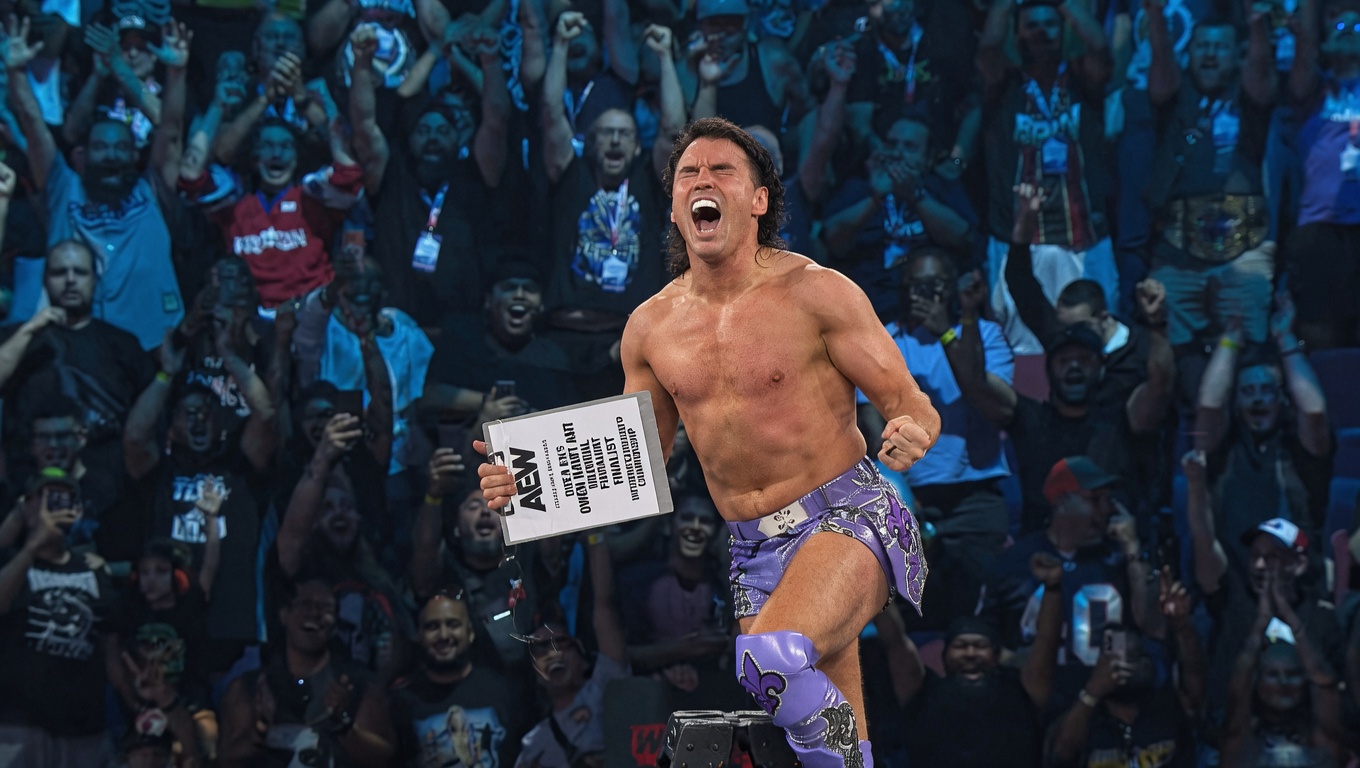
Professional wrestling does not offer breaks, but the human body eventually enforces them. The latest casualty of this reality is the AEW World Championship picture. Following the high-stakes intensity of recent pay-per-view events, an AEW World Champion has officially relinquished their title due to medical intervention, shedding light on the silent endurance often required in the industry.
Reports confirmed that the move to vacate the championship was not a creative pivot or a storyline bridge. It was a medical necessity. When a champion reaches the point of forced relinquishment, the injury is typically severe enough to prevent the standard high-impact workload required for television and touring schedules. This leaves a massive void in the upcoming AEW All In preparations.
Historical context of vacated gold
Injuries forcing title changes are a recurring nightmare for bookers. In the past, championship vacancies have served as the ultimate test of a promotion's depth. When a primary belt is pulled from circulation, the immediate fallout involves a scramble to re-align the main event bracket. While fans often speculate about cover-ups, history shows that most vacates stem from long-term wear and tear rather than a single specific bump.
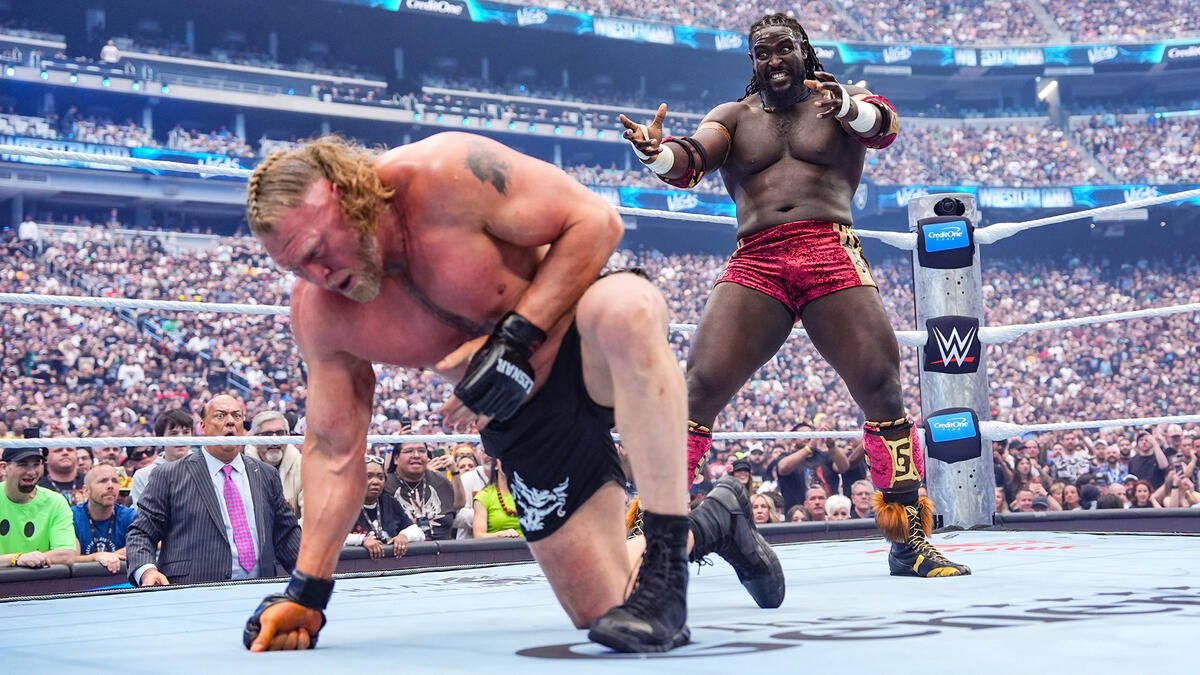
Pro-wrestling history is littered with champions who worked through the pain until they physically could not stand. The strategy of holding onto a belt while compromised often backfires, leading to diminished quality in the ring and an eventual, abrupt departure. Modern medical protocols in AEW and WWE have largely moved away from that approach, prioritizing recovery over the short-term optics of a champion on the shelf.
The transition of power is never tidy in this business. But when a title is relinquished, it validates the physical reality of the sport beyond the theater.
Strategic implications for the division
The absence of a defending champion creates immediate tension in the card. With AEW All In on the horizon, the pressure shifts to the undercard and the mid-card challengers to elevate their status. It is a harsh reality: one wrestler's period of rehab is the opportunity for another to climb the ladder, though it rarely feels like a fair trade-off for the talent sidelined.
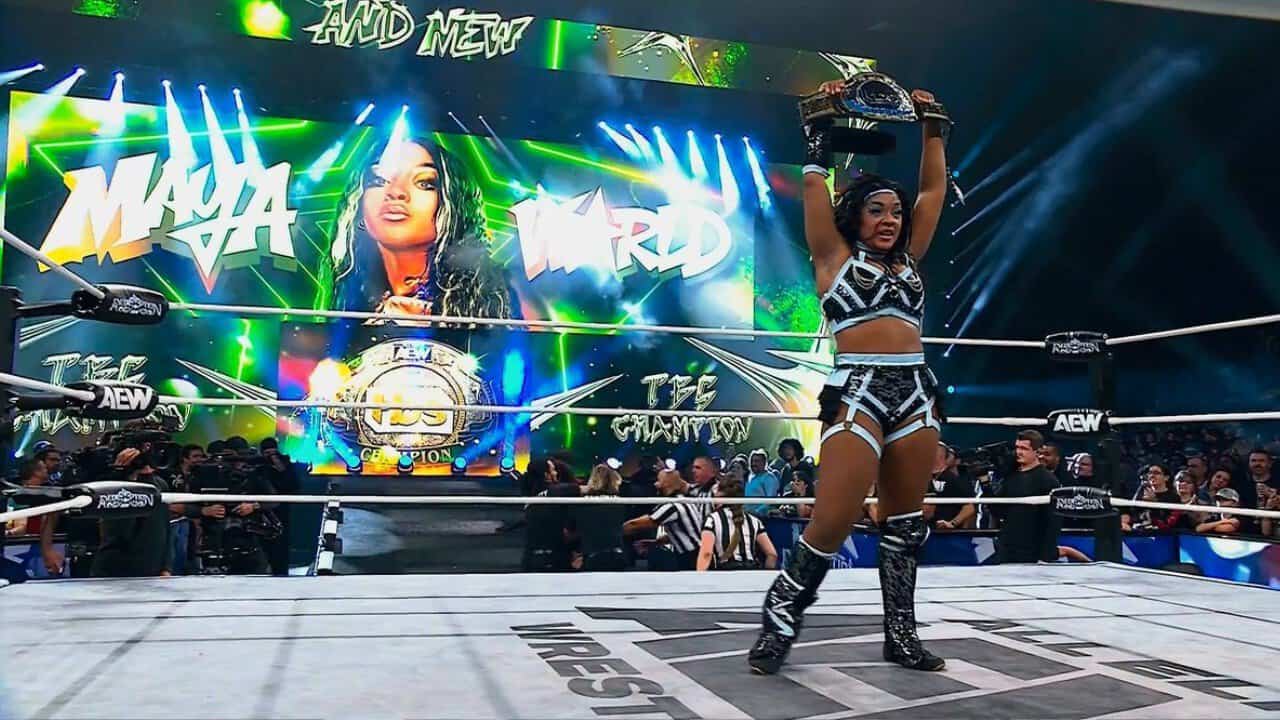
We saw at the recent AEW Redemption event exactly how volatile the standings can be. With Maya World securing the TBS title and Willow Nightingale taking the Women's World gold, the promotion is clearly willing to rotate the championship at the top of the card. The relinquishment of the men's world title only adds to the sense of unpredictability that define these major events.
The professional risk of the grind
A troubling trend persists across the industry. Whether it is the lack of title defenses seen in some quarters—like the criticism Liv Morgan faced during her recent milestone—or the constant wear placed on top-tier talent, balancing longevity with engagement remains the hardest part of the job. Asking wrestlers to hit 100-day or 200-day marks without giving them breathing room often results in the exact medical crises we are seeing now.
There is no benefit to hiding injuries behind the curtain. When a performer is forced to surrender a title, the transparency of the process is everything. If companies attempt to mask the severity of an injury, they only invite further scrutiny and confusion. The current medical landscape requires a shift toward more proactive maintenance of headliners, rather than waiting for them to reach a breaking point.
Final assessment
The upcoming London event will feel hollow without the presence of the primary belt holder. This is the danger of relying on the star power of a single individual. The company has to move fast to fill the vacancy, but the void left by a top-tier champion is rarely filled by a quick tournament or a sudden match card adjustment. The industry is currently paying a price for the intensity of the summer touring schedule.
Medical professionals in the space suggest that returning to the ring too early often leads to recurring issues in the same limb or joint. For the champion in question, the timeline is not just about the next show, but about the long-term career outlook. Rest and recovery, while frustrating for the fan base, are the only ways to ensure that the talent remains viable for the next decade of competition.