The physical toll on the American Nightmare
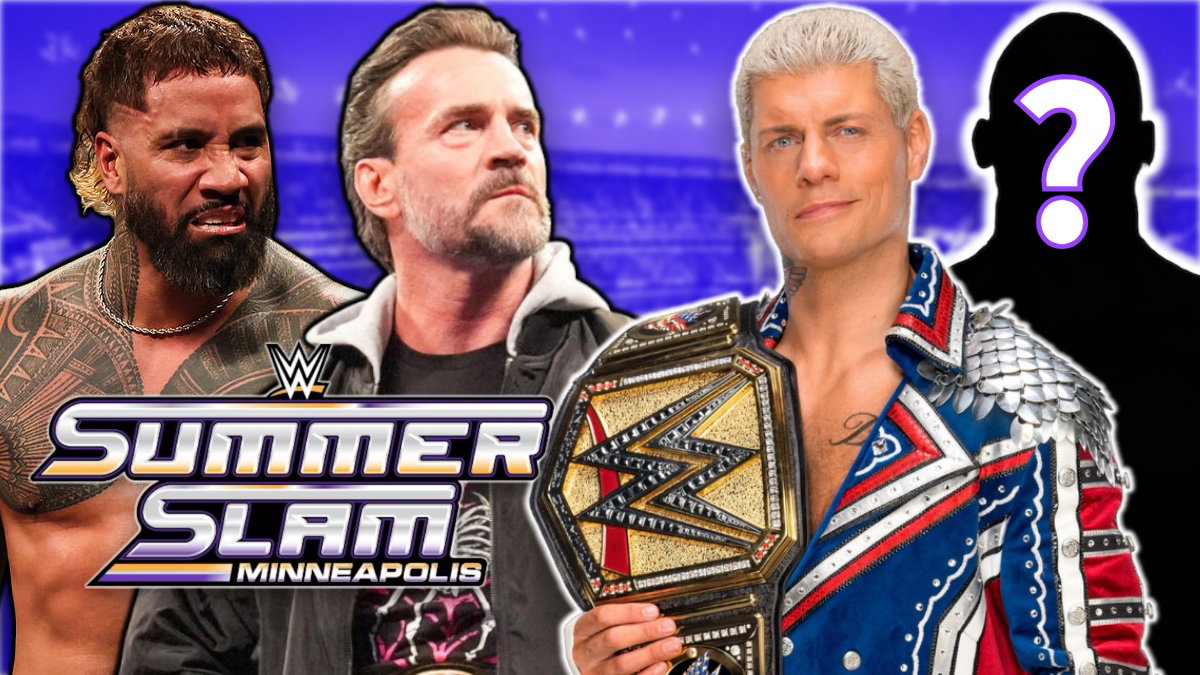
Cody Rhodes is currently operating on a restricted schedule following the discovery of a minor pectoral tear sustained during his recent title defense at King of the Ring. Medical staff are monitoring the inflammation closely as the road to SummerSlam 2026 hits its stride. Trainers have cleared him for non-contact television work, but high-impact maneuvers have been sidelined for the immediate future.
The current recovery plan focuses on intensive physical therapy to manage the structural integrity of the muscle. Rhodes has been strictly prohibited from performing weight-bearing chest exercises or heavy rotation lifts in the gym. If the injury progresses toward a full tear, surgery would be inevitable, forcing a complete vacation of the title. For now, the internal prognosis remains stable.
Strategic implications for the main event scene
Triple H and the creative team are balancing an increasingly delicate situation. The company has already penciled in an Undisputed WWE Championship match for the summer showcase, but the contingency planning has accelerated. Officials are reportedly weighing a transition to a triple-threat format to reduce the physical load on Rhodes during the bout.
Booking a title holder with a compromised limb is a gamble that carries significant financial risk. If the match quality dips because the champion cannot showcase his full move set, the marquee event of the season loses its luster. WWE has historically struggled to balance injury narratives with championship credibility, often resulting in uninspired booking where the champion spends the duration of the match protecting a singular body part.
Historical context and medical precedent
This situation echoes the 2022 Hell in a Cell environment where Rhodes famously competed with a fully detached pec. That performance, while legendary for its grit, resulted in over seven months of lost television time. Medical experts advise that repeating that level of exertion is unsustainable for a long-term champion, especially given the current density of the schedule.
Management has been vocal about wanting to move away from the 'tough guy' trope that keeps injured athletes in the ring. However, competitive pressure often overrides common sense at the top of the card. The reliance on one primary champion places an immense burden on the physical fitness of the performer, and this current crack in the armor suggests a flaw in the top-heavy booking strategy that has defined the last two years.
The upcoming summer schedule
Rhodes is expected to make limited appearances over the next four weeks, focusing on microphone work and intermittent ringside segments. He will not be taking physical bumps against primary contenders until at least two weeks prior to SummerSlam. This necessitates an shift toward tag-team matches where he can tag out to secondary performers to avoid contact.
Critics within the locker room have noted that current booking decisions seem to prioritize the date on the calendar over the athlete's recovery curve. Wrestling remains an industry where the show must go on, but relying on athletes to work through significant connective tissue issues is a strategy with a limited ceiling. Unless the medical team sees a marked reduction in bruising by July, the creative team will be forced into a difficult decision regarding the championship belt itself.
The industry standard for a minor tear of this nature is six to eight weeks for full-contact readiness. With SummerSlam rapidly approaching in mid-August, the margin for error is razor-thin. Failure to adhere to the recovery timeline puts the mid-summer pay-per-view main event in genuine jeopardy of being scrapped or fundamentally altered.
Read Next
- SummerSlam main event picture is lacking clarity
- Why a Cody Rhodes - Dustin Rhodes reunion in WWE is off the table
- Cody Rhodes is wielding his leverage in the smartest way possible
- Kendal Grey sidelined: How the NXT rising star's injury shifts booking plans
- 🏆 WrestleMania 41 — Full Coverage Hub
- 💥 WWE Backlash 2026 — Full Coverage Hub