The shadow of the Attitude Era
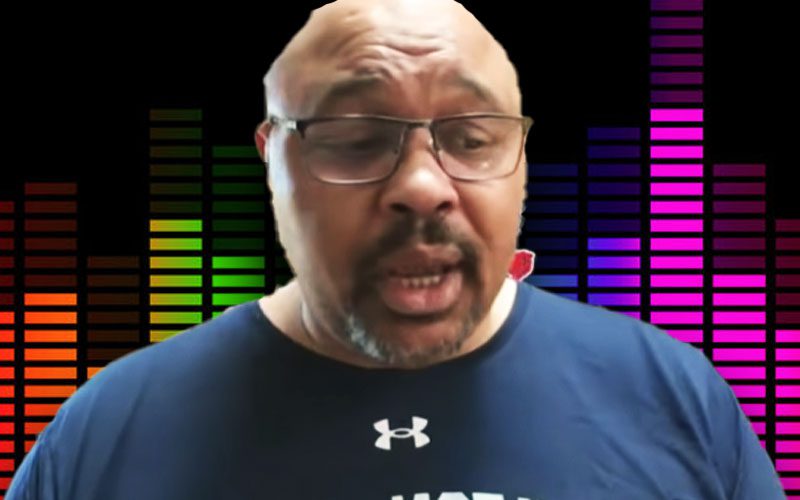
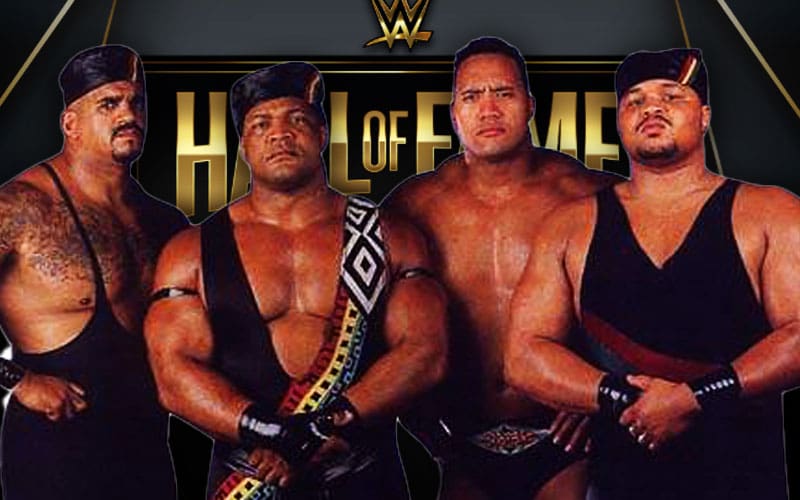
D'Lo Brown has been making headlines recently, and it is not because of a surprise in-ring return. Instead, he is dissecting the mechanics of an era that defined the industry. His recent campaign for the Nation of Domination to reach the WWE Hall of Fame forces us to re-evaluate the faction's footprint. We aren't just talking about a group that held mid-card titles. We are talking about the primary engine for the rise of the biggest star on the planet.
Brown’s commentary serves as a reminder of how television presentation has shifted since 1998. He recently sounded off on current entrance themes, describing them as generic elevator music. It is a sharp observation if you watch modern programming closely. Compare the iconic, synthesized beat of the Nation's theme to the sterilized production tracks often used today. Something has been lost in the pursuit of copyright-friendly composition.
The politics behind the curtain
The conversation inevitably drifts toward the backstage power dynamics of the nineties. Vince Russo recently leveled accusations that Triple H refused to put over D'Lo Brown despite his popularity. While we must treat claims from that circle with skepticism, it highlights the friction inherent in the Attitude Era hierarchy. Brown was one of the most consistent workers on the roster, consistently delivering crisp European Styles moves regardless of his opponent.
This friction is not just history; it informs how we view today’s product. When veterans speak out, it often highlights a dissatisfaction with how current talent is molded. If the brass prioritize specific personas over technical consistency, we end up with the exact stagnation Brown has been pointing toward. It is a common flaw in modern booking to favor the narrative over the match quality.
The TKO expectations
The most biting critique involves The Rock and his massive compensation package. Brown has suggested that TKO brings 80 million reasons for The Rock to be more active in the promotion. This isn't just fan frustration. It is a valid question of commitment from a major board member during a period of massive consolidation. If the biggest name in your structure is absent, the machine feels brittle.
The current state of affairs suggests a disconnect between the nostalgia that drives ratings and the reality of the boardroom. We have reached a point where the business side threatens to outpace the product side. If the talent doesn't feel like the industry is being protected by its own leadership, the product loses its bite. I expect more tension between the legends of the past and the corporate architects of today as the year progresses.
My prediction? Expect D'Lo Brown to continue leveraging his platform to highlight these shortcomings until the company acknowledges the Nation's legacy. WWE usually caves to pressure when the history books demand recognition, but it will happen on their terms. The 2027 induction cycle is likely when we see this tension finally resolve itself with a proper ceremony.