The Coronation Benchmarks
The King of the Ring tournament is a polarizing relic. It often functions as a launchpad for world-class talent, while occasionally serving as a graveyard for poor creative direction. These ten wrestlers defined the gimmick through sheer force of will or in-ring innovation.
10. Owen Hart (1994)
Hart capitalized on his rivalry with Bret Hart to deliver one of the most organic character arcs in the tournament’s history. His win at the Baltimore Arena felt like a deliberate shift in the company hierarchy, establishing him as a main-event heel capable of technical brilliance. It ranks here because of how seamlessly he transitioned from tag team specialist to legitimate world title contender.
9. Booker T (2006)
King Booker represents the rare instance where a gimmick survived a tournament win to become genuinely iconic. He leaned into the theatrical absurdity of the role with a bizarre accent and a haughty demeanor. While fans often roll their eyes at the coronation ceremonies, this specific run felt earned due to his veteran presence and comfort in the spotlight.
8. William Regal (2008)
Regal remains the gold standard for how to present a monarch without relying on cartoonish props. His path to victory was paved with technical dominance and a cold, calculating intensity that felt miles ahead of his peers. The subsequent push was cut short by suspension, which arguably keeps him from competing for the top spot on this list.
7. Kurt Angle (2000)
Angle used the King of the Ring victory as the ultimate validation during his rookie year. You could see the transition from an Olympic wrestler into a complete sports entertainer right before our eyes. His win over Rikishi and the subsequent momentum proved he was ready for the main event scene ahead of schedule.
6. Edge (2001)
Coming off the high of the TLC era, Edge needed individual recognition to move out of the tag division shadow. This victory served as the bridge to his eventual ascent into the top tier of WWE. It proved he could carry a singles run without the need for high-risk tag team gimmick matches to get over with the audience.
5. Bret Hart (1991/1993)
The Hitman is the only two-time tournament winner who actually needed the crown to legitimize his status as a solo star. His 1993 victory cemented his position as the centerpiece of the company's new, technical-focused era. The booking was flawless, highlighting his ability to go twenty minutes with any opponent on the roster.
4. Stone Cold Steve Austin (1996)
This entry is defined by a single post-match promo that sparked the biggest financial boom in wrestling history. Austin 3:16 was born in the aftermath of his victory over Jake Roberts. While the tournament itself was mediocre, the cultural impact of his speech makes this the most historically relevant win on any ranking.
3. Brock Lesnar (2002)
Lesnar destroyed the field with surgical precision, proving he was the next big thing within months of his debut. The tournament win functioned as a final audition for the world title arc he completed at SummerSlam. No other King has looked as physically imposing as Lesnar did while dismantling Rob Van Dam in the finals at the 1996 equivalent pace.
2. Gunther (2024)
The Ring General redefined the tournament’s prestige before recent events on Raw even began to unfold. His methodical dismantling of opponents like Randy Orton proved that the crown belongs on someone who values the competitive integrity of the sport. He proved that even in a scripted environment, legitimacy sells tickets.
1. Triple H (1997)
The Game understood the King concept better than anyone else in history. It provided the necessary structure to transition him from a generic blueblood into the leader of D-Generation X. His victory served as a launching pad for a career that defined, and occasionally hindered, the company for two decades. It is the perfect blend of character development and booking execution, proving that the crown is best used to build a company’s next top villain.
The Big Picture
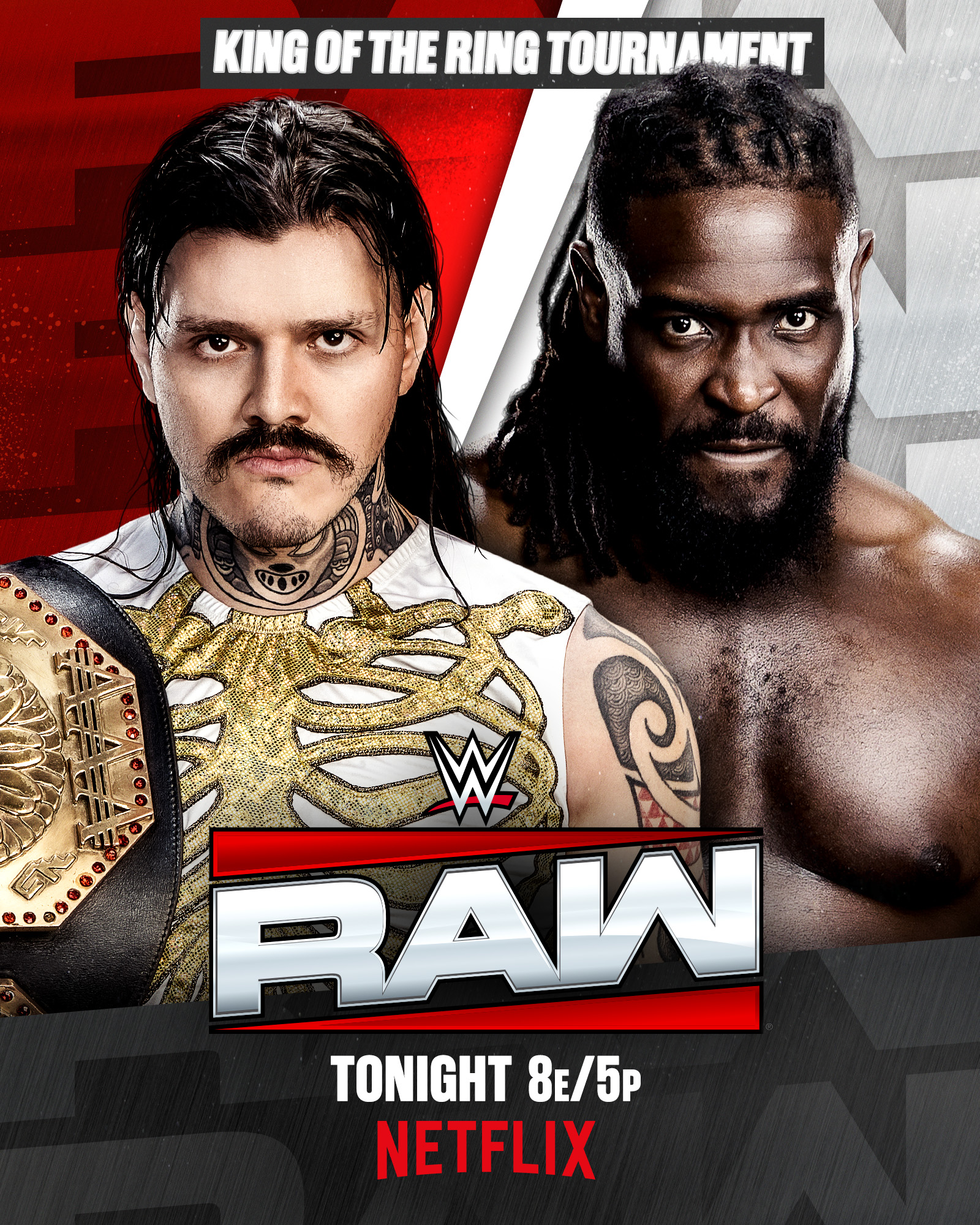
The King of the Ring is only as good as the booking that follows the coronation. History shows that when the crown is treated as a foundational element rather than a costume piece, the recipient can ascend to legendary status. Recent shifts in the title landscape, such as the fallout from Dominik Mysterio’s recent loss, highlight how even mid-card storylines impact the tournament's future credibility.
Honorable Mentions
Steve Blackman, who added legitimacy to the title early on; Mabel, for at least making the gimmick memorable for all the wrong reasons; and Wade Barrett, whose run showed how a lack of follow-up can stall a promising career. These names remind us that even the most prestigious titles can be derailed by inconsistent creative follow-through.
Read Next
- Remembering Eddie Andelman and the legacy of the King of the Ring
- The McMahon Files: Ranking the Influence of the Former Chairman
- Top 10: Defining WWE Moments of the 2026 First Half
- The streaming shift is making pro wrestling feel like a frantic Wild West
- 👑 King and Queen of the Ring 2026 — Full Coverage Hub