The SmackDown jab that crossed the line
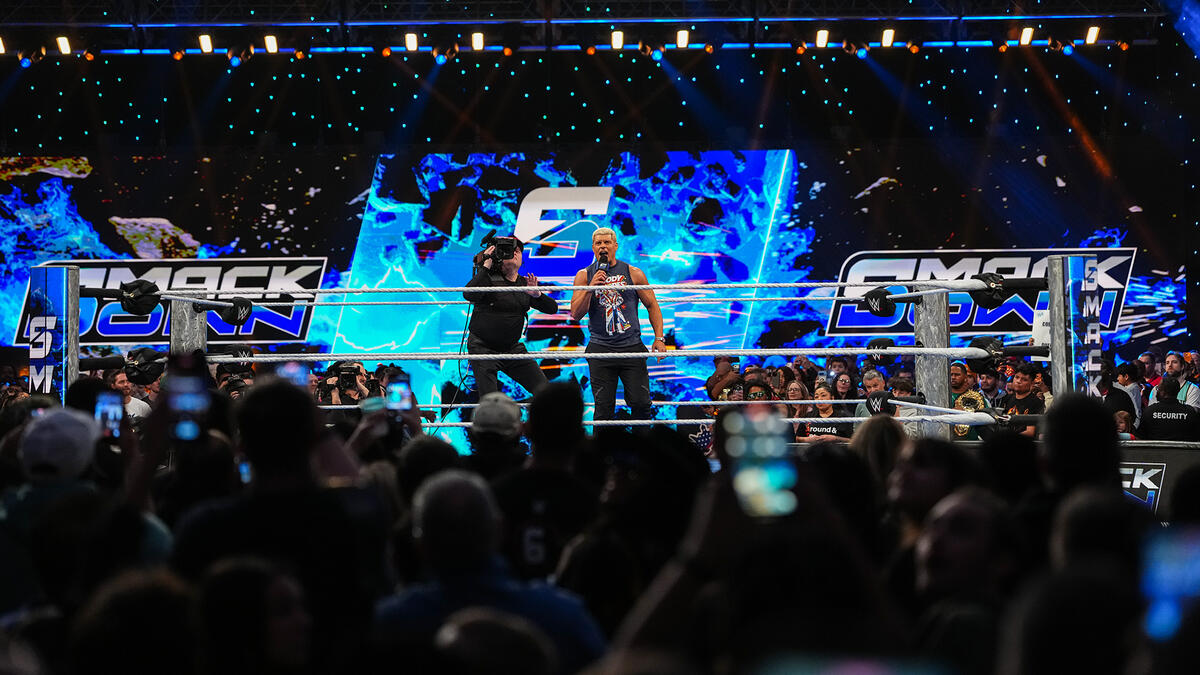
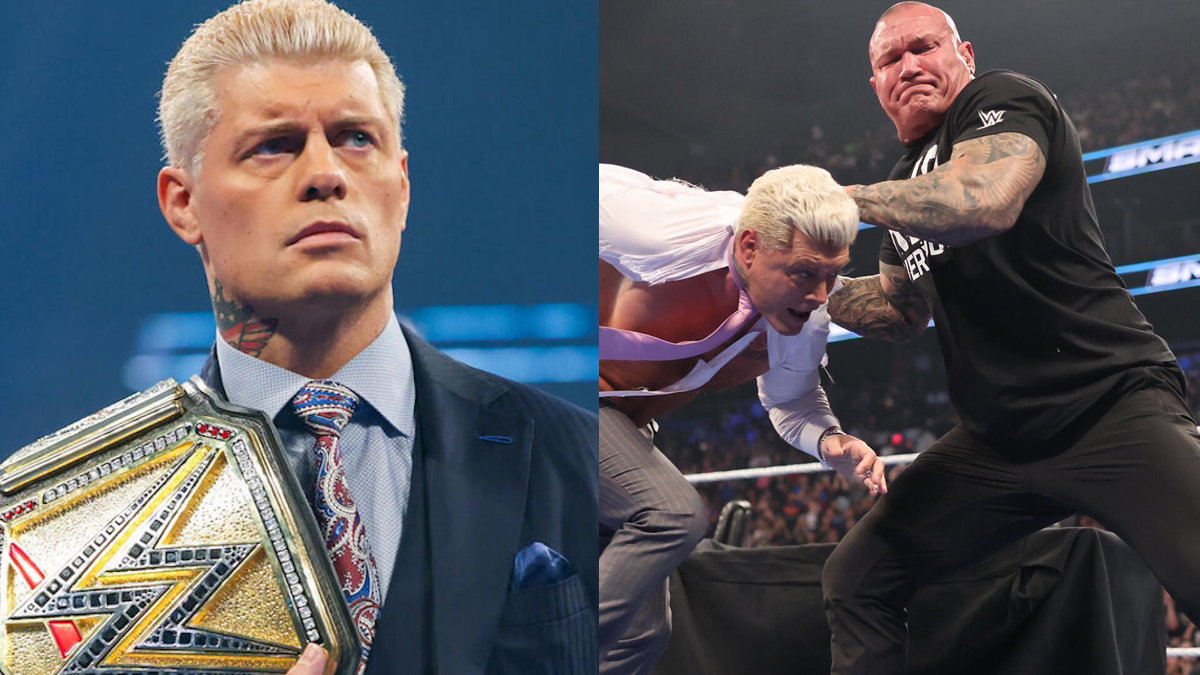
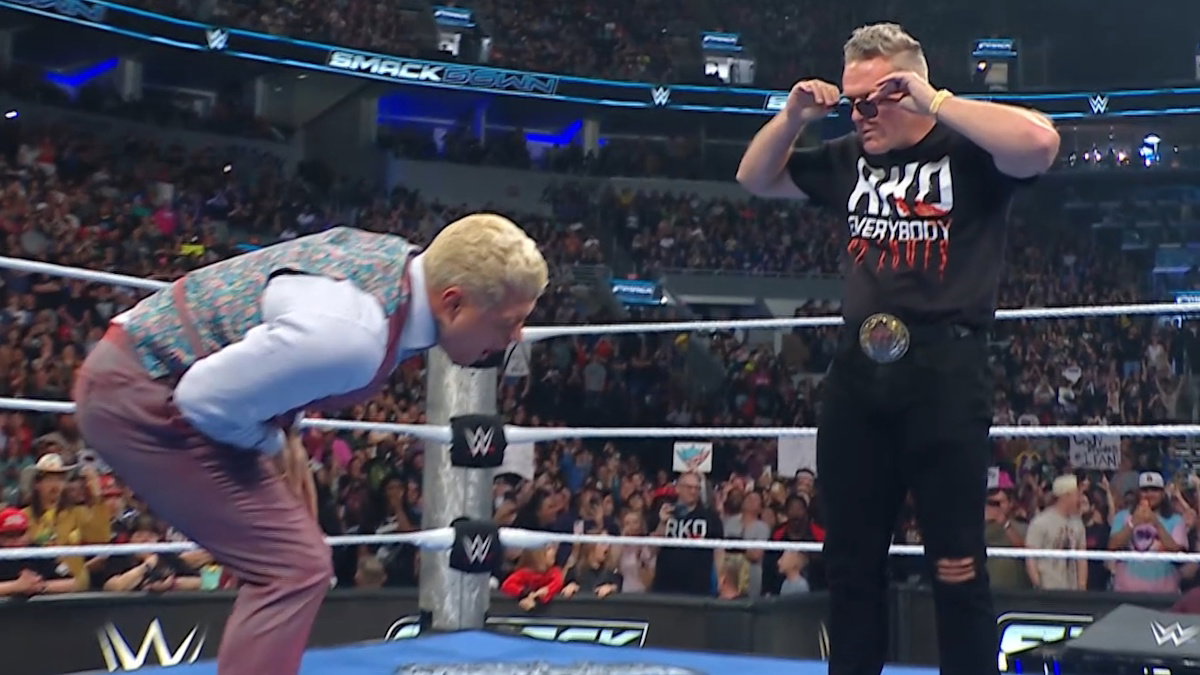
Cody Rhodes has spent the last year riding a wave of goodwill that would make most champions blush. His move to call out Disco Inferno during a recent episode of SmackDown felt like a calculated jab at a polarizing figure from the past. For casual viewers, it was a quick laugh at a journeyman’s expense. For those following the recent fallout reported by Ringside News, the reaction was something much darker.
Disco Inferno didn't just laugh off the insult. He responded with a public, aggressive threat that has left many wondering exactly where the line between a work and a legitimate grudge lies. Professional wrestling has a long history of blurring reality for the sake of a pay-per-view buy, but this feels personal.
Why this sets a risky tone for WrestleMania
WrestleMania 41 is just 15 days away, and the last thing the creative team needs is extra-curricular heat bleeding into their scripted narratives. Cody is the face of the company, balancing the heavy lifting of a championship reign while managing the messy politics of a locker room changing under new ownership. By engaging with aging critics, he risks inviting the kind of chaos that turns a clean storyline into a muddy public relations headache.
The current booking strategy relies heavily on the star power of the main event. If Cody’s focus drifts toward settling scores with former WCW talent rather than his scheduled opponent, the match quality might suffer. WrestleMania is not the place for ego-driven feuds that exist outside the ring ropes. It is a show built on spectacle, and spectacle requires singular focus.
The cost of the spotlight
Let’s be honest about the mechanics here. Cody needs the fans behind him to reach the heights of his predecessor, Roman Reigns. Engaging in a Twitter spat with Disco Inferno does nothing to advance his story or help his match preparation. It makes him look insecure, which is the last thing you want from a top-tier champion.
The danger is that this signals a shift in how talent handles criticism. Rather than ignoring the noise, the new regime seems to be allowing — or perhaps encouraging — these meta-narratives to play out across social media. While it drives engagement in the short term, it cheapens the craft. Fine-tuning a character requires discipline, not a reflex to strike back at anyone with a microphone.
The verdict
I anticipate this will die down before we hit the Lincoln Financial Field for Night 1 on April 19, 2026. Cody is too professional to let a distraction like this fester. He understands the value of the belt and the weight of the main event. My prediction? Rhodes delivers a clean victory in his title defense, proving that his focus remains exactly where it needs to be: at the top of the card, winning matches, not winning arguments on the internet. He wins by pinfall at the 22-minute mark, ending the debate once and for all.
Read Next
- Cody Rhodes and Randy Orton on SmackDown need to settle the WrestleMania 41 main event
- Cody Rhodes and Randy Orton bring star power to Friday night
- Cody Rhodes is finally hitting the wall with his current rotation
- Cody Rhodes and Randy Orton are heading for a WrestleMania 41 headliner
- 🏆 WrestleMania 41 — Full Coverage Hub
- 💥 WWE Backlash 2026 — Full Coverage Hub