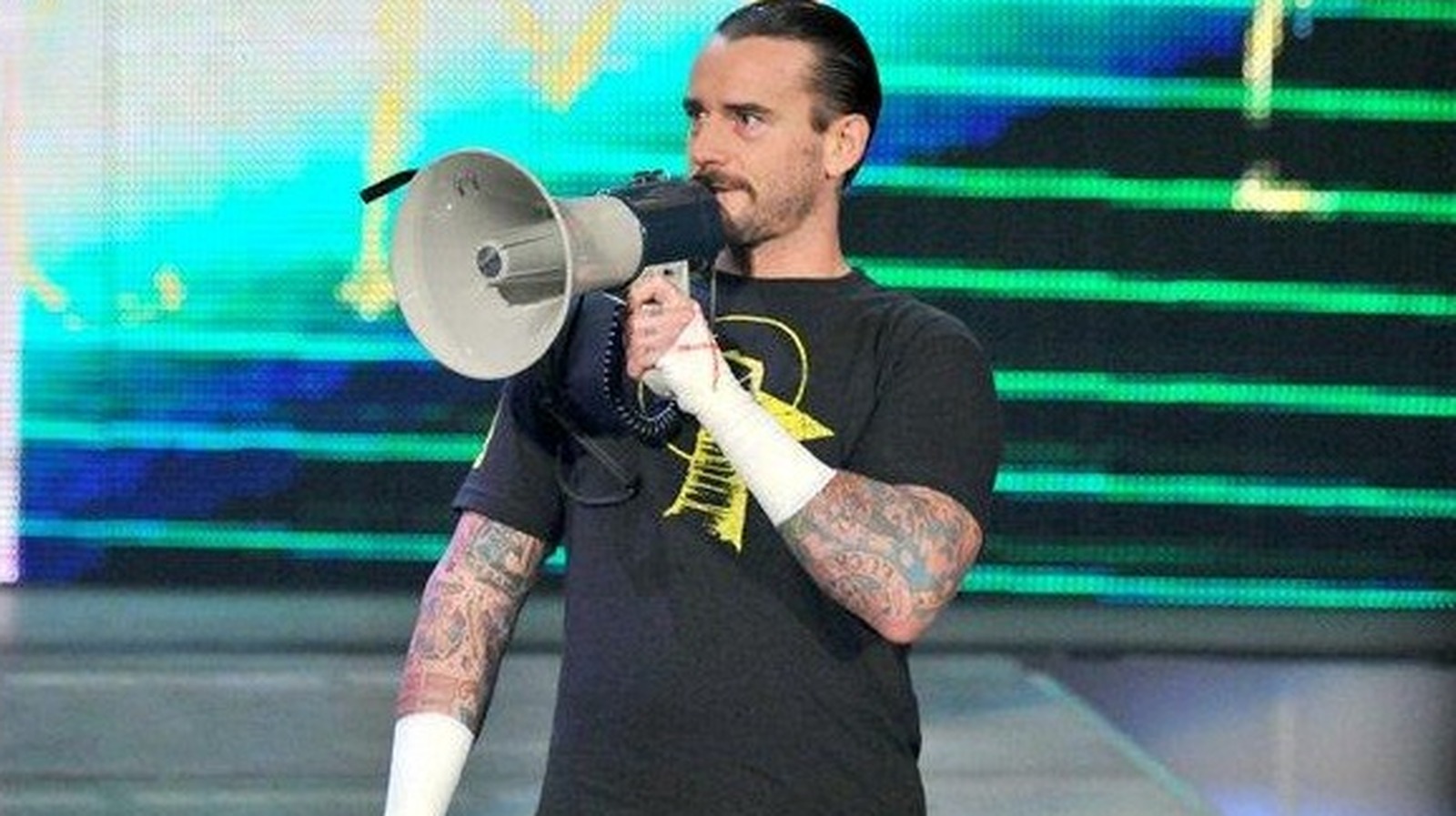
CM Punk and Ken Shamrock are the faces of TKO's latest corporate marriage
The end of the combat sports border
The announcement that CM Punk and Ken Shamrock will anchor a new A&E UFC series isn't just a casting choice. It is a formal declaration that the wall between scripted drama and cage fighting has been demolished. TKO Group Holdings is no longer pretending that WWE and UFC are separate entities with distinct audiences. They are treating both as a single, massive funnel for the same demographic of adrenaline seekers.
Sending WWE superstars to a UFC event at the White House is the kind of high-level optics play that Ari Emanuel thrives on. It positions the brand not as a niche sport, but as a cultural pillar of American entertainment. This isn't about the fights anymore. It is about the power of the platform to move icons across different stages without friction.
Punk and Shamrock represent the two ends of the bridge TKO is building. Shamrock was the pioneer who proved a fighter could become a superstar in the squared circle. Punk was the superstar who tried to prove he could survive the octagon. Both are essential to the narrative that TKO is selling: that the man matters more than the medium.
The CM Punk paradox in the octagon
Critics still point to CM Punk’s UFC record as a punchline. He spent 2 minutes 14 seconds on the ground at UFC 203 before tapping to a Mickey Gall rear-naked choke. His second outing against Mike Jackson was a dismal affair that was later overturned to a No Contest. From a purely athletic standpoint, the experiment was a failure that bordered on the embarrassing.
But TKO doesn't care about his takedown defense. They care about the 225,000 pay-per-view buys he helped generate for a card that otherwise lacked star power. Punk is a lightning rod. Whether people want to see him win or see his jaw adjusted by a professional, they still pay to watch. That is the only metric that matters in the post-merger era of combat sports.
Including him in the A&E series is a strategic move to sanitize his MMA legacy. It reframes his losses as a "heroic attempt" rather than a mismatch of skill. By pairing him with Shamrock, they are giving Punk a degree of veteran legitimacy he never earned in the cage. It is a classic WWE-style narrative rehab, applied to a UFC timeline.
Ken Shamrock and the return of the prodigal son
Ken Shamrock’s relationship with both UFC and WWE has been volatile for decades. He was the "World's Most Dangerous Man" who helped put UFC 1 on the map in 1993. When he jumped to WWE in 1997, he became the blueprint for the modern hybrid athlete. He held the Intercontinental Championship and won the 1998 King of the Ring by making The Rock tap out to an ankle lock.
For years, Shamrock was the outlier. He was the man who left the "real" fighting world for the "fake" one, often to the chagrin of MMA purists. Now, he is the most valuable asset in the TKO library. He provides the historical connective tissue that justifies the entire existence of the TKO merger.
His inclusion in the A&E series suggests a final mending of fences with Dana White. This is a common pattern in the WWE playbook: bring the legends home once you own their footage. Shamrock’s career is the best evidence that the two fanbases have always been intertwined. He didn't just cross over; he existed in both worlds simultaneously before the technology existed to monetize it properly.
The A&E-ification of UFC history
The move to A&E is a page taken directly from the WWE Network's original programming strategy. For years, WWE has used its "Biography" series to build emotional resonance around its stars. They understand that a fan who knows a fighter's childhood struggles is more likely to buy a ticket. UFC is now adopting this documentary-as-marketing model to humanize its roster.
The risk here is the dilution of the sport's raw appeal. The UFC's original brand was built on being the unscripted, dangerous alternative to the colorful world of wrestling. By adopting the same glossy, over-produced storytelling style as A&E's WWE specials, they risk looking like a "worked" product. There is a fine line between building a star and manufacturing a personality.
This corporate synergy can feel incredibly forced. When you see WWE wrestlers doing photo ops at UFC events in D.C., it breaks the fourth wall. It reminds the audience that these are all just employees of the same massive conglomerate. The grit of the early UFC days is being replaced by the efficiency of a Fortune 500 media company.
The White House play and the optics of power
The UFC White House weekend event is a fascinating display of soft power. Combat sports used to be banned in most states; now, they are being celebrated in the halls of the capital. TKO is using its WWE stars to add celebrity sheen to what used to be a blood-and-guts business. It is a move toward total mainstreaming.
This isn't just about politicians wanting to be seen with tough guys. It's about TKO proving they can deliver a clean, professional, and politically viable product. They want the UFC to be seen as the new NFL—a safe bet for advertisers and government partners. The WWE stars are the ambassadors of that polish.
However, the "purist" MMA fan is being left behind in this transition. These fans don't want to see a WWE superstar's reaction shot in the middle of a flyweight title fight. They don't care about A&E documentaries. They want the highest level of competition without the soap opera trimmings. TKO is betting that those fans have nowhere else to go.
Why the timing matters
We are currently five days away from AEW Double or Nothing 2026. While the competition prepares its biggest show of the season, TKO is changing the conversation entirely. They aren't just putting on a show; they are building a media empire that spans television, documentaries, and political events.
This isn't a battle for wrestling fans or MMA fans. It's a battle for "combat entertainment" supremacy. By locking in legends like Shamrock and magnets like Punk for A&E, they are claiming the history of the sport. If you control the documentaries, you control how the story of the last 30 years is told.
The irony is that Shamrock and Punk were both outcasts at different points in their careers. Now, they are the pillars of the new establishment. It’s a reminder that in the world of TKO, the only thing more important than a win-loss record is your ability to sell a narrative. The scoreboard is secondary to the share price.
The critical flaw in the master plan
There is a danger in this homogenization of talent. If every fighter starts to look and sound like a WWE character, the UFC loses its edge. The appeal of MMA was always the unpredictability of the human element. The more TKO tries to manage that element through A&E specials and White House appearances, the more it feels like a rehearsed play.
We saw this with the Mike Jackson fight at UFC 225. It wasn't a fight; it was a spectacle that lacked the technical quality of a professional contest. If TKO continues to prioritize the "celebrity" factor over the competitive integrity, the bubble will eventually burst. You can only sell a mismatch so many times before the audience realizes the stakes are artificial.
CM Punk is 47 years old. Ken Shamrock is in his 60s. Relying on these names for a new series shows a lack of faith in the current generation of fighters to carry a documentary. It is a nostalgia play that works in the short term but suggests a shallow talent pool in terms of personality. TKO needs to find a way to make the new guys as interesting as the old ones without the WWE filter.
Final thoughts on the TKO era
The TKO merger was supposed to be about backend efficiencies and better broadcast deals. It has turned into a total cultural merger. The A&E series is the first major piece of content that explicitly ties the two brands together through the lens of history. It is a smart business move, but a risky creative one.
Punk and Shamrock will no doubt be great television. They are both articulate, charismatic, and deeply knowledgeable about the business of violence. But their presence is a reminder of how much the UFC has changed since the days of the "Ultimate Ultimate." The cage has become a stage, and the fighters have become performers.
As we head into the summer of 2026, the lines will only continue to blur. With the World Cup kicking off in less than a month, TKO is making its move to secure its place in the global sports conversation. They aren't just competing with AEW anymore; they are competing with every major sport for a slice of the cultural pie. Using WWE stars to sell the UFC is just the beginning of a much larger, and much more aggressive, expansion strategy.
Read Next
- TKO finally realized Las Vegas was a terrible idea for WrestleMania
- Why TKO's Las Vegas obsession is finally blowing up in their face
- Kevin Nash just confirmed what we all feared about the new WWE economy
- Kevin Nash is right about the TKO contract trap
- 🏆 WrestleMania 41 — Full Coverage Hub
- 💊 CM Punk WWE 2026 — Best in the World
WWE Elite Collection Series 109 - Cody Rhodes Action Figure
The most poseable and detailed wrestling figure money can buy.
Frequently Asked Questions
What new project features both CM Punk and Ken Shamrock?
How did CM Punk perform during his time fighting in the UFC?
Why is TKO Group Holdings combining WWE and UFC narratives?
What role did Ken Shamrock play in early MMA and pro wrestling?
Why is Ken Shamrock considered valuable to the TKO merger?
More Coverage
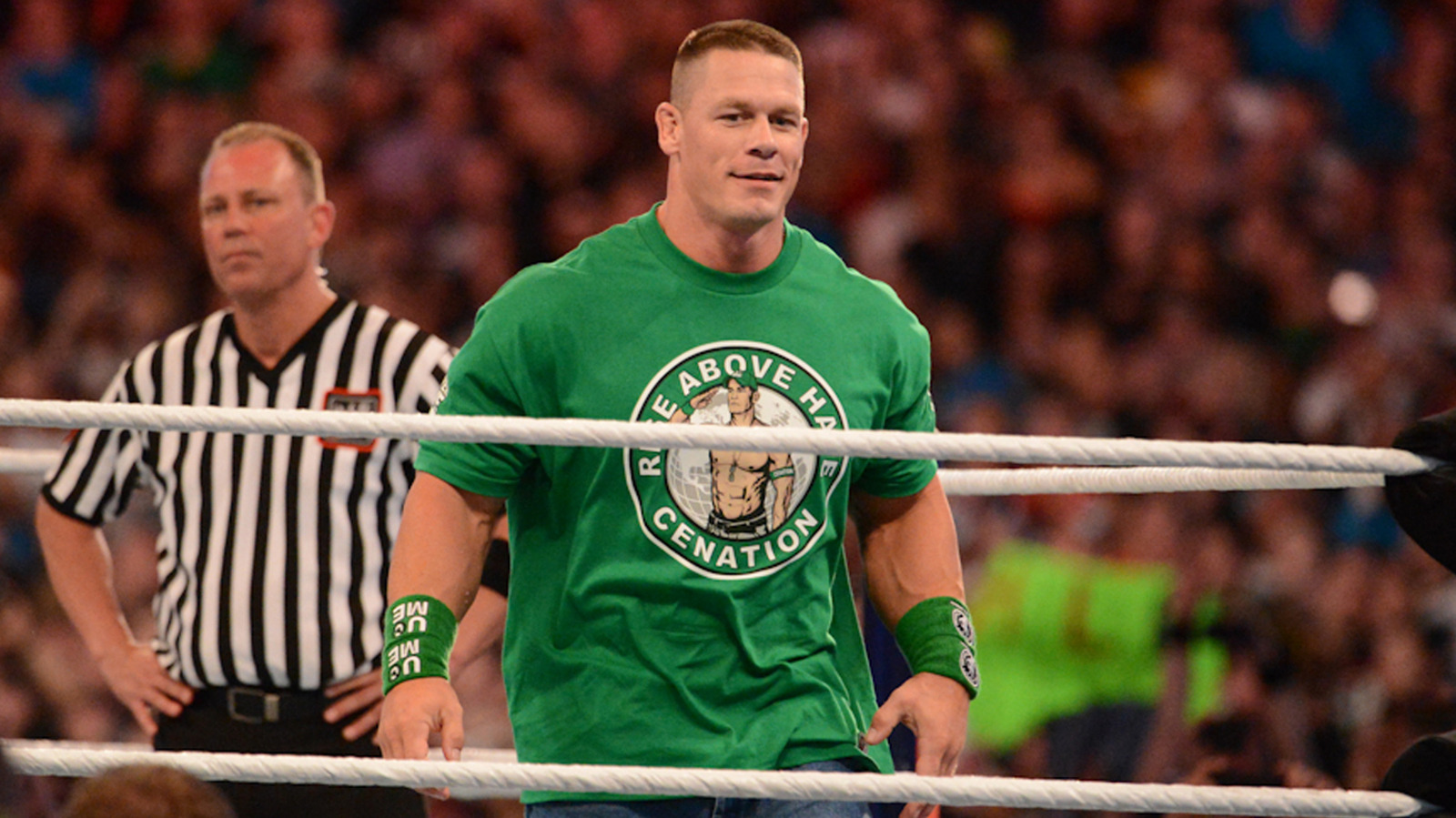
John Cena’s final act is becoming a masterclass in nostalgia
2 hours ago
Is Tommaso Ciampa eyeing an AEW jump after the Jericho feud?
2 hours agoSummerSlam's digital buildup misses the physical mark
2 hours ago
Why WWE's corporate booking machine keeps fumbling its best faction ideas
3 hours ago
WWE Stacked Card for Detroit RAW Sets Up Crucial Mid-Summer Pacing
3 hours ago
The backstage fallout of WWE's rotating roster and injury management
3 hours agoMore Analysis
WWE and UFC hanging out in DC is the weirdest timeline
1 month agoWWE and UFC are finally colliding in Vegas this weekend
1 month, 1 week ago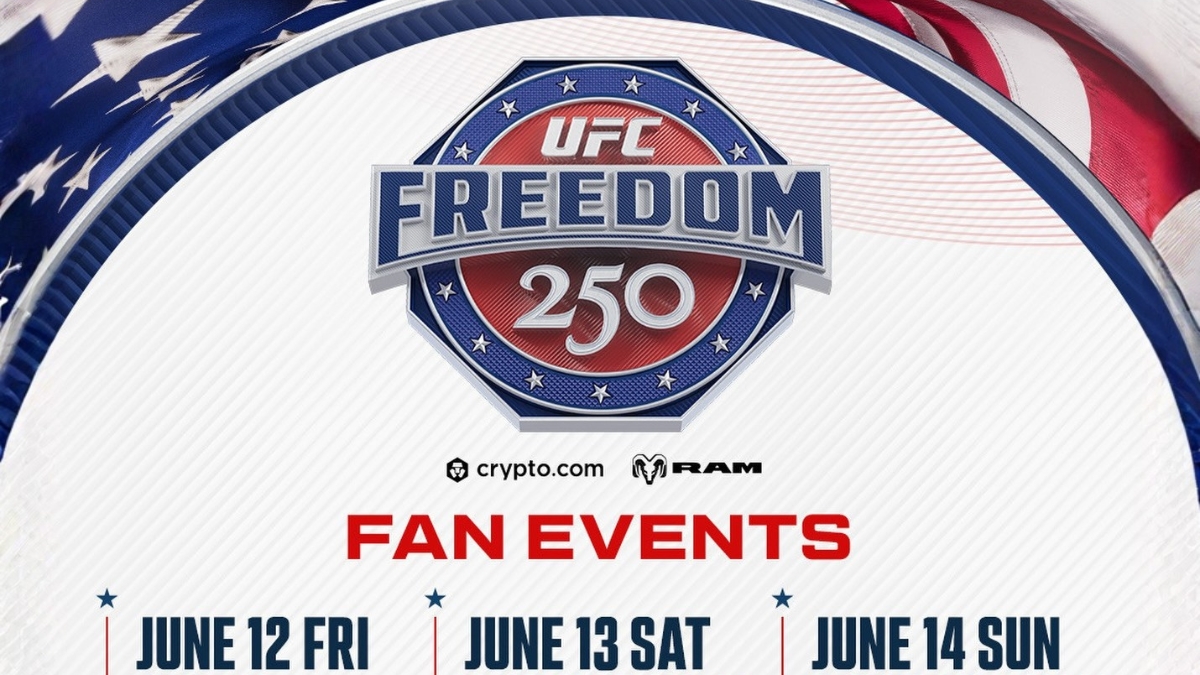
WWE at the White House is a messy experiment in brand synergy
2 months ago
CM Punk's WWE Honeymoon Is Already Over
2 months, 2 weeks ago
Why wrestling fans are tearing each other apart over the TKO corporate merger
3 months, 3 weeks ago