The long road back from diverticulitis
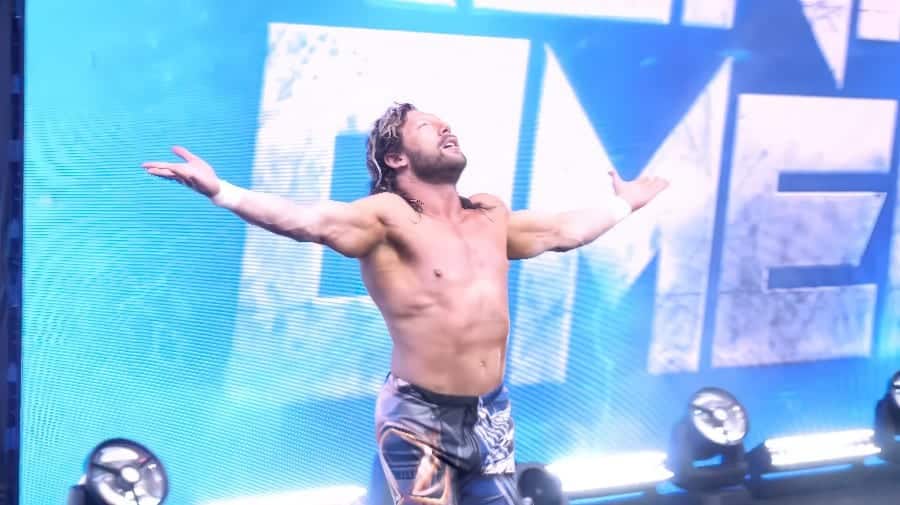
Kenny Omega has been sidelined since December 2023, dealing with a severe case of diverticulitis. The former world champion has remained a fixture of the AEW locker room, but his absence from the ring continues to leave a void in the main event hierarchy.
The medical timeline for diverticulitis of this severity is notoriously unpredictable. While Omega has provided positive public updates regarding his quality of life, the gap between day-to-day existence and the physical demands of a high-intensity bout is massive. Wrestling requires an elite level of core stability and impact resistance that remains off the table during the recovery process.
Strategic vacancy at the top of the card
The timing of Omega's injury has forced AEW to pivot repeatedly. Without their primary technician filling the top spot, the creative team has leaned heavily on other stars to carry the narrative load. This shift has occasionally resulted in messy pacing, particularly when storylines lack the grounding influence Omega brings to the squared circle.
As the company prepares for major events, the lack of a defined return date is a liability. Managing ticket sales and prestige requires a consistent top-tier draw. While the promotion prides itself on accessibility—as Kenny Omega noted regarding their affordable ticket structure last year—the absence of the star power that drives the product remains a hurdle the front office has yet to fully clear.
Comparative recovery histories
Historically, athletes who suffer internal organ issues of this nature rarely bounce back to peak performance immediately. Brock Lesnar, who also battled diverticulitis, struggled significantly upon returning to active competition in the early 2010s before refining his style. The transition back to 20-minute, high-sequence matches is rarely a linear progression.
Recent reports suggest Omega is prioritizing long-term health over immediate booking availability. This is a sound, albeit frustrating, decision for the talent. The alternative—rushing back and risking a secondary rupture or flare-up—could end a storied career prematurely.
The missed opportunity of WrestleMania season
April 2026 finds the wrestling industry buzzing with the lead-up to WrestleMania 41, and while AEW is not involved in that specific event, the lack of an Omega-led counter-program is notable. The absence of a marquee performer of his caliber during the biggest weeks on the wrestling calendar is a reality the brand has been forced to absorb for the better part of a year.
Managing talent longevity is the most difficult task for any promoter. For AEW, keeping Omega healthy and away from the pressure of an early return is the only logical path. Fans should not expect a surprise appearance at Double or Nothing in late May. The current priority is securing a base level of health that permits a move-set based on mobility and explosive power.
Every week he spends on the bench is a week the audience reflects on the missing pieces in the weekly broadcast. Ultimately, the burden of his recovery isn't just on his physical capacity—it's on the booking logic that continues to shift while he waits for the green light from medical personnel.