The All Elite infirmary is getting crowded
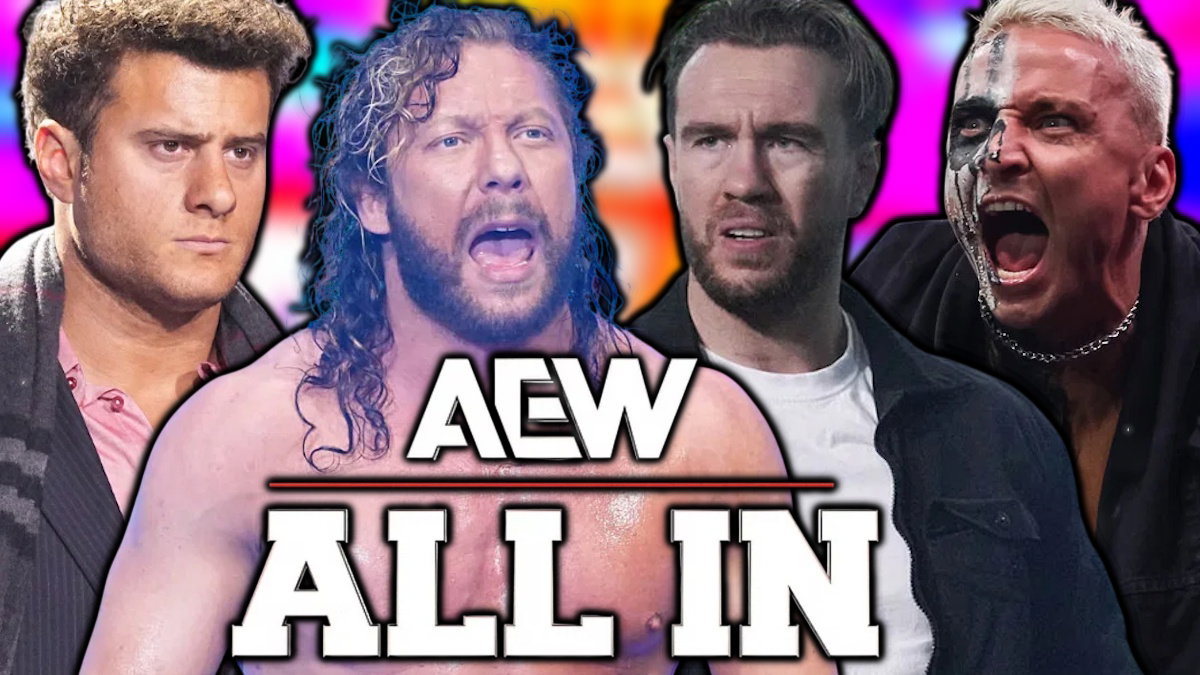
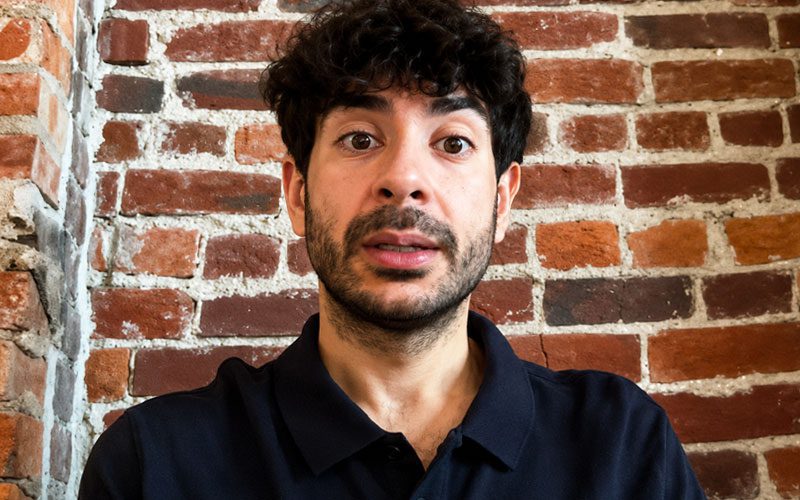
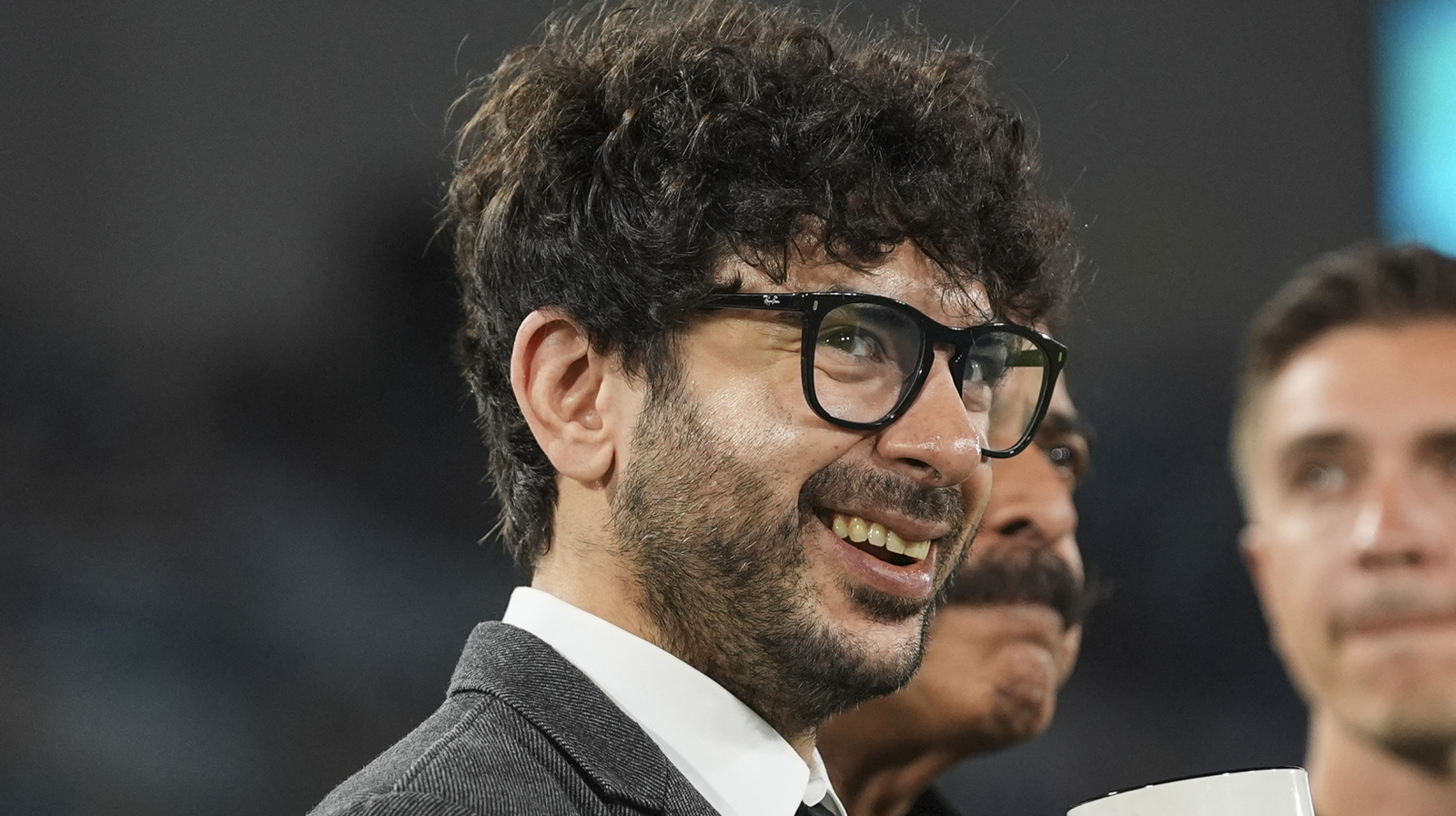
If you have been following the AEW booking trajectory lately, you know the vibe is currently somewhere between a high-speed car crash and a waiting room at a 24-hour urgent care clinic. The news dropped earlier this week that two key roster members are looking at massive layoffs from in-ring competition due to injury. This is not just a minor setback for Double or Nothing; it is a full-blown headache for Tony Khan.
We are just forty-eight days out from one of their biggest annual pay-per-views, and the main card is looking like Swiss cheese. When your talent is getting sidelined by legit injuries in the middle of a build, the creative team has to pivot harder than a cruiserweight avoiding a clothesline. We have seen this movie before, and usually, it ends with a last-minute scramble to fill a spot on the card with someone who was wrestling on a YouTube show three days prior.
The depth chart is a mirage
The company prides itself on having perhaps the deepest roster in the history of technical wrestling. You hear the company stans scream about how their mid-card could headline any other promotion. But when the light hits the stage, the reality reveals that names matter. You cannot just swap out a top-tier draw for a promising high-flyer and expect the casuals hitting the ticket sites to remain loyal.
Think back to the chaotic run-up to WrestleMania 41, where the internet is currently melting down over corporate decisions. WWE, for all its faults, has a machine that keeps rolling. If a star goes down, they have the promotional juice to bridge the gap. AEW simply lacks that same level of industrial grade grease. When the marquee names are forced to sit out, the product starts to feel like a high-budget indie show trying to punch above its weight class.
The booking trap
Part of the blame has to land at the feet of the high-octane, move-heavy style that has become the signature of the brand. It is an incredible aesthetic to watch on a Tuesday night from your couch, but it is physically unsustainable for the human body over long durations. We are talking about guys hitting Canadian Destroyers off the middle rope every single week for no major championship stakes. Eventually, the bill comes due.
As TKO is packing international fight week with filler, the wrestling space as a whole seems to be struggling with the sheer volume of output required. You cannot put on a banger every single time the camera light flicks on. Injuries are the direct result of chasing that specific high. If the booking doesn't shift toward a more protected, character-driven style, the locker room is going to remain a revolving door of guys clutching their knees and hoping for a return date.
Missing the boat on the big show
Losing top talent right before your May supershow is the wrestling equivalent of dropping a soufflé in the final minute. You have already sold the seats, you have already committed to the story, and then poof—the person doing the heavy lifting in that saga is relegated to the gorilla position or off the show entirely. The creative team now has to decide whether to hotshot a replacement or delay the payoff, which only results in fans feeling like they got a bait-and-switch outcome.
Is there a silver lining? Maybe a mid-card guy gets the rub of a lifetime and breaks into the main event scene. But historically, panic-booking rarely produces a star. It usually just produces a confusing main event that fans view through the lens of disappointment before the opening bell even rings. The company has to address the frequency of these high-risk spots during television openers if they want to stop having their pay-per-views look like a war zone triage unit.
They are currently holding a 55 percent success rate on keeping their top guys healthy for major cycles. That is a failing grade in any other business. The fans are tired of seeing "out indefinitely" posts on social media right when a program is gaining steam. If the company wants to reach the next tier of legitimacy, they need their stars to actually be there when the curtain goes up at Double or Nothing. Otherwise, they might find their audience looking elsewhere for reliable storytelling.