The instability of the mid-card
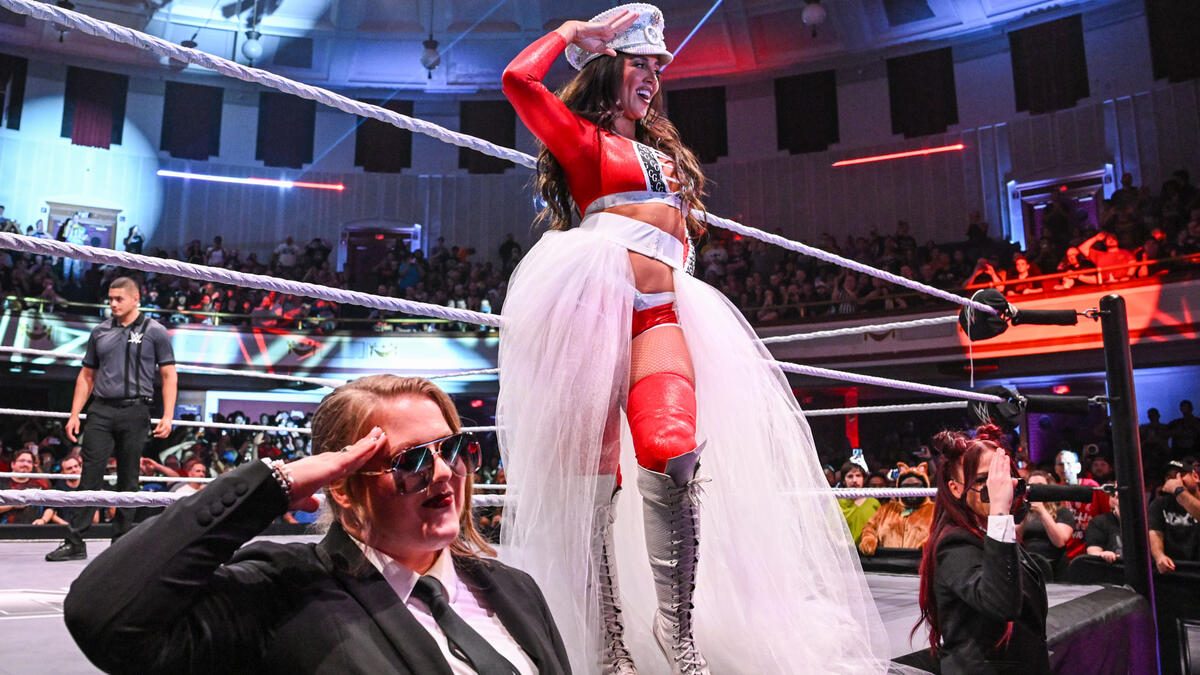
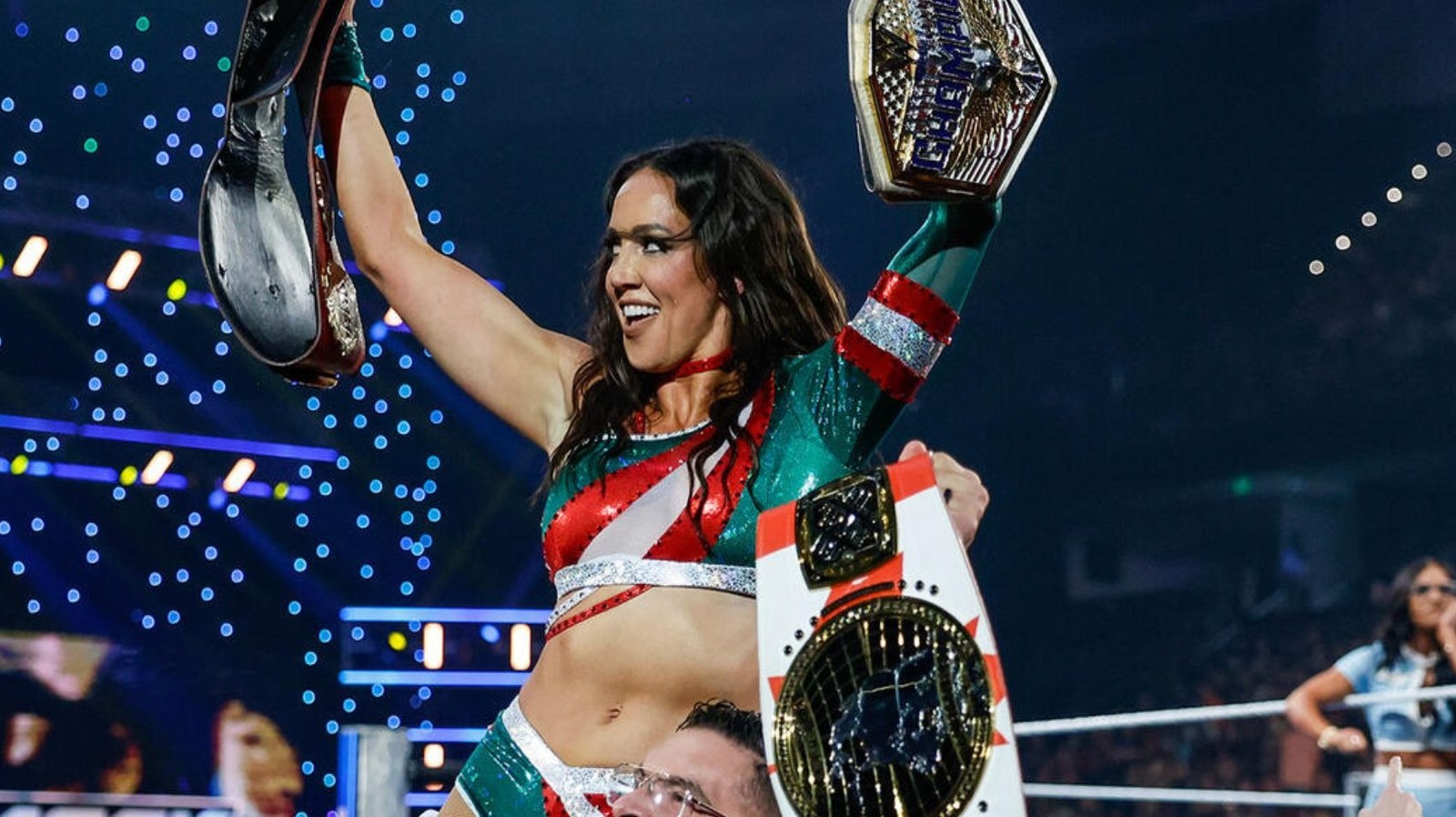
As the production trucks settle into Allegiant Stadium for WrestleMania 41, the talk in the locker room isn't just about the main event. It is about longevity in an industry that demands constant reinvention. Chelsea Green, a former Women's United States Champion, recently went on record stating she still finds it difficult to feel secure in her position within the company. This isn't just athlete anxiety; it is a tactical observation of how management shifted their booking habits during the current season.
We are seeing the consequences of a lean, high-pressure roster. Green’s career path is a study in navigating this volatility. She survived the scrutiny of the «WWE Unreal» program, an experience that caused significant public blowback, yet she managed to earn the backing of The Undertaker during that fallout. That kind of veteran endorsement suggests she has the skills management values, even if the creative direction remains opaque. Her journey from being maligned publicly to finding allies among legends proves that talent isn't the only variable in the equation.
Injury setbacks and the reality of the 2026 cycle
The dark side of this business remains the physical toll, and the news concerning Green's ankle injury serves as a reminder of how quickly plans change. Missing the biggest weekend of the year is a blow to any performer, but for someone like Green, it disrupts a trajectory that peaked during her title reign. The ankle injury, which has been the subject of several updates, effectively pulls an active piece off the game board at the worst possible time.
There is a glaring issue with relying on a concentrated star pool to carry the weight of a two-night event. When injuries strike at the mid-card level, the ripple effect on match card spacing is immediate. We see less variety, more repeat pairings, and a reliance on veterans to fill unexpected holes. Watching the build to April 19, one cannot help but notice how specific injuries necessitate heavier lifting from names like Jade Cargill or Tiffany Stratton to cover gaps in technical depth.
Analyzing the tactical landscape
The history of support Green received from top-tier talent indicates that her eventual return will be met with creative interest. However, standing on the floor of the stadium tomorrow, you have to wonder if the 2026 business plan accounts for the attrition rate. If the roster is a machine, this week acts as the stress test. If key components are sidelined, the performance fails the user.
My prediction for the weekend ignores the sentimentality of the return dates and focuses on the performance metrics required for a successful show. The booking team will prioritize high-impact, short-duration bouts to protect the remaining talent from injury before the busy summer schedule, which includes the post-WrestleMania hangover leading into the May 9 Backlash event. Expect a heavy focus on protected finishes and interference-heavy segments to save the remaining bodies for the long road ahead.
The risk of a flat finish over the next 48 hours is at an 80 percent probability due to the current lack of roster depth. Unless management allows for a mid-card breakout performance that doesn't rely solely on established main-event icons, this event will be remembered as a logistical success rather than an artistic one. We are watching a business trying to scale up and stay pristine at the same time, and something usually has to give.