The Immediate Update
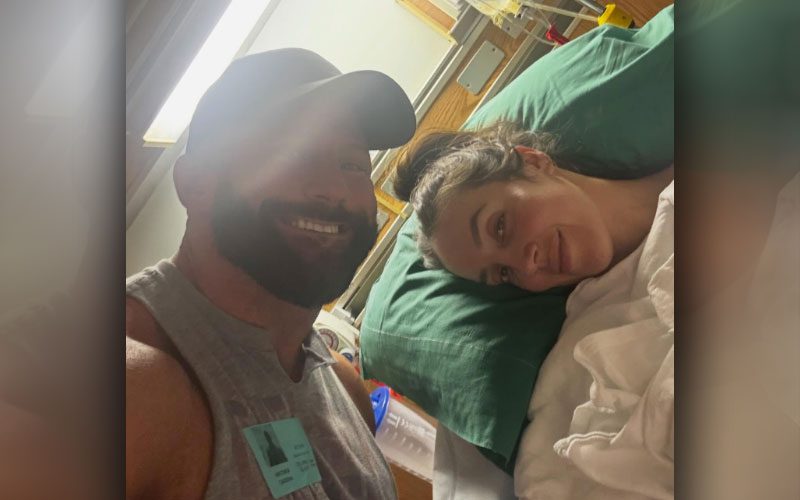
Chelsea Green is finally moving around again. One week after undergoing a heart procedure to address Supraventricular Tachycardia (SVT), the WWE superstar confirmed she has officially been cleared from strict bed rest. The update, shared across her social media platforms, marks the first significant milestone in what is a carefully monitored recovery process.
SVT is not a torn ACL or a fractured collarbone. It does not come with a standard six-to-nine-month countdown clock for a return. Instead, it involves the electrical system of the heart, making the return-to-play timeline highly individualized. For Green, getting off the couch is step one. Taking a flat back bump in front of ten thousand people is still a long way off.
The procedure, almost certainly a catheter ablation given standard medical protocols for athletes with symptomatic SVT, took place roughly a week ago. Green noted that sitting still was driving her crazy. That sentiment perfectly fits the profile of a performer known for her frantic, high-energy character work on Monday Night Raw.
Understanding SVT in Pro Wrestling
Supraventricular Tachycardia is a condition where flawed electrical signals in the heart's upper chambers cause an abnormally fast heartbeat. In a normal resting state, a human heart beats 60 to 100 times a minute. During a severe SVT episode, that rate can suddenly spike to 150 to 220 beats per minute, even when the person is completely still.
Now imagine that happening twenty minutes into a televised wrestling match. The cardiovascular demand of professional wrestling is already extreme. Adding an uncontrolled, rapid heart rate to the mix leads to dizziness, shortness of breath, chest pain, and a severe drop in stamina. It is entirely unsustainable for an in-ring competitor to perform safely under those conditions.
Treatment usually involves an ablation. A cardiologist threads a catheter through a blood vessel to the heart and uses heat or cold to destroy the tiny area of tissue causing the erratic signals. The procedure itself boasts a very high success rate, often curing the issue permanently. The recovery requires absolute caution. The heart needs to heal from the intentional scarring before any rigorous cardiovascular activity can resume.
Orthopedic vs. Cardiac Rehabilitation
Green is no stranger to the disabled list. Her early WWE career was marred by terrible luck with bone fractures. She broke her wrist during her initial NXT run. She broke it again during her highly anticipated SmackDown debut in 2020, halting her main roster call-up before it even really began. She knows exactly how to rehab a physical break.
But rehabilitating a bone or a joint is an active, physical process. You ice the joint. You wear a heavy brace. You do isolated strength exercises, pushing through physical pain to regain mobility and muscle mass. Cardiac recovery is entirely different, and for a professional athlete, often much more mentally frustrating. It is a strictly passive recovery.
The mental toll of cardiac recovery is frequently cited by combat sports athletes as the hardest part. Green's body likely feels perfectly fine right now. Her joints do not ache. She is not walking with a visible limp. Yet, she is explicitly forbidden from raising her heart rate. For a wrestler used to spending two hours a day in the gym and traveling four days a week, the sudden, forced sedentary lifestyle is a jarring psychological shift.
Historical Precedent and WWE Protocols
Heart conditions in professional wrestling carry heavy historical baggage. However, modern screening has changed the reality of the industry. WWE's medical protocols, drastically overhauled over the last two decades, are designed to catch exactly these types of electrical anomalies before they result in a tragedy.
The most famous comparison is Montel Vontavious Porter. When MVP signed with WWE in 2006, routine medical screening uncovered Wolff-Parkinson-White syndrome, a specific type of SVT. He underwent a successful ablation procedure, recovered fully, and went on to have a lengthy, physically demanding career. The screening caught a potentially fatal issue before he ever stepped through the ropes.
When Paul Levesque experienced heart failure in 2021 due to a severe genetic issue, it forced his immediate and permanent retirement. While Green's SVT is highly treatable and not considered career-ending in the same way, the corporate response remains identical. WWE mandates an immediate shutdown, surgical medical intervention, and zero physical activity until outside cardiologists sign off.
The Booking Fallout and Television Void
Green's sudden absence leaves a noticeable gap in WWE's television presentation. Over the past two years, she has arguably been the most reliable character actor in the women's locker room. She does not need to be in a championship program to generate television time. Her obnoxious, demanding persona and willingness to make a fool of herself are plug-and-play elements for any segment.
This highlights a glaring weakness in WWE's current creative structure. While the main event scene is meticulously mapped out months in advance, midcard acts are often left twisting in the wind when real-life medical issues occur. WWE television simply stopped mentioning Green, rather than using her medical absence to build sympathy or advance a storyline.
This creative silence is especially damaging to her tag team partner, Piper Niven. Without Green to serve as the loudmouthed instigator to Niven's heavy-hitting enforcer, Niven has been left off television entirely. The company’s inability to pivot and maintain momentum for supporting players remains a frustrating reality. A simple backstage interview acknowledging Green's absence could have given Niven a singles motivation. Instead, the division just shrinks.
The State of the Tag Division
Green’s medical hiatus comes at a bad time for the WWE Women’s Tag Team Championship picture. The division is notoriously thin, often relying on hastily assembled pairings to fill out tournament brackets. Green and Niven were one of the few actual teams—a pairing with distinct chemistry and matching presentation.
They operated as the perfect gatekeepers. If a new babyface team needed to pick up a win on Raw to establish credibility, Green would bump around the ring, scream at the referee, take the finisher, and make the new team look like stars. It is an unglamorous but utterly essential role.
With Green sidelined, WWE has lost its most reliable set of antagonistic bumpers. This forces the creative team to rely on makeshift teams or rush developmental talent to the main roster before they are ready for live television. When one injury to a non-champion derails weeks of television planning, the underlying foundation of the division is fundamentally flawed.
The Road to Return
So, when does she wrestle again? That is entirely up to her cardiologists and WWE's medical director.
The initial bed rest period is meant to prevent bleeding at the catheter insertion site, usually in the groin. After a week, normal daily activities can resume. But the transition back to elite athletic performance is staggered. She will begin light cardiovascular work in the coming weeks, monitored closely to ensure the SVT episodes do not return under physical stress.
If the heart maintains a normal sinus rhythm during aggressive cardio testing, the next hurdle is in-ring clearance. Taking professional wrestling bumps causes sudden spikes in blood pressure and adrenaline. WWE doctors will require absolute certainty that the ablation was successful before clearing her for physical contact.
Best case scenario? She could be back in the Performance Center taking light bumps in four to six weeks. A return to television could happen shortly after. But heart procedures do not adhere to a television booking script. If there is even a hint of recurring arrhythmia, that timeline extends indefinitely.
For now, surviving the boredom of bed rest is the win. The wrestling industry can wait until her heart is ready for the road.