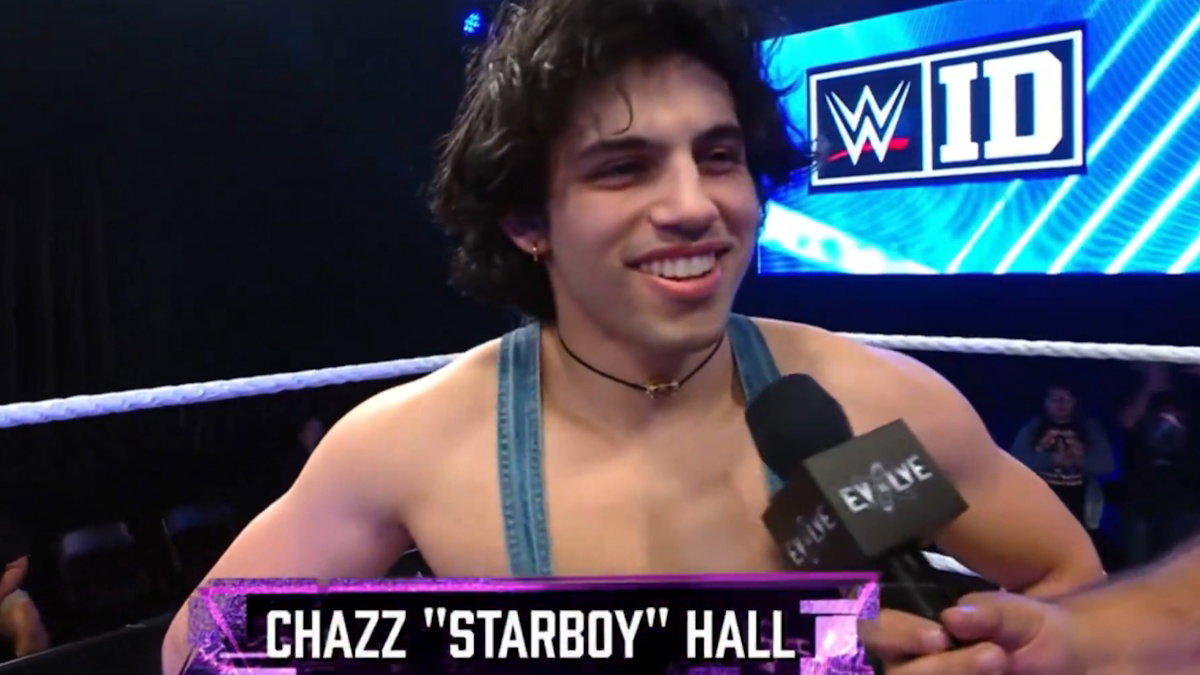
Cena’s retrospective highlights the WWE ID drain
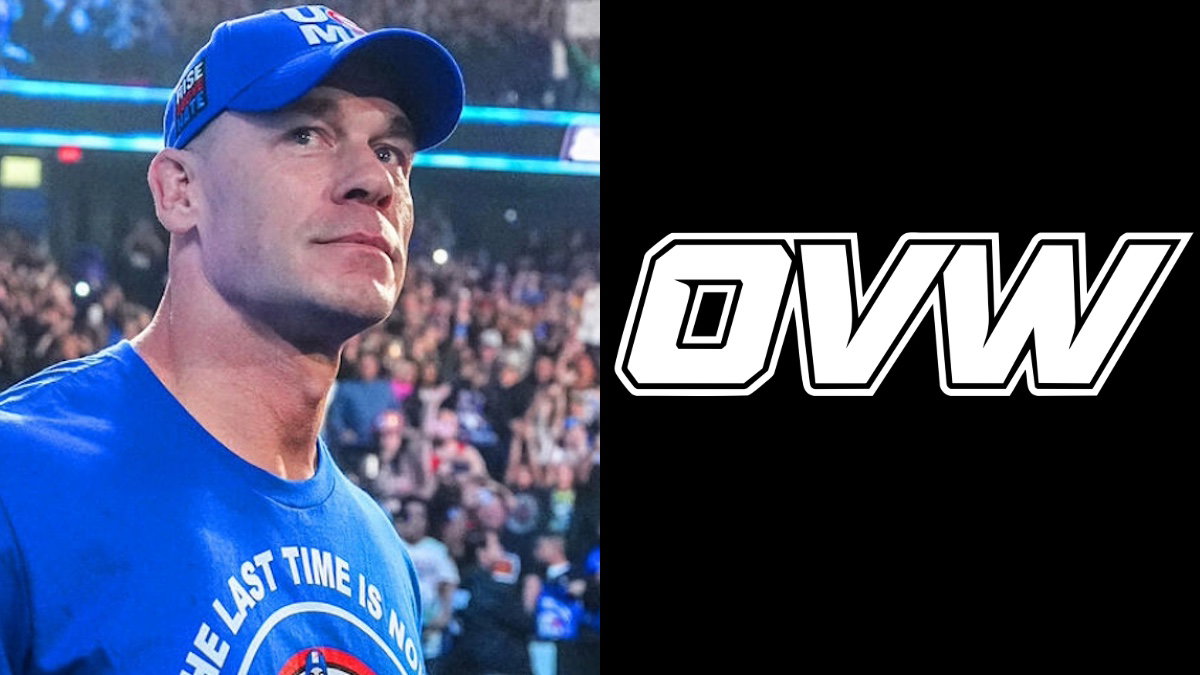
Cena’s OVW nod reminds us of what we are losing
John Cena took to social media on June 11 to congratulate Ohio Valley Wrestling on reaching its 1400th episode. He noted that he wouldn't have an end to "such a beautiful wrestling journey" if he hadn't had a start in that developmental ring. It was a sentimental moment, but the timing is thick with irony given how the current WWE ID program is stripping the independent circuit of its vitality.
While Cena remembers the grit required to hone a craft in a regional territory, current independent promoters are dealing with a more sterile reality. As reported by Wrestling Inc, WWE has directed athletes under the WWE ID banner to pull out of booked dates on June 20. This is not a development system. This is a containment strategy.
The move toward total exclusivity
Pro wrestling operates on a precarious balance of regional exchange. When an athlete like Cena was in OVW, they weren't just learning under Jim Cornette; they were working for a company that functioned semi-independently, allowing for cross-promotion and real-world testing. Today, the WWE ID system acts as a firewall.
By preventing talent from appearing on independent cards, the company is effectively putting those athletes in a vacuum. It turns potential stars into laboratory specimens who only interact with their own ecosystem. When the June 20 shows lose their headliners because of a corporate edict, the local promoter loses money and the audience loses interest. This does not provide a roadmap for greatness.
Corporate coldness in the boardroom
This organizational rigidity mirrors the behavior seen in the recent WWE shareholder lawsuit, which has drawn comments from JBL. While JBL took a hardline stance, suggesting investors should not have been compensated, the underlying issue is the corporate shift toward risk mitigation over authentic growth. Talent management now looks more like an asset protection ledger than a creative development pipeline.
The WWE ID structure forces talent to prioritize the company's control over their own professional development or community visibility. If the goal is to produce athletes with the versatility that a young John Cena needed to survive, isolating them from independent work is counter-productive. You cannot learn to cut a promo for a diverse crowd if you are never encouraged to work in front of anyone but a pre-selected internal audience.
The hidden cost of the roster freeze
The decision to pull talent from independent shows on short notice represents a fundamental misunderstanding of the independent wrestling lifecycle. Promoters book talent months in advance. When a corporate entity forces a withdrawal, they burn bridges with organizers who provided the very platforms that allowed stars to grow before they were ever signed.
This is a short-term gain for long-term stagnation. If the independent circuit becomes unable to sustain itself because its biggest draws are being held in stasis, where does the future talent cycle begin? We are move-by-move witnessing the erosion of a talent pipeline that once fueled the industry for decades.
The irony is profound. Cena celebrates the grassroots origin of his career, while the corporate entity he represents actively works to pave over the grass. If the next generation of top-tier talent is denied the chance to build a name in the smaller venues, we will eventually run out of fresh, battle-tested performers.
Ultimately, WWE is gambling that they can manufacture stars in a vacuum. But as Cena correctly observed, a journey needs a start. If you bury the start, you will eventually find yourself without an end product. The professional wrestling depth chart is thinning, and the fallout from this current strategy will be felt in the quality of the product for years to come.
Read Next
- John Cena paying respects to OVW after episode 1400 is the ultimate class act
- WWE ID talent pulls turn the June 20 independent circuit into a mess
- Kay Lee Ray is playing the long game after her WWE exit
- The Rock's WrestleMania 29 scars are a reminder of why legends burn out
- 🏆 WrestleMania 41 — Full Coverage Hub
- 👴 John Cena Retirement Tour 2026
Frequently Asked Questions
What is the WWE ID program?
How does the WWE ID program affect independent promoters?
Why is the current developmental system criticized compared to OVW?
What is the consequence of pulling talent from independent shows?
Why does John Cena's OVW post highlight a disconnect with WWE?
More Coverage
Is Carmelo Hayes WWE’s missing piece for SummerSlam?
an hour ago
Strowman and Bronson Reed collision puts WWE medical staff on high alert
an hour ago
WWE RAW's SummerSlam go-home show is putting all its money on a cage collision
an hour agoCM Punk is talking about retirement again and we should actually listen this time
3 hours ago
Top 10: Most Significant WWE Name Changes of the Modern Era
3 hours ago
Top 10: Most Significant Reigns and Title Narratives of 2026
3 hours agoMore Analysis
Why the indie circuit remains professional wrestling's true crucible
1 month, 1 week ago
John Cena paying respects to OVW after episode 1400 is the ultimate class act
1 month, 2 weeks ago
WWE ID is stripping the indies of their soul
1 month, 2 weeks ago
John Cena is searching for a second act in a landscape he no longer controls
1 month, 1 week ago
WWE's indie talent grab comes with a familiar corporate catch
2 months ago