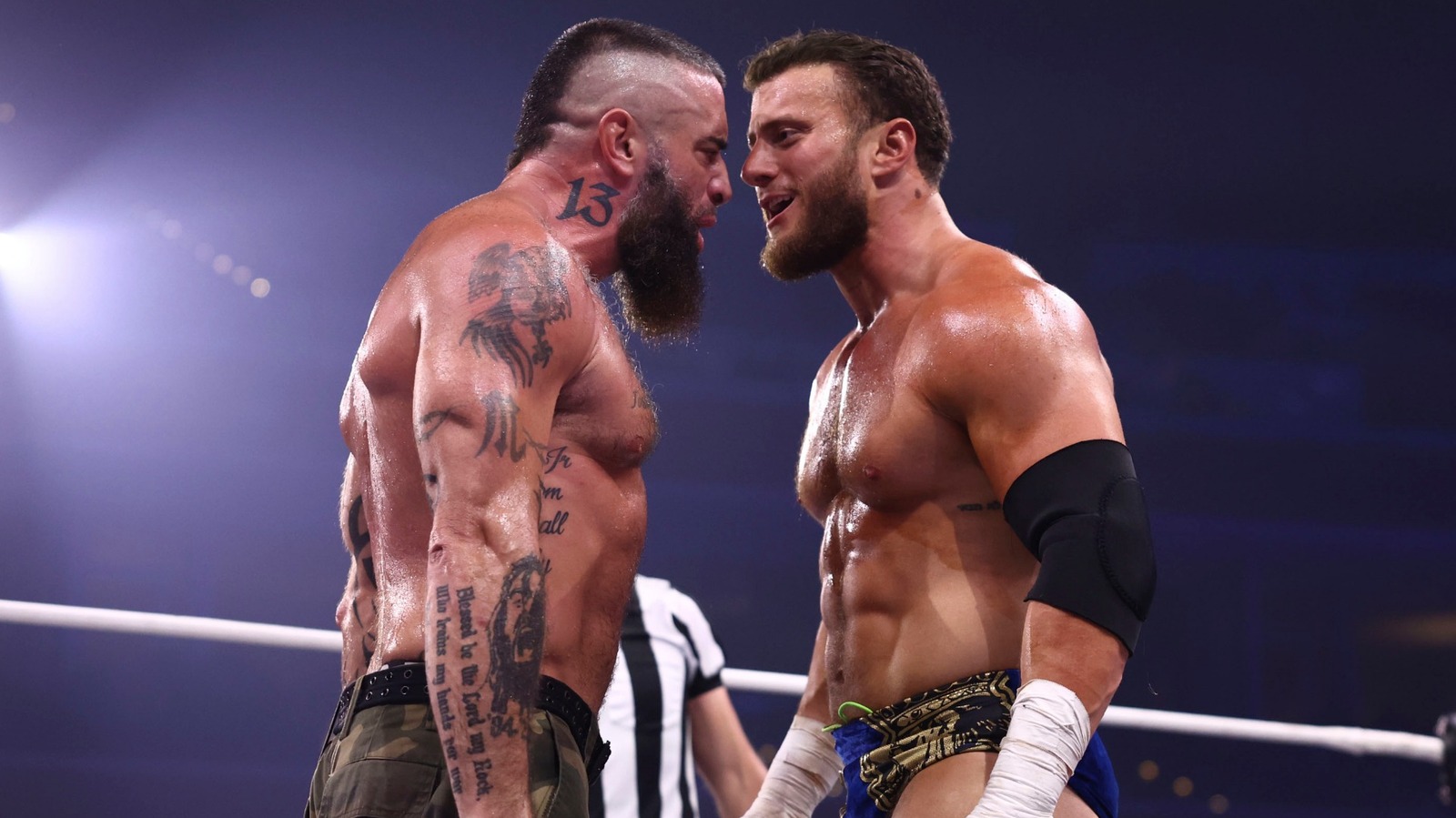
The WWE ID program is creating a logistical bottleneck for the indies
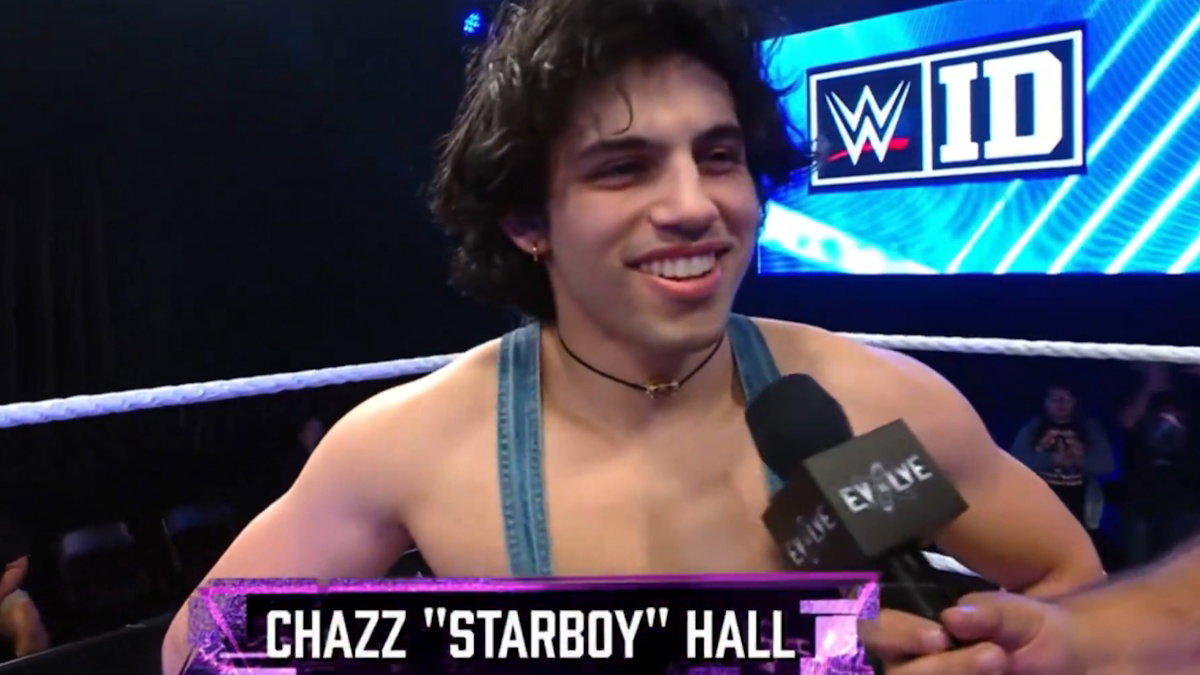
The friction between independent dates and developmental control
The recent removal of WWE ID Champion Chazz 'Starboy' Hall from the July 17 Big Time Wrestling event serves as a warning shot for the independent sector. When a promising talent is pulled from a local card due to internal contractual obligations, the industry feels the ripple effect. Aaron Solo is now left scrambling for a new opponent, and promoters are left managing the fallout of a card change that was entirely out of their control.
When developmental reach exceeds the grasp of local promoters
WWE ID is theoretically designed to bridge the gap between regional excellence and global exposure. However, the realities of this professional alignment are manifesting as rigid bureaucratic hurdles. A booking that looked solid on the calendar months ago is now a liability. Promoters operate on tight margins; they rely on specific names to move tickets in specific markets. Replacing a champion like Hall with an unadvertised talent three weeks before the bell rings is more than a mild inconvenience.
The visibility trade-off
Fans have praised the concept of a formalized pipeline for years. Seeing Chazz Starboy Hall compete under a banner that correlates with a major television partner brings undeniable prestige to Big Time Wrestling. Yet, the exclusivity clause embedded in these developmental agreements is proving to be a blunt instrument. It stifles the very independent circuit that provides the groundwork for these athletes to grow.
The danger of the missing opponent
We saw this shift occur when the promotion confirmed the change, forcing an immediate pivot in the main event hierarchy. If the primary selling point of an independent show is the appearance of a signed or sanctioned developmental talent, the promoter is essentially outsourcing their risk to a corporate office in Stamford. When that office changes its mind to protect a corporate asset, the local ecosystem suffers. The lack of flexibility in these contracts is a glaring omission for a company aiming to support the grassroots scene.
A reality check for the indie talent pipeline
Independent wrestling thrives on unpredictability, but this is the wrong kind of volatility. It is not building drama in the ring; it is creating chaos in the front office. Wrestlers in the ID program need to balance their developmental growth with the loyalty they owe to the promoters who built their early reputations. If the current trend continues, we might see fewer top-tier independents willing to put their marketing weight behind wrestlers who can be yanked away at the whim of a legal department.
We must acknowledge the cold arithmetic here: Hall’s absence is a 100% loss of the anticipated marquee draw for that July date. Wrestling is a business of trust, and when that trust is eroded by corporate mandates, the audience eventually stops gambling on smaller cards. If the WWE ID program aims to be a sustainable force rather than a parasitic one, it needs to find a protocol that allows for schedule fulfillment. Otherwise, they risk burning the bridges they claim to be building.
Funko Pop! WWE: Cody Rhodes (Hell in a Cell Gear)
Adrenaline in the soul, now in vinyl form.
Frequently Asked Questions
What happened to Chazz 'Starboy' Hall's booking at Big Time Wrestling?
How does the WWE ID program impact independent promoters?
Why is the WWE ID program seen as a potential risk to the indie scene?
What is the primary conflict between developmental goals and indie promoters?
What is the danger of relying on signed or sanctioned talent?
More Coverage
Why WWE managers are shifting targets for the next big stable
3 hours agoMiz injury status update after latest ring appearance
3 hours agoThe plastic facade: Why WWE collectors are paying for ghosts
4 hours ago
Top 10: Goldberg’s Defining Career Moments and Rivalries
4 hours ago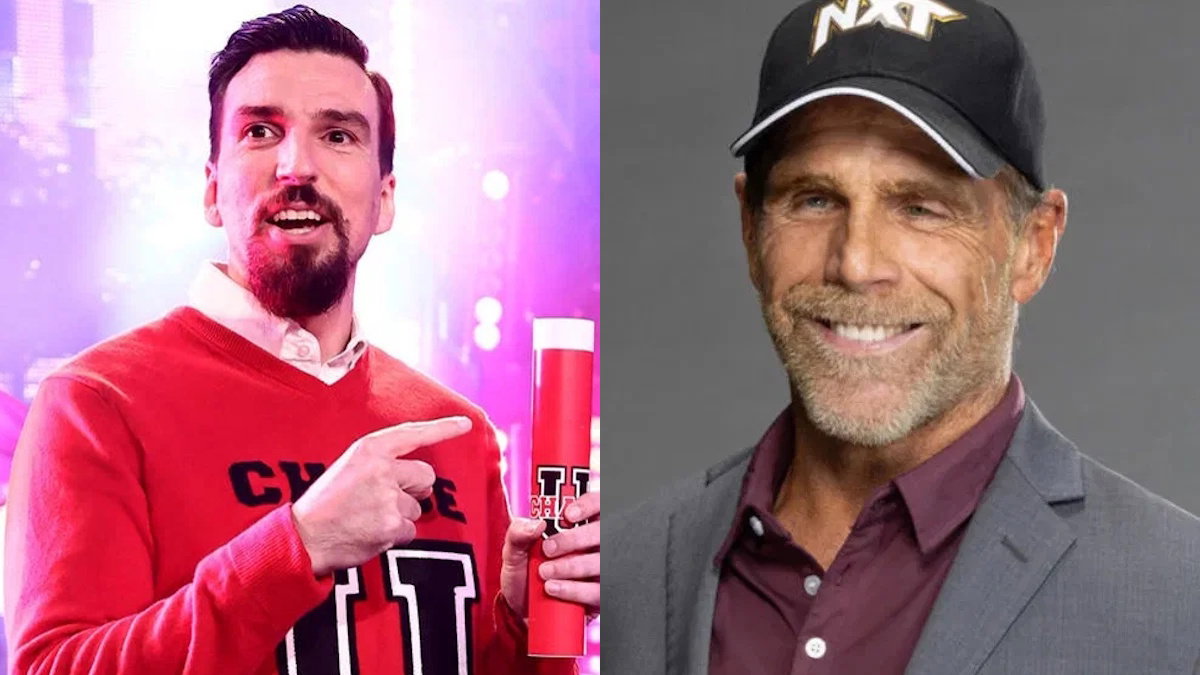
Andre Chase is spilling the tea on how WWE fumbled the bag with Chase U
4 hours ago
Why DDP’s recent medical transparency shifts the focus on veteran longevity
4 hours agoMore Analysis
Eddie Kingston's Knicks obsession is the most authentic thing in wrestling
2 hours ago
Why WWE managers are shifting targets for the next big stable
3 hours ago
The Ten Defining Wrestling Moments of the Modern Era
3 hours agoMiz injury status update after latest ring appearance
3 hours ago