The Three-Minute Miracle in New Orleans
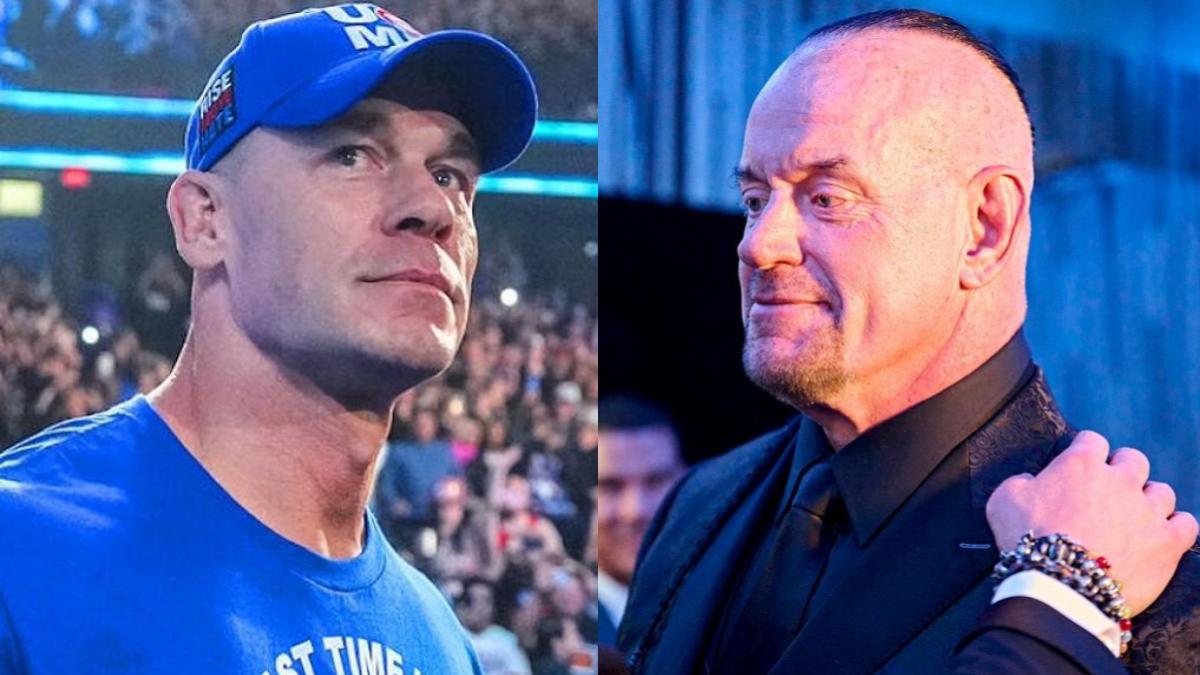
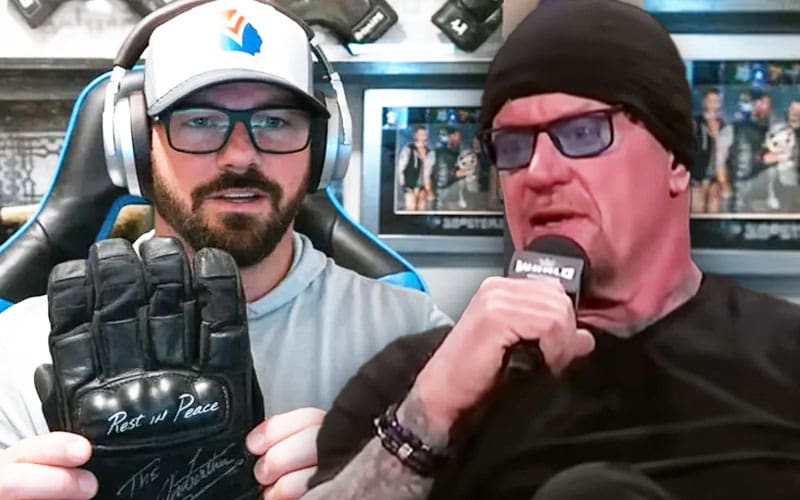
WrestleMania 34 was supposed to be the dream match a decade in the making. Instead, it was a 165-second sprint that left the Superdome in a state of confused euphoria. For years, fans wondered why two of the biggest icons in history were given less time than a standard TV bathroom break. This week, during a retrospective following Cena's farewell at WrestleMania 41, both men finally broke down the tactical decisions behind the madness.
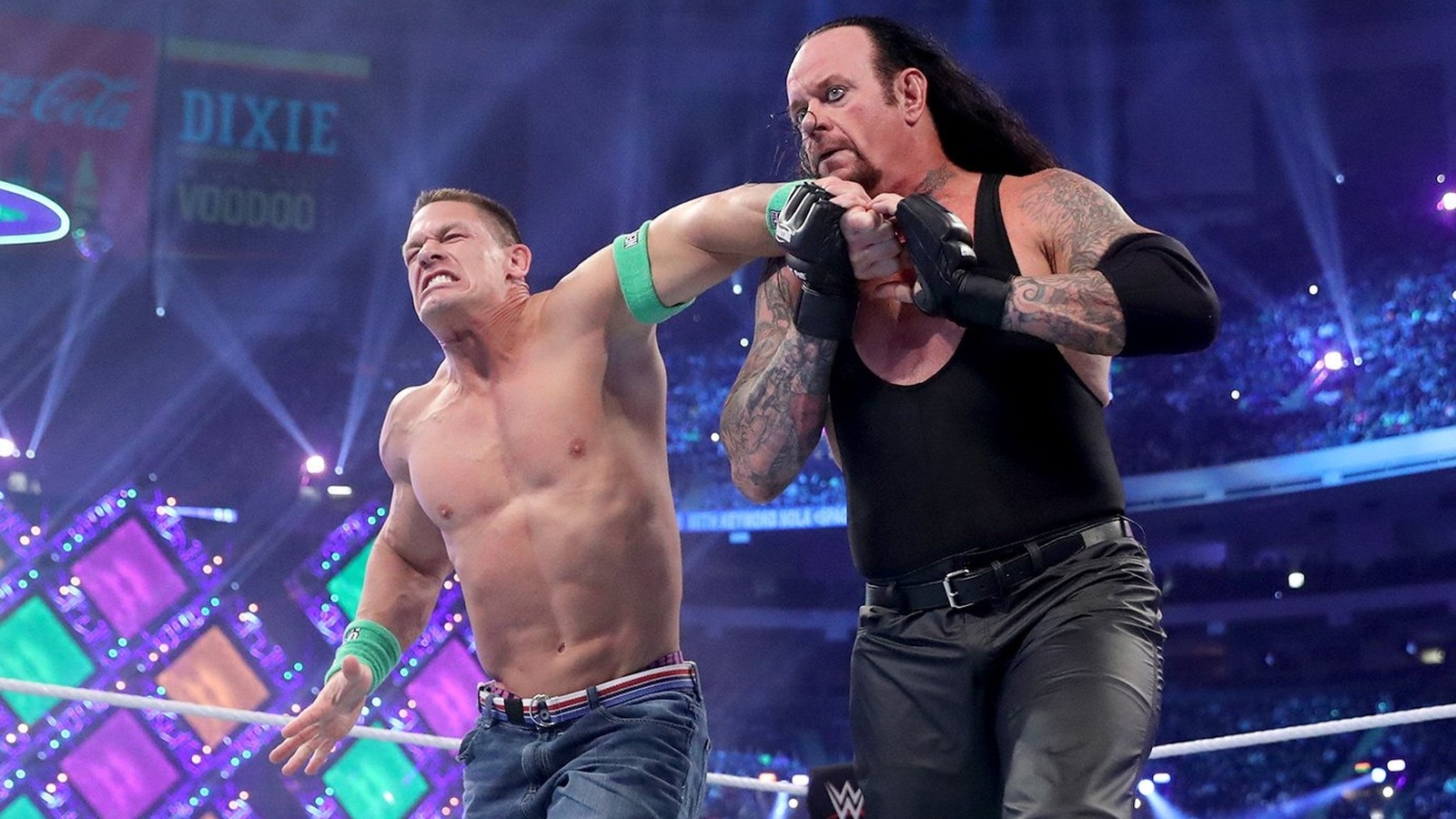
John Cena spent the first half of that night in 2018 sitting in the crowd. He was acting as a fan, nursing a beer and taking selfies, waiting for a sign that The Undertaker would actually show up. It was a bizarre piece of theater that only Cena could pull off. When the lights finally died and the gong hit, the expectations were for a classic. What we got was a total demolition. Cena now admits that the brevity wasn't a scheduling conflict—it was a necessity for the Undertaker's psyche.
The Undertaker was coming off a disastrous performance against Roman Reigns the year prior. He was broken, his hip was a mess, and his confidence was in the gutter. He didn't need a twenty-minute technical masterpiece. He needed to prove he could still be the monster. Cena, ever the company man, knew that his role wasn't to compete, but to facilitate a resurrection.
The Strategy of Getting Smoked
Cena's willingness to be squashed is one of the more underrated moments of his career. At a time when he was still the undisputed face of the company, he agreed to look like a complete amateur.
My job was to go out there and get smoked. I didn't want to take anything away from him. It was his night, and he needed to show the world that The Deadman was back.This quote from Cena highlights the internal logic of the match. If they had gone twenty minutes, the cracks in the Undertaker's physical condition would have been glaring. By keeping it under three minutes, they preserved the aura.
The match itself was a greatest hits collection. Cena tries a Five Knuckle Shuffle. Undertaker sits up. Cena looks like he has seen a ghost. A chokeslam and a Tombstone later, it was over at the 2:45 mark. It was efficient storytelling, but it remains a polarizing memory for those who paid premium prices for a ticket in New Orleans. Some felt cheated; others realized they were witnessing a calculated protection of a legend's legacy.
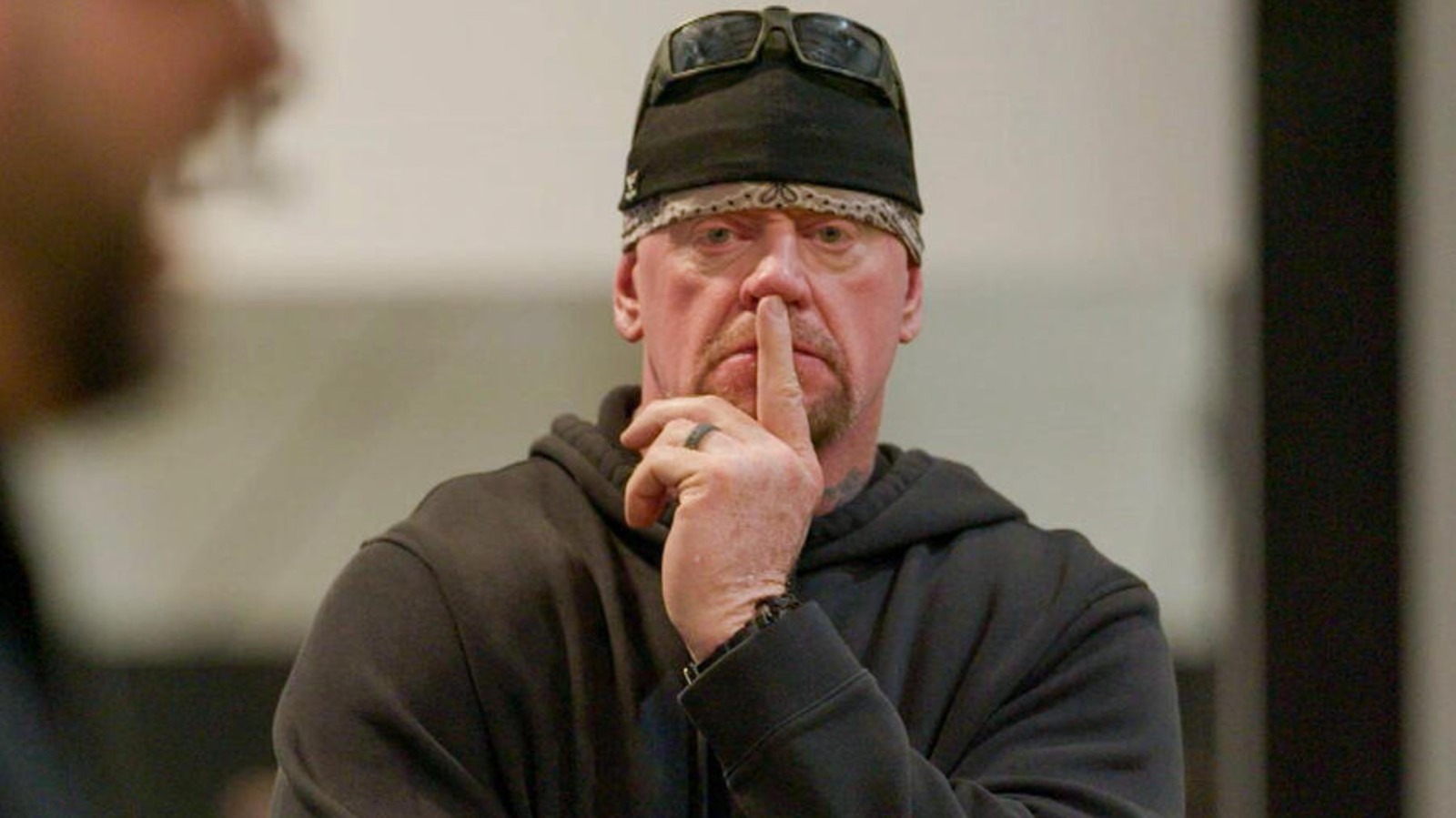
Undertaker's perspective adds a layer of vulnerability we rarely see from the character. He reveals that he was terrified of failing again. He had trained harder for those three minutes than he had for some hour-long matches. He needed to know if he could still hit his spots with precision. The speed of the match allowed him to explode with power without his endurance becoming a liability. It was a smoke-and-mirrors job executed by the two best magicians in the business.
The Negative Reality: A Missed Opportunity?
While the retrospective paints this as a masterclass in psychology, we have to be honest: it was a booking failure in terms of pure wrestling. This was the one time the world could have seen 'Prime' Cena vs. 'Healthy' Taker on the grandest stage, and the WWE waited until one was a part-timer and the other was a shell of himself. By the time they got to New Orleans, the window for a five-star match had slammed shut. They used a sledgehammer when fans wanted a scalpel.
The match felt like an apology for WrestleMania 33, but apologies rarely make for great art. Watching Cena—a 16-time champion—go down so easily felt like it cheapened his status just to rebuild a character that was already on its way out. It was a short-term fix for a long-term confidence problem. The fact that we are still talking about the length of the match in 2026 proves that it left a scar on the fans, even if it healed the Undertaker's spirit.
However, the chemistry between them in this new interview is undeniable. There is a deep, mutual respect for the 'business' of the squash. Cena mentions that he actually preferred this version of the match because it was 'different.' In an industry that often repeats itself, a three-minute main-event-level squash is a rarity. It subverted expectations, even if it didn't satisfy them.
The Legacy of the Superdome Sprint
Looking back from 2026, the WrestleMania 34 encounter serves as the bridge to the Undertaker's final run, including the Boneyard Match. It gave him the confidence to keep going for another two years. Without Cena laying down in New Orleans, we might have seen the Undertaker retire on that sour note against Reigns. Cena gave him a gift—a win so dominant that it wiped the slate clean. It was the ultimate veteran move.
The details revealed this week show that the match was edited down in real-time. There were rumors of a longer sequence involving Cena's signature moves, but the decision was made backstage just minutes before the walk: keep it fast, keep it violent. They stripped away the fat and left only the bone. It was a high-stakes gamble that saved a career while arguably denting the prestige of another.
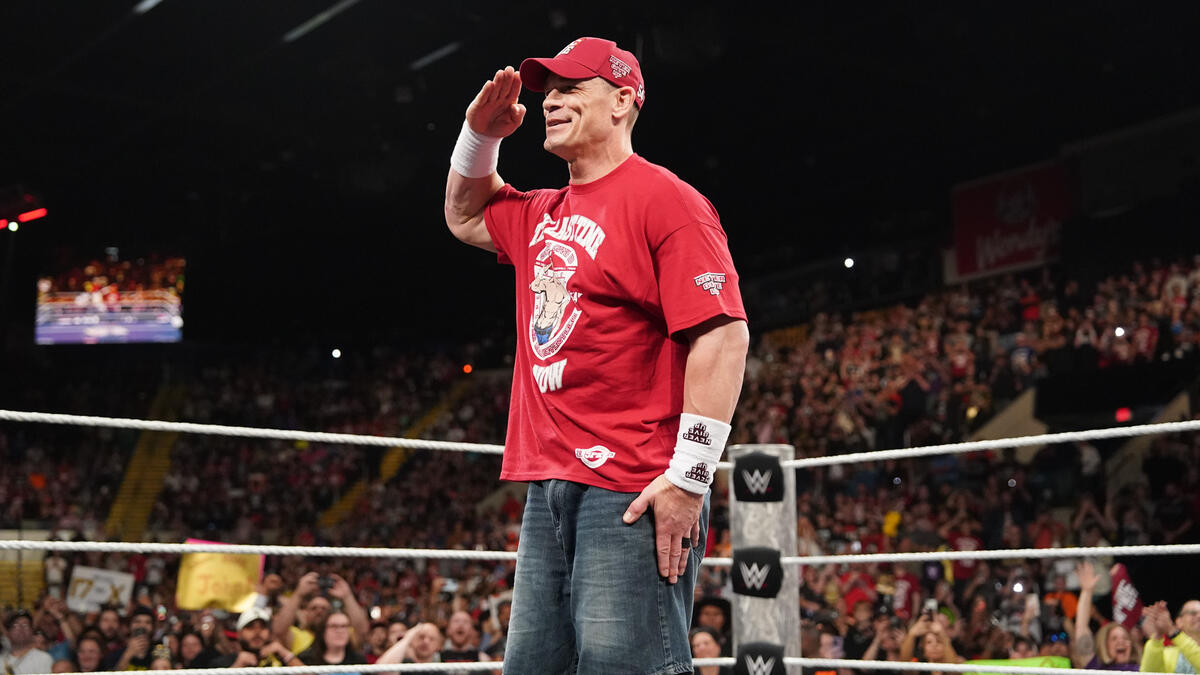
As Cena wraps up his final appearances in the ring this year, moments like this define his 'Big Match John' persona. He wasn't just about winning; he was about the narrative. If the narrative required him to be a victim, he was the best victim in the world. The Undertaker, meanwhile, remains the standard-bearer for presence. Even in a three-minute match, he commanded the room in a way that modern stars still struggle to replicate. It wasn't the match we wanted, but it was the match they needed to have.
Ultimately, the WrestleMania 34 'match' wasn't really a match at all. It was an angle. It was a closing of a chapter that had been left open and bleeding in Orlando the year before. We can argue about the quality until the 2027 season begins, but we can't argue with the impact. It allowed a legend to leave on his own terms later on, and it allowed Cena to prove he was bigger than any scoreboard. In wrestling, sometimes the most important stories are the ones that end before you're ready.
Read Next
- Hulk Hogan finally admits he stayed at the party way too long
- WWE hits the Vegas jackpot with record-breaking WrestleMania 41 gate
- Pat McAfee and Jelly Roll are waving the white flag after WrestleMania
- Ric Flair Needs to Let Charlotte Be The Queen in Peace
- 🏆 WrestleMania 41 — Full Coverage Hub
- 👴 John Cena Retirement Tour 2026