The disconnect between performers and the digital discourse
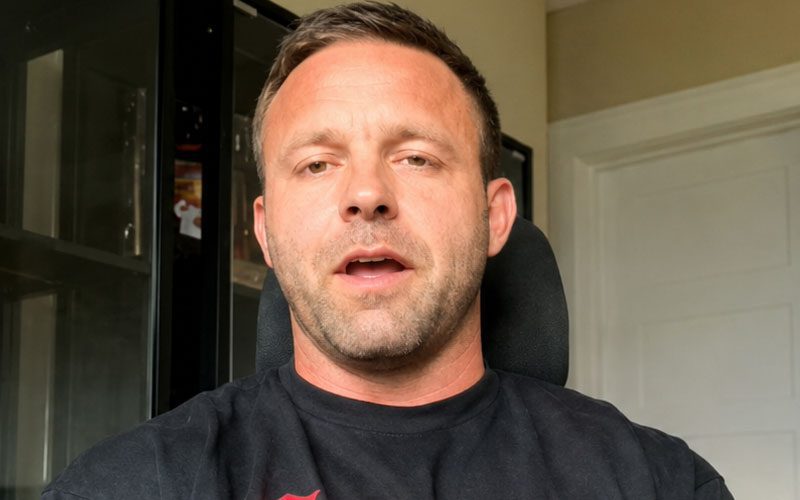
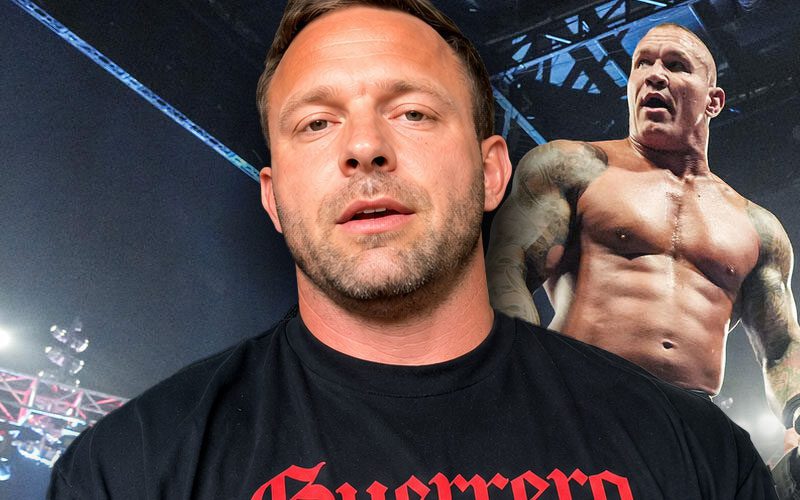
Cash Wheeler recently addressed his decision to withdraw from the noise of social media, citing the exhausting nature of engaging with wrestling trolls. Speaking to LNG Productions, Wheeler noted that spending time defending his work serves nobody. This candid admission arrives at a period where the scrutiny on AEW Collision has reached a fever pitch.
When a talent as technically proficient as Wheeler feels the need to unplug, it signals a deeper friction between the locker room and the audience. The technical foundation of his work with FTR relies on a specific rhythm: heavy tag-team psychology, a reliance on isolated limbs, and high-percentage wrestling sequences that prioritize storytelling over spot-fests. When the feedback loop from fans becomes vitriolic, it threatens the methodical pacing that defines his in-ring identity.
Tactical stagnation in the Saturday night slot
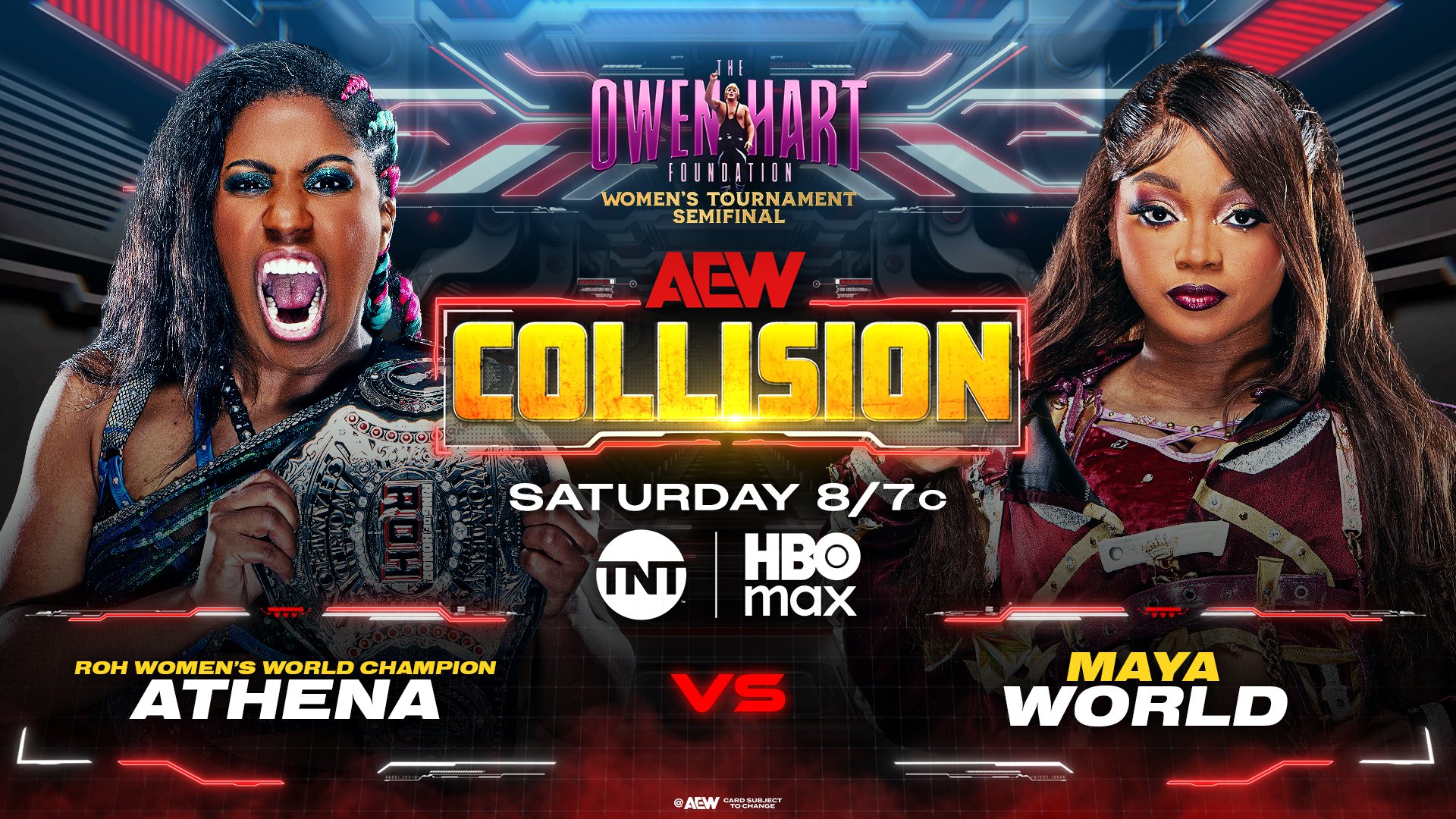
The recent analysis of AEW Collision suggests the program is currently suffering from a creative drift. As I observed during the Sugar Land tapings on June 17, the show lacks the visceral intensity that characterized its early run. The match structures have become predictable.
We are seeing the same transitions, the same ring-cut-off spots, and an alarming lack of character progression for the mid-card. If the wrestlers are focused on silencing digital critics instead of evolving their craft, the result is a product that feels static. The transition from technical wrestling to choreographic repetition is apparent in the declining engagement metrics from the recent Texas dates.
What to watch for in upcoming cards
The path forward for Collision depends on restoring the urgency of the opening bouts. In the last three weeks, the average length of the opening segment has ballooned, often sacrificing match flow for exposition. This is not how you build a Saturday night powerhouse.
Watch for whether the booking team reverts to the high-tempo, pure-wrestling aesthetic established in 2023. If the next few shows rely on interference-heavy finishes rather than clean, decisive victories, the structural issues will solidify rather than resolve. The internal pressure on the AEW roster dynamic is palpable, even if Wheeler himself is successfully tuning it out.
The prediction for the next cycle
For AEW to recapture its footing, they must empower the technicians to take risks again. By limiting their reliance on scripted segments and allowing for more improvisational sequences, the matches will regain the unpredictability that made the show essential. My prediction is that until the production team stops trying to force a narrative-heavy format onto a naturally fluid roster, the quality will remain stagnant.
Expect the creative direction to pivot toward a 50 percent increase in pure wrestling time if they hope to stave off further viewership attrition. They have the talent, but as Wheeler pointed out, the noise is getting louder; they need to perform well enough to drown it out entirely.