The Architect's Dilemma: Bully Ray's Unsparing Assessment
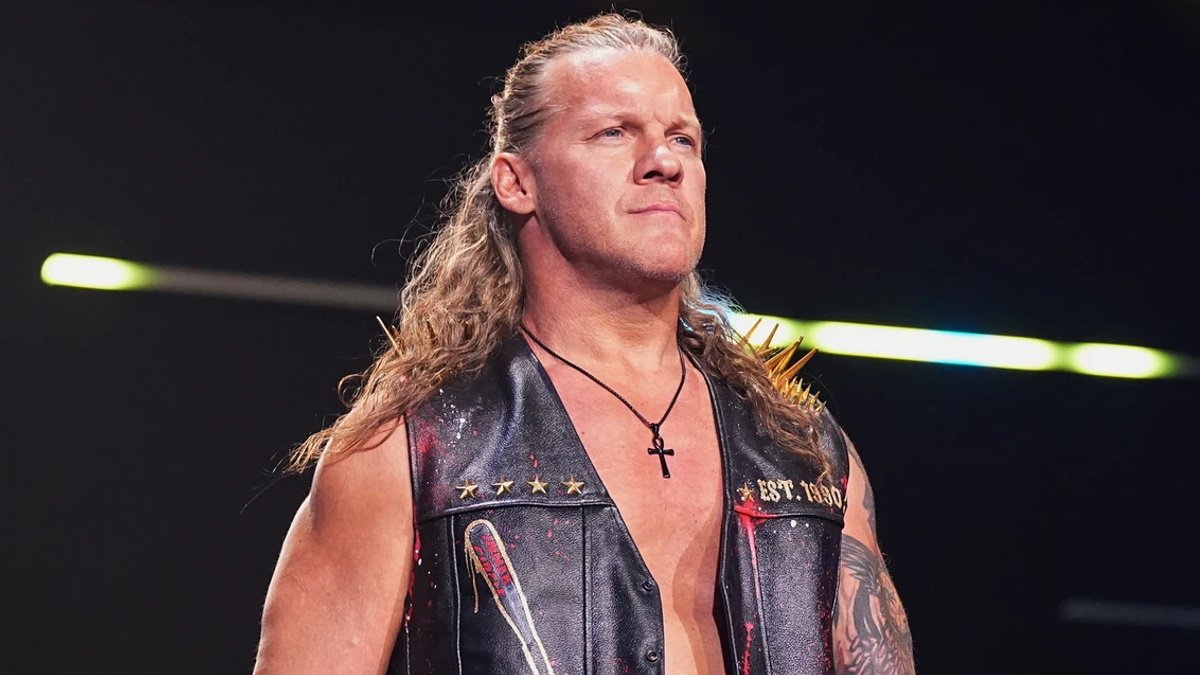
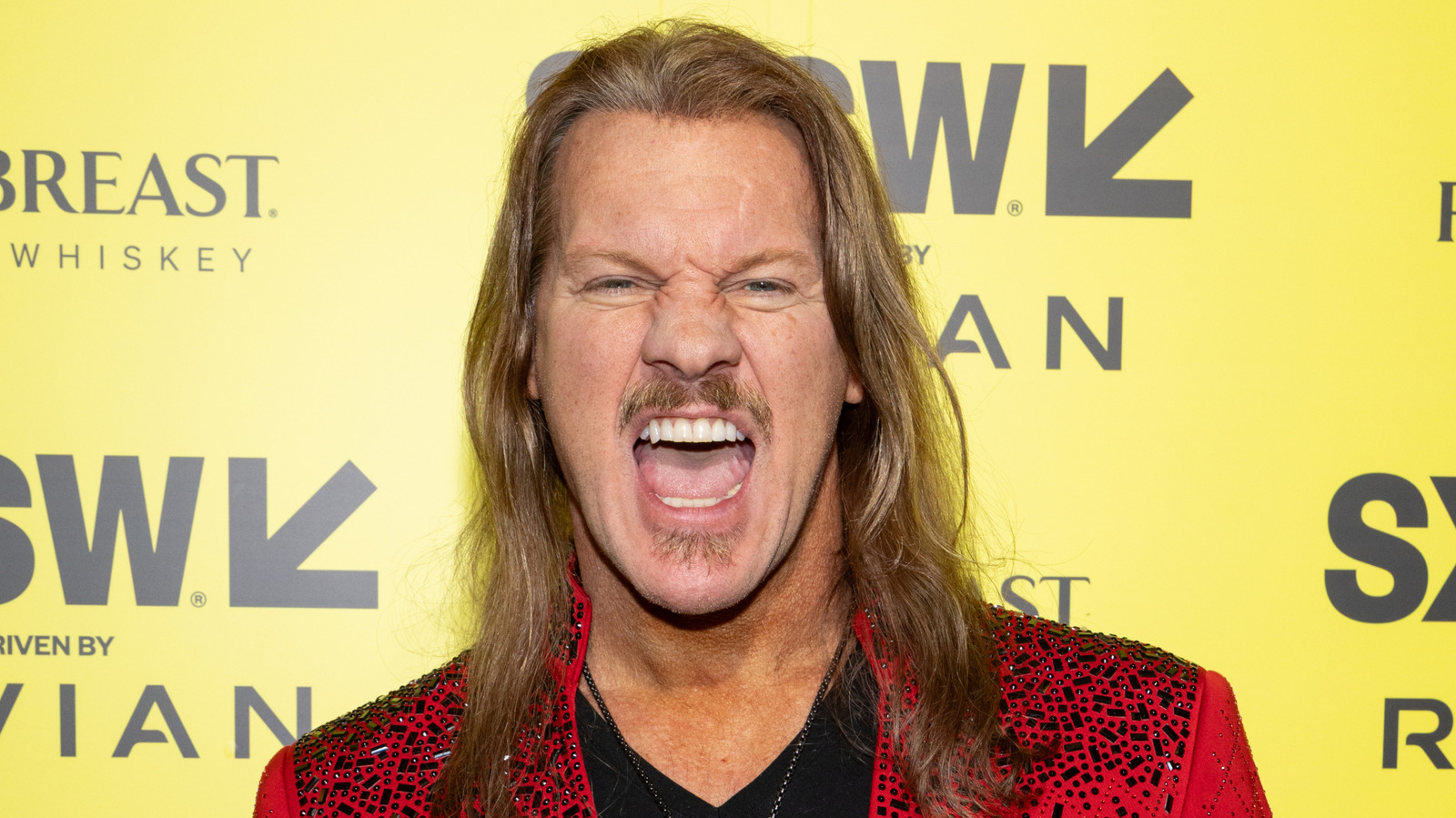
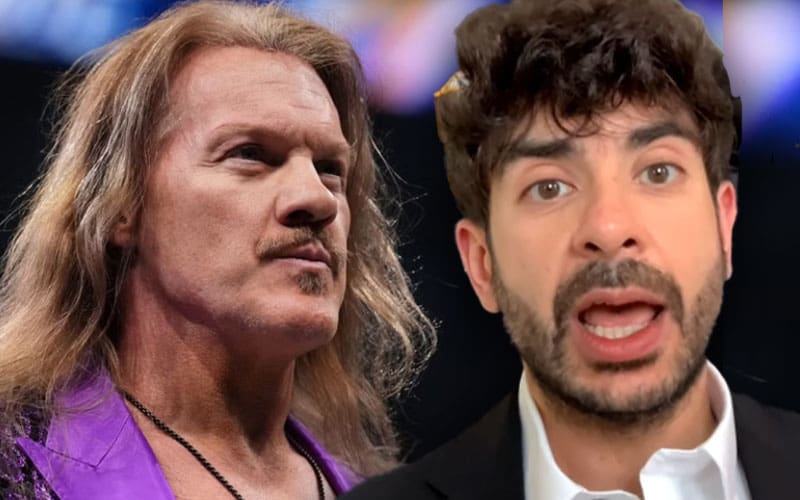
Bully Ray, a veteran with a notoriously sharp tongue and an even sharper mind for the wrestling business, has not minced words regarding Chris Jericho's decision to remain with All Elite Wrestling. His commentary isn't merely an opinion; it's a dissecting look at what he perceives as a strategic misstep, not just for Jericho's career, but for the competitive dynamic of professional wrestling itself. Ray’s perspective stems from a deep understanding of market value, competitive leverage, and the often-brutal realities of a performer’s shelf life at the top.
Ray's fundamental contention is rooted in the belief that Jericho, having been instrumental in AEW's foundation, had reached a point where his continued presence offered diminishing returns for both parties. He posits that Jericho's true value, at this juncture of his career, lay in his ability to potentially jump ship back to WWE. This move, in Ray’s estimation, would have created significant buzz, a legitimate bidding war, and ultimately, a more impactful narrative for Jericho himself.
The Unseen Hand of Leverage
In Bully Ray's world, a wrestler's power is often directly correlated with their perceived threat to leave. Chris Jericho, as a founding father and one of AEW's first marquee signings, held immense symbolic and tangible power. His decision to stay, while perhaps seen as loyalty by some, is viewed by Ray as a squandered opportunity to exert maximum leverage, both for his own financial gain and for the broader wrestling ecosystem.
The argument isn't necessarily that Jericho made the wrong personal choice, but rather that he failed to capitalize on his unique position as a top-tier talent with a credible alternative employer. This lack of market pressure, according to Ray's implicit logic, means AEW could retain Jericho without truly having to fight for him, thus normalizing a status quo that may not be optimal for competitive growth.
Jericho's AEW Journey: A Crossroad Ignored?
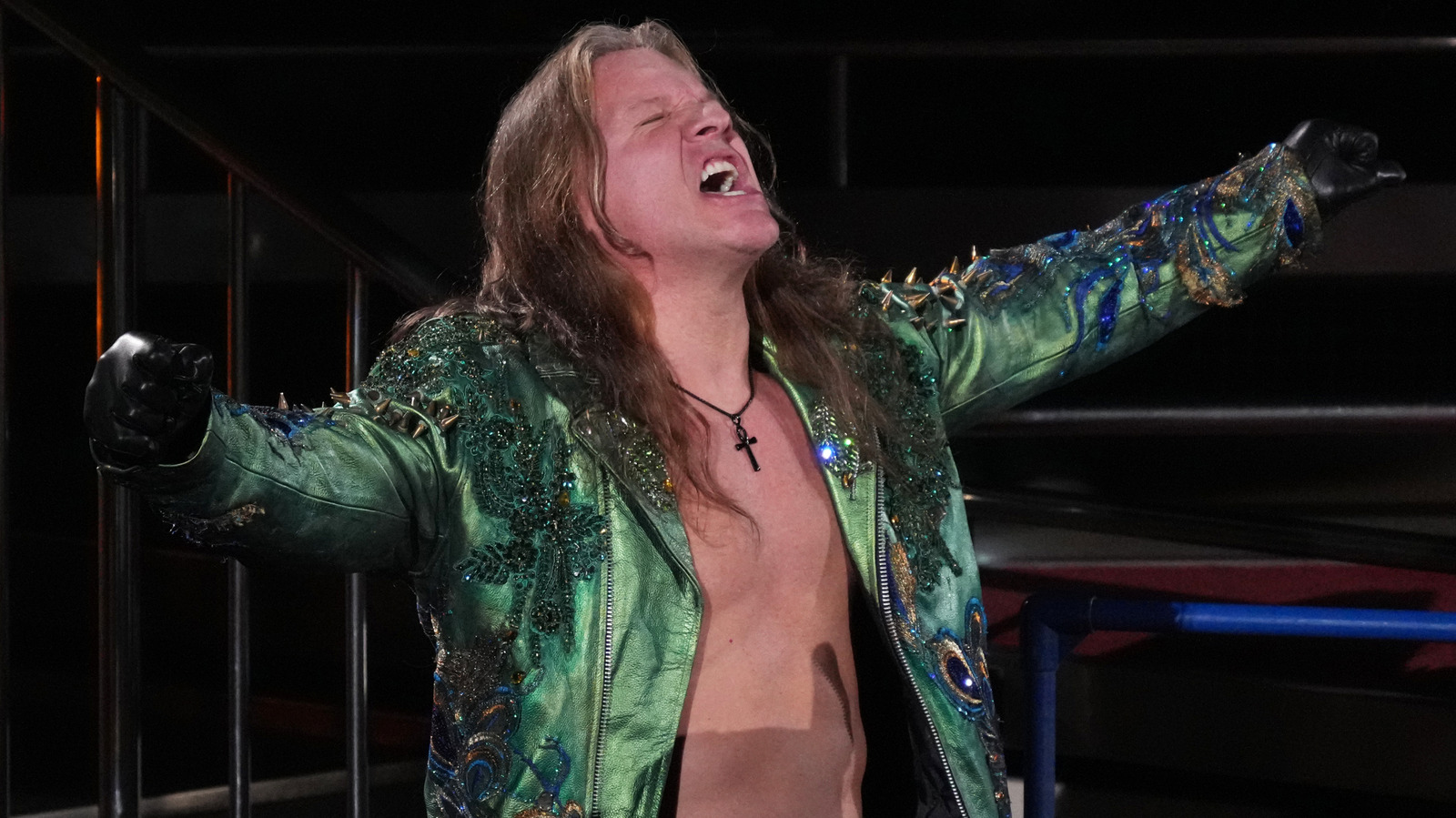
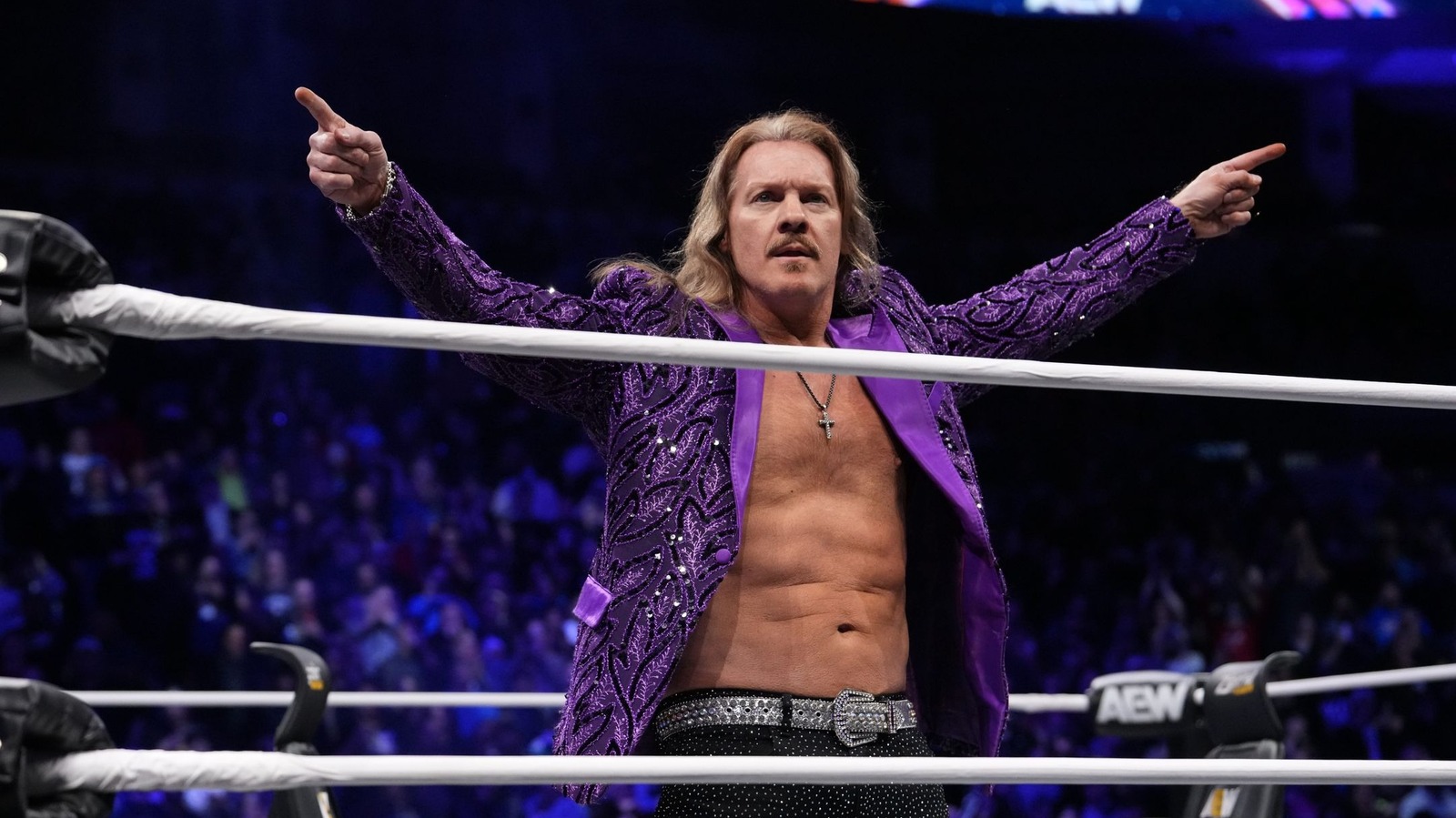
Chris Jericho arrived in AEW in 2019 as its biggest name, lending instant credibility to the nascent promotion. His initial run as AEW World Champion and leader of the Inner Circle was transformative, establishing the company's identity and providing a clear main event picture. He embraced new opponents, elevated younger talent, and consistently innovated his persona, from "Le Champion" to the "Painmaker" to the leader of the Jericho Appreciation Society.
Yet, the landscape has undeniably shifted since those early days. AEW’s roster has swelled with undeniable talent, many of whom have surpassed Jericho in terms of full-time in-ring prominence. The "newest toy" luster has faded, and while Jericho remains a significant figure, his role has evolved from undisputed top draw to respected veteran and occasional main eventer. Bully Ray’s critique suggests that this evolution, while natural, presented a strategic inflection point that Jericho opted to bypass.
The Allure of the Familiar
One can speculate on Jericho’s motivations for staying. The comfortable schedule, creative freedom, and an established role within a company he helped build are all powerful incentives. WWE, while offering larger stages, often comes with a more demanding schedule and a more tightly controlled creative environment. For a veteran like Jericho, the known comforts of AEW could easily outweigh the potential upheaval of a WWE return.
However, this perceived comfort is exactly what fuels Bully Ray’s criticism. For a performer of Jericho’s stature, settling into a comfortable, less challenging role might be seen as antithetical to the relentless drive that made him a legend. The perceived lack of a significant new challenge, the absence of fresh, high-stakes feuds against a completely different roster, forms a subtle, negative undercurrent to his continued AEW tenure.
The Long-Term Fallout for All Elite Wrestling
Jericho's decision carries implications beyond his personal career arc; it subtly impacts AEW's competitive standing and its narrative as the challenger brand. While retaining a foundational talent might seem like a win, the specific nature of this retention, as analyzed by Bully Ray, could suggest a certain complacency.
If top-tier talent, even those aging gracefully, no longer view WWE as a truly viable, high-stakes alternative due to perceived comfort in AEW, it dilutes the competitive fire that fueled AEW's inception. The entire premise of AEW was to provide an alternative, a place where wrestlers could thrive outside WWE's shadow. If the top stars aren't testing those waters, it could suggest the waters aren't as enticing elsewhere, or that the drive for new challenges has softened.
A Fading Innovator or a Wise Veteran?
Jericho's in-ring performances, while still capable of delivering strong moments, lack the consistent dynamism of his earlier AEW run. Matches sometimes feel less impactful, and his character reinventions, while initially fresh, occasionally run the risk of becoming repetitive. A critical observation could be that his recent runs, while entertaining to a segment of the fanbase, have not consistently elevated the product in the same way his first two years did. The "ocho" moniker and the various incarnations of his stable have, at times, felt like iterations rather than true evolutions, leading to a certain predictable quality.
This is not to say Jericho is no longer valuable, but his value proposition has shifted. He is now a valuable elder statesman, a gatekeeper, and a mentor. But Bully Ray's argument hints at a feeling that Jericho could have been *more* for himself and for the business by leveraging his position differently.
Prediction: A Legacy of Comfortable Stagnation for "The Ocho"
Chris Jericho’s continued tenure in AEW, while ensuring stability for the promotion, will ultimately see his later career defined more by comfortable consistency than by groundbreaking reinvention. The bold, challenging moves that characterized his prime, including his initial jump to AEW, appear to be behind him.
The competitive edge that Bully Ray champions, the constant push for greater challenges and higher stakes, will be noticeably absent from Jericho’s immediate future. Instead, fans should expect a continuation of his role as a prominent, yet perhaps not consistently main event, figure within AEW. His legacy, once marked by audacious career changes and boundary-pushing, risks a subtle erosion into that of a comfortable veteran who chose the path of least resistance rather than one last, earth-shattering gamble. This is not a judgment on his character, but an analytical assessment of the strategic choices made in the twilight of an extraordinary career.