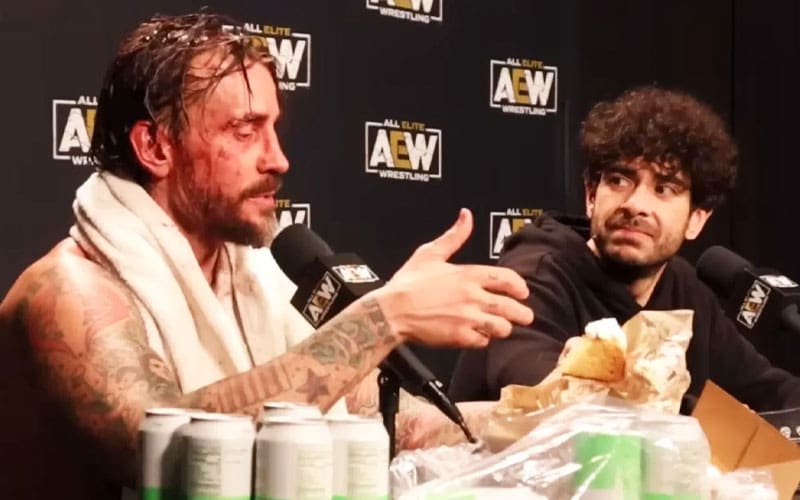
The shadow of Chicago still defines the Jacksonville boardroom
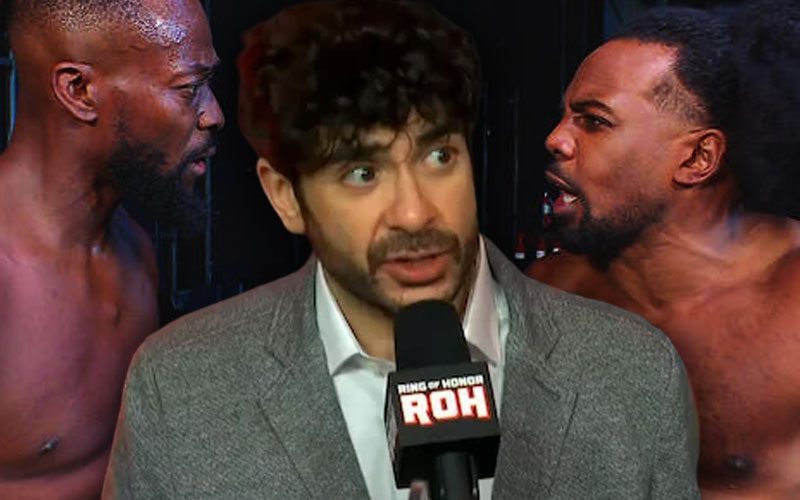
It has taken nearly four years, but Tony Khan is finally saying the quiet part out loud. In a recent interview with Ringside News, the AEW founder admitted that the chaos of All Out 2022—the night that famously ended with chairs flying and legal threats in a locker room—fundamentally altered his DNA as a promoter. For those of us who have watched the product evolve from a chaotic indie-spirit insurgent into the structured, sometimes sterile machine of 2026, this isn't news, but it is a necessary confession.
On this Wednesday, April 8, 2026, the industry is hyper-fixated on the road to Las Vegas and WrestleMania 41. WWE is operating with a terrifying level of corporate efficiency, while AEW is trying to figure out how to reclaim the 'alternative' tag it lost somewhere between the second and third iterations of its disciplinary committee. Khan's admission highlights a shift from a leadership style based on proximity and friendship to one defined by distance and litigation.
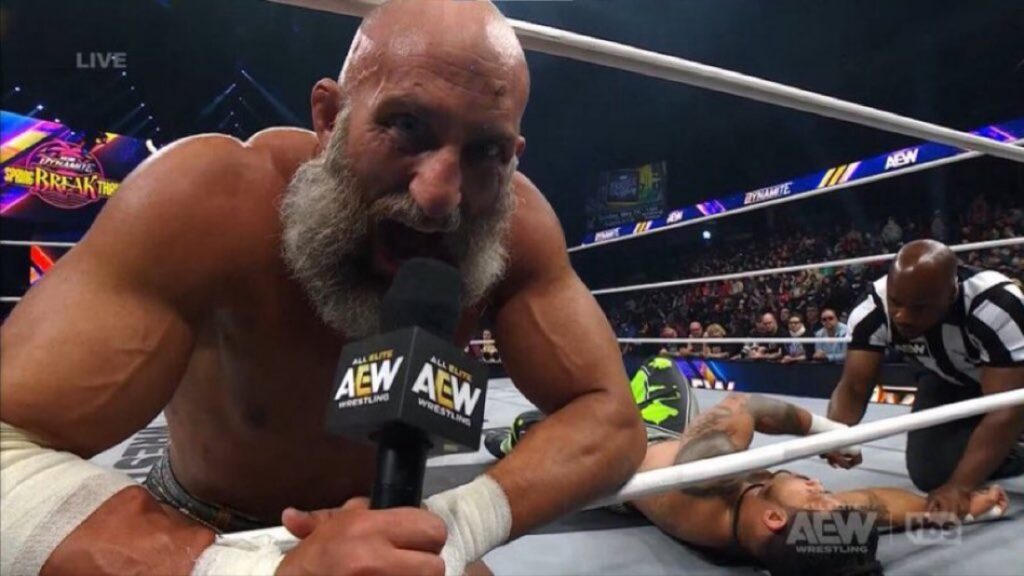
The All Out 2022 incident wasn't just a locker room scuffle between CM Punk and The Elite. It was the moment the innocence of the 'All Elite' mission statement died. Since then, we have seen the implementation of rigid NDAs, the disappearance of the unfiltered post-show media scrum, and a booking style that feels increasingly insulated from the organic noise of the live audience. Khan isn't just running a wrestling company anymore; he is managing a liability portfolio.
Tactical stagnation and the cost of corporate safety
When you look at the current AEW roster as we head toward Double or Nothing on May 24, the technical proficiency is higher than it has ever been. Will Ospreay is putting on clinics every three weeks, and MJF has transitioned into a veteran role that anchors the Wednesday night broadcasts. Yet, there is a distinct lack of the jagged edges that made the company's first three years feel like must-watch television. The 'management shift' Khan references has resulted in a product that feels safe, and in professional wrestling, safety is often the precursor to irrelevance.
The tactical shift in booking is most evident in how rivalries are structured. In 2021, we had the long-term, multi-layered psychological warfare of Hangman Page and Kenny Omega. In 2026, we get 'Dream Matches' that are announced via graphic with zero emotional stakes, usually culminating in a 22-minute epic that hits every work-rate beat but leaves the heart cold. Khan has traded the volatile, unpredictable energy of his early tenure for a predictable cadence that satisfies the data analysts but misses the mark for the fans who want to feel something dangerous.
We are seeing a bottleneck at the top of the card. Because Khan is so focused on avoiding the 'personal issues' that derailed 2022, he has become hesitant to lean into the real-life friction that historically fuels the best wrestling angles. The locker room is professional, yes, but it’s also quiet. And as Ringside News recently detailed, this shift was a direct response to the most public failure of Khan’s career. He isn't booking to win anymore; he is booking not to lose.
The Ospreay dilemma and the 2026 work-rate trap
Will Ospreay remains the most gifted athlete to ever step inside an AEW ring. His ability to hit a Hidden Blade out of a standing switch or transition a Storm Driver '91 into a near-fall at the 18th minute mark is unparalleled. But he is currently trapped in a cycle of matches that exist for the sake of the match itself. This is the 'Khan Shift' in action: if the wrestlers are just athletes competing in a sport, they won't punch each other in the face backstage during a press conference.
This sterile environment has led to a drop in the 'must-see' factor of Dynamite. On April 8, 2026, we are looking at a show that consistently delivers 8-out-of-10 matches but 3-out-of-10 segments. The promo segments feel scripted in a way they never did in 2019. Even MJF, once the king of the unscripted pipe bomb, feels like he’s working within a specific set of corporate parameters. The jaggedness has been sanded down, leaving us with a smooth, shiny surface that reflects nothing.
The critical failure of the new AEW leadership model
The most glaring flaw in Khan's new approach is the loss of the 'player-manager' dynamic that once defined AEW. By distancing himself and relying on a layer of middle management and legal buffers, Khan has lost his pulse on the locker room's true temperature. You can see it in the way certain talents have stagnated. Wardlow is still stuck in the same 'big man' loop he was in three years ago, and the women's division—despite the influx of global talent—remains an afterthought in terms of creative depth.
There is also a growing sense of frustration among the veteran talent who remember the 'old' AEW. There are whispers of a divide between the 'Vegas Era' hires and the 'Jacksonville Originals.' The originals feel the company has lost its identity, while the new hires are happy to collect the massive checks that Khan’s family fortune provides. This isn't the kind of friction that leads to great television; it's the kind of friction that leads to quiet exits when contracts expire. Khan’s focus on preventing another Brawl Out has created a different kind of rot: apathy.
AEW's television ratings have hit a plateau. While they still command a respectable 800,000 viewers on average, the growth has stopped. In a world where WWE is surging under Triple H’s creative direction, standing still is the same as moving backward. Khan’s admission that he changed his running of the company is an acknowledgment that he was broken by the events of 2022. He is a different man, and AEW is a different company. It’s just not clear if either is better for it.
Prediction for the Double or Nothing Main Event
As we look ahead to the May 24 show in Las Vegas, the direction is becoming clear. Tony Khan needs a reset, and he knows it. The current trajectory suggests we are heading toward a collision between the company’s past and its sanitized future. My prediction is that we will see Will Ospreay finally challenge MJF for the AEW World Championship in a match that will be technically perfect but narratively hollow.
Ospreay will win, and the 'work-rate' crowd will rejoice, but the broader problem will remain. Until Tony Khan stops booking with the fear of 2022 in his heart, AEW will continue to feel like a high-budget tribute to a better version of itself. The technical stats don't lie: Ospreay’s win-loss record in 2026 is a staggering 14-1, but his impact on the culture of the sport has never felt smaller. The company needs to find its teeth again, even if it means risking a few more bruises in the back.
We are just 11 days away from WrestleMania 41 Night 1. WWE is about to dominate every headline in the industry. Tony Khan’s admission this week feels like a man looking in the mirror and realizing he traded his soul for a bit of peace and quiet. Peace is fine for a business office, but it’s a death sentence for a wrestling promotion. It’s time to stop worrying about what happened in Chicago and start worrying about what isn't happening in the hearts of the fans today.
Read Next