The Machine Powers Back Up
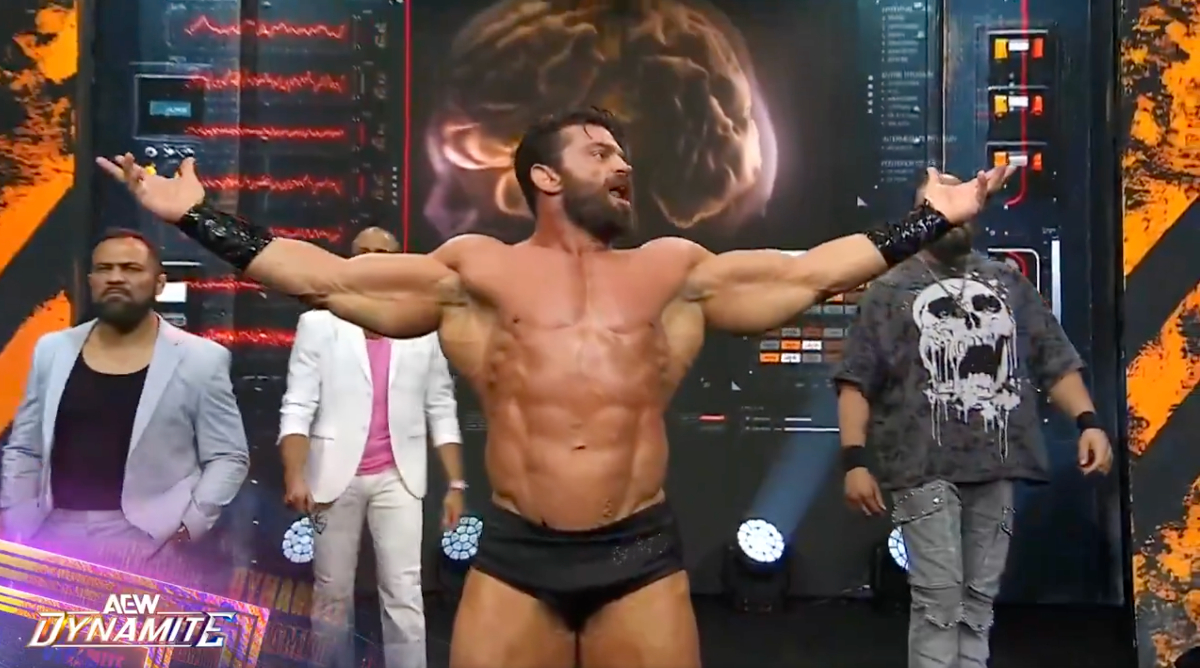
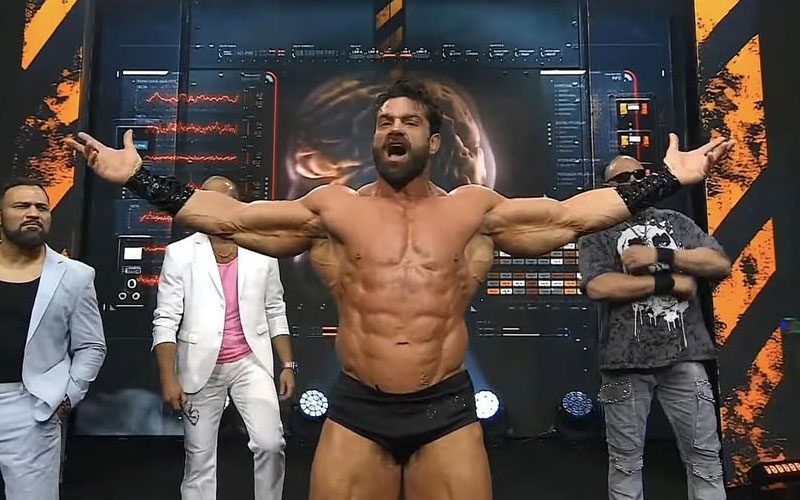
Brian Cage is finally coming back. After a frustrating stretch defined by start-and-stop recoveries and agonizing physical setbacks, a definitive return date is officially locked in. According to a recent update from Ringside News, the AEW powerhouse has been medically cleared for in-ring action, ending one of the most creatively stifling absences on the roster.
This isn't just another body returning to the locker room. Cage's extended stay on the shelf left a massive, muscle-bound void in AEW's heavy-hitter division. You don't easily replace a performer who can chain-wrestle like an indie darling while carrying the sheer density of a classic territory monster. But that exact freakish combination—the defining trait of his entire career—is likely the root cause of this miserable medical saga.
The Biomechanics of a Breakdown
To truly grasp the severity of Cage's recent absence, you have to break down his biomechanics. He isn't a plodding, ground-based giant. He executes springboard moonsaults, standing shooting star presses, and rapid-fire suplex variations that require terrifying agility. Every single time a 270-pound man defies gravity, the force generated upon landing is brutal. The human knee, ankle, and lower back are simply not engineered to repeatedly absorb the impact of a super-heavyweight moving at the velocity of a cruiserweight.
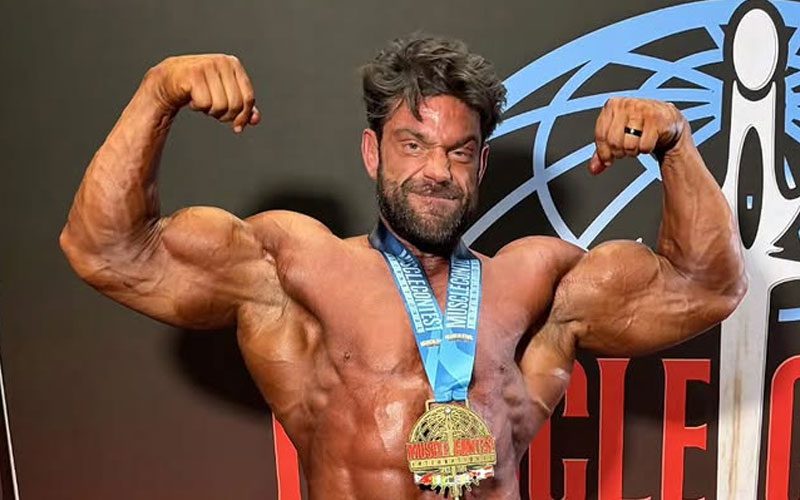
When you factor in the sheer volume of muscle mass Cage carries, the tension placed on his connective tissue is immense. Muscle bellies can grow rapidly and recover quickly with intense training and dialed-in nutrition. Tendons and ligaments, however, have significantly less blood flow and do not adapt at the same rate. This creates a dangerous physiological imbalance.
When a muscle is strong enough to generate massive torque, but the tendon anchoring it to the bone cannot handle the load, structural failure is inevitable. This is the underlying reality of the multiple setbacks reported during his rehab. Returning from this type of compounding injury isn't a straight line. You feel great, you push the weight in the gym, you hit the ropes at the Nightmare Factory, and suddenly a secondary area flares up. Why? Because the body instinctively overcompensates for the original injury.
History Repeating Itself
We have seen this exact pattern before with hyper-muscular performers. Scott Steiner in the early 2000s had to completely reconstruct his offensive output after foot and back issues robbed him of his legendary mobility. Triple H's catastrophic quad tears were a direct result of carrying maximum bulk while working an unforgiving, high-impact schedule. Batista famously battled torn triceps and hamstring tears at the peak of his run. Cage's current predicament mirrors these historical precedents with alarming accuracy.
You can only hit the Drill Claw so many times before the foundation cracks. What makes Cage's recovery particularly grueling is his reliance on explosive, zero-to-sixty power. He doesn't just lift opponents; he throws them with violent momentum. That requires a bulletproof core and flawless lower-body stabilization. If his base is compromised by even five percent, his entire moveset becomes a liability to himself and the guy taking the bump.
The medical protocol for these repeated setbacks demands a complete reset. Modern recovery isn't just about ice and rest. We are talking about PRP injections, advanced therapies, and months of unglamorous, agonizing physical therapy. It involves tedious band work, mobility drills, and targeted isolation to ensure the smaller stabilizing muscles are firing perfectly. It is frustrating work, but entirely necessary to avoid another immediate trip to the surgeon.
A Crowded AEW Locker Room
Now, look at the roster he is walking back into. AEW is a very different place today. With AEW Dynasty 2026 looming just six days away on March 30 in Kansas City, television time on Dynamite and Collision is at an absolute premium. Cage isn't stepping into a thin division desperate for a big man. The meat-slapping contingent in AEW is currently deep, aggressive, and highly protected.
Guys like Brody King, Lance Archer, Powerhouse Hobbs, and Wardlow are all vying for that same enforcer spotlight. Coming back right before a major pay-per-view presents a massive booking challenge. Does Tony Khan slot him directly into a high-profile angle, or does he run a series of squash matches on Rampage to shake off the ring rust? Given the history of his physical setbacks, throwing Cage straight into a 20-minute brawl would be promotional malpractice.
He desperately needs reps. He needs to test the structural integrity of his repairs against a live, resisting human being in front of a crowd. The chaotic speed of a televised match cannot be simulated in an empty warehouse.
Before his extended absence, Cage served as the heavy muscle for The Mogul Embassy, backing up Swerve Strickland. But that dynamic is entirely dead now. Strickland has ascended to the absolute peak of the promotion, operating on a completely different level. Cage is no longer needed as a background enforcer for a rising star. He is returning to a singles division that has moved on without him, forcing him to rebuild his entire presentation from the ground up.
This solo run adds another layer of pressure. When you are part of a dominant faction, you can hide physical limitations in six-man tag matches. You jump in, hit a few power moves, and tag out. As a solo act, the spotlight is entirely on your conditioning and your structural health. Every slight limp or hesitation will be caught on camera and analyzed.
The Necessary Evolution
This brings us to the most urgent aspect of his return: the inevitable need for a tactical adjustment. Cage has always faced valid criticism for prioritizing getting all his high spots in over telling a cohesive, psychological story. His matches often resemble a video game exhibition—impressive, but hollow. With this recent string of injuries, that approach absolutely has to die.
He cannot afford to be the guy doing standing moonsaults anymore. It's an unnecessary risk for a pop that fades in three seconds. If Cage wants to extend his career into his late 40s and justify his roster spot, he needs to study the late-career reinvention of veterans like Samoa Joe. Joe doesn't waste motion. Joe walks out of the way of high-flying spots. Joe uses his mass efficiently and brutally.
Cage needs to embrace a grounded, vicious style. He has the intimidating look to be terrifying without ever leaving his feet. If he returns and immediately tries to work like a Lucha Libre star, he is doomed to repeat this exact cycle of rehab and disappointment.
The timeline is immediate. With his return date reportedly locked, we should expect a television appearance within the next two weeks. Short-term, expect heavily protected tag team matches or quick squashes as he builds confidence in his body. Long-term, looking toward the summer schedule, Cage will eventually have to prove he can hang in a main event style match without his body betraying him.
The reality of the wrestling business is unforgiving. You are only as valuable as your availability. Cage has the raw talent, the undeniable look, and the fan connection to be a major player. But his body has handed him a final ultimatum. He must adapt the style, protect his joints, and work smarter, or spend the remaining years of his prime collecting dust in the trainer's room. The ball is in his court.