The anatomy of a modern bloodbath
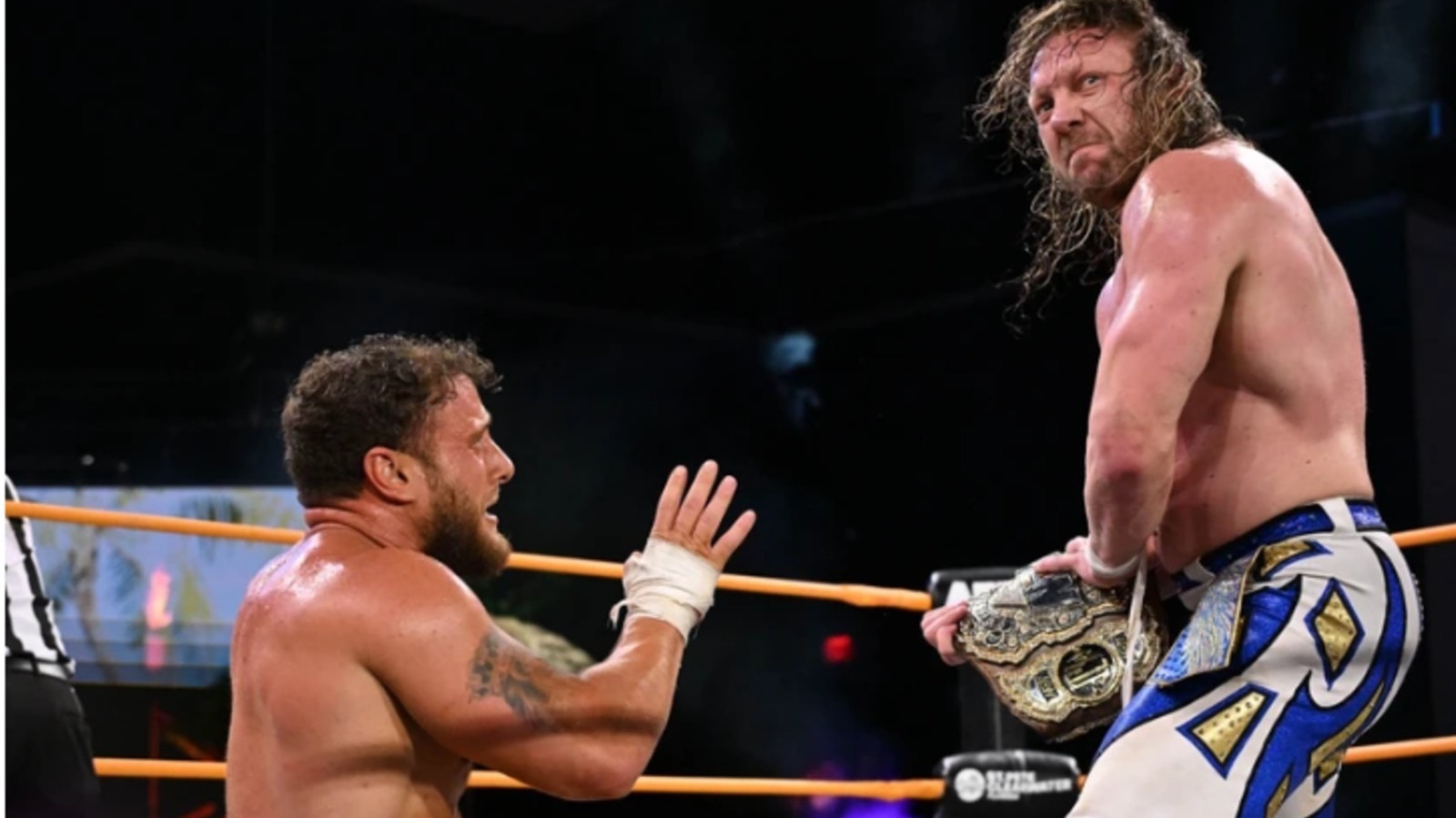
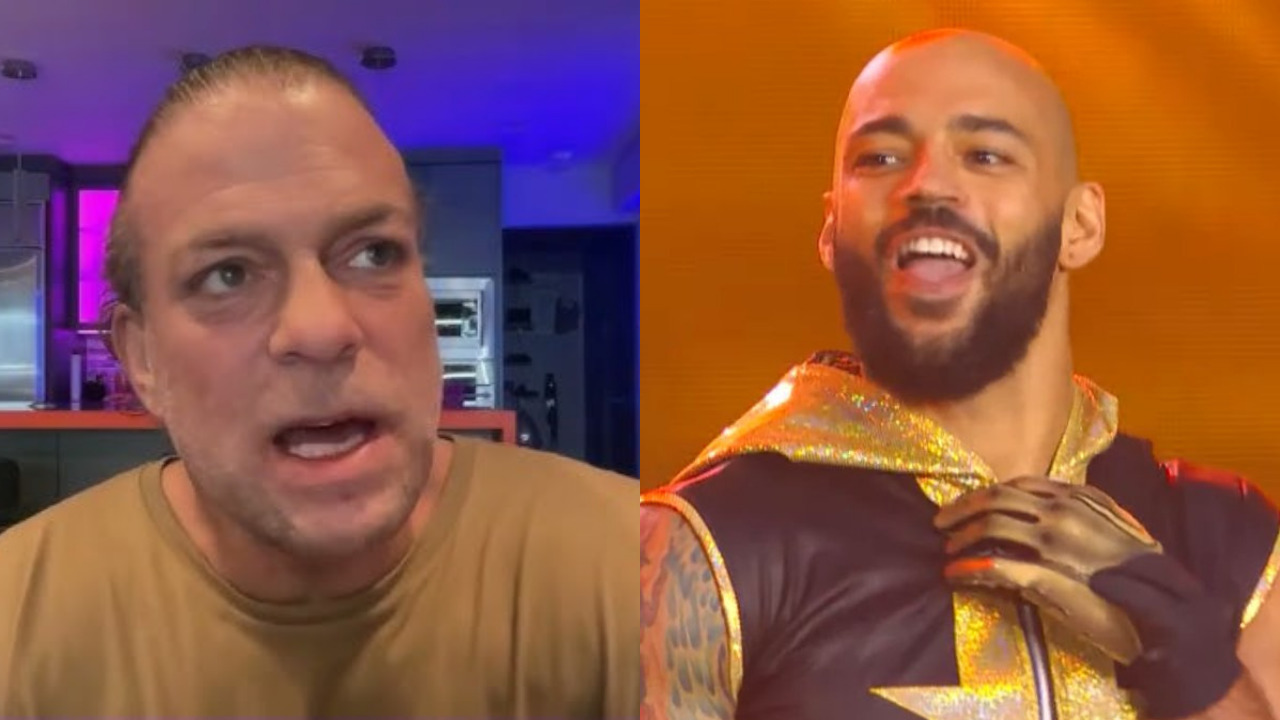
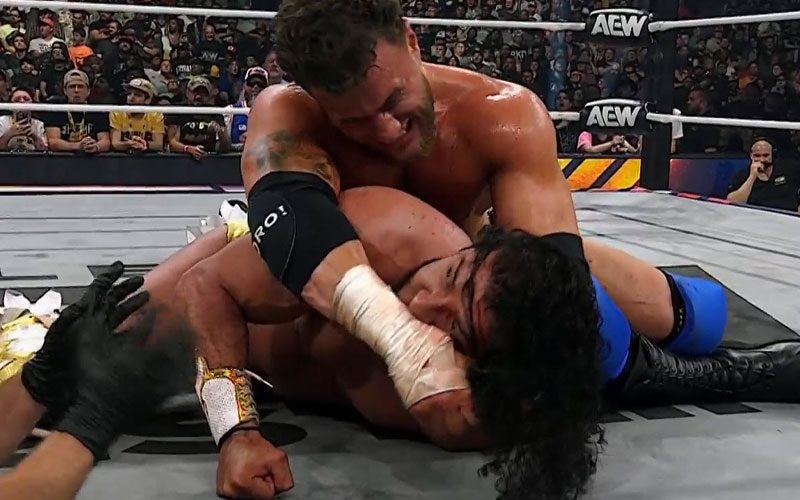
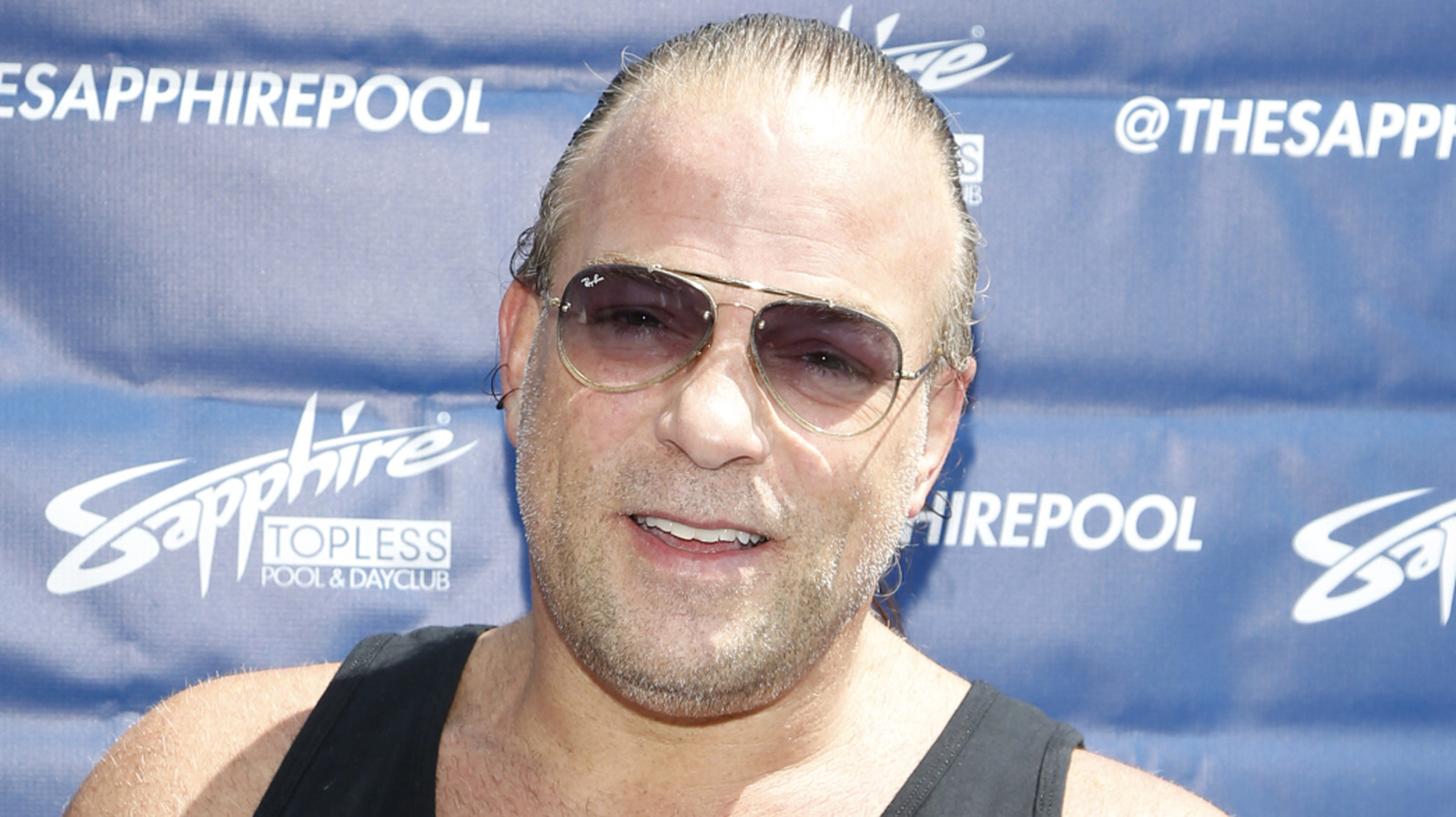
Rob Van Dam knows a thing or two about violence in a wrestling ring. So when the ECW icon looks at the recent Texas Death Match between MJF and "Hangman" Adam Page at AEW Revolution and highlights its "car crash appeal," it demands a closer look. As reported by Wrestling Inc, Van Dam's assessment cuts straight through the noise. This was not a clinic in chain wrestling or limb targeting. It was blunt force trauma masquerading as a main event.
The pacing of the bout at Revolution was entirely built around escalation. Page, leaning fully into his unhinged persona, abandoned any pretense of out-wrestling MJF within the opening three minutes. Instead, the match immediately spilled to the floor, introducing hardware before the crowd had even settled. This is a noticeable shift in how AEW formats its grudge matches.
Historically, a Texas Death Match spends its first act establishing the animosity through heavy strikes and brawling. Here, they bypassed the appetizers and went straight for the heavy artillery. The first table was introduced before the seven-minute mark.
It is a fascinating tactical choice. By accelerating the introduction of weapons, the athletes force themselves to rely on increasingly dangerous spots to maintain the crowd's interest. You cannot go back to trading wristlocks after someone has been put through a sheet of glass.
When violence replaces psychology
Here lies the fundamental problem with AEW's current approach to blood feuds. The promotion has leaned heavily into weapons-based blowoffs. The impact is suffering diminishing returns. This is not just an aesthetic critique; it is a structural flaw in the booking.
MJF is arguably the sharpest in-ring psychologist of his generation. He understands timing, pacing, and how to milk a single hold for maximum heat. Page has a catalog of beautifully paced, athletic main events. Yet, they were booked into a scenario where barbed wire and thumbtacks had to do the heavy lifting.
The violence felt obligatory rather than earned. We saw at least three near-falls that would have required a stretcher job a decade ago. Now, they are simple transition spots. When you spike someone onto a pile of thumbtacks and they are exchanging forearm strikes just 90 seconds later, you aren't building drama. You are just checking boxes on a stunt sheet.
This match highlighted a growing trend where the spectacle overshadows the story. RVD calling it a car crash is an accurate categorization. A car crash relies entirely on shock value. It does not demand sustained emotional investment.
Look at the closing stretch. The final sequence relied on three consecutive weapon shots to the head, completely bypassing the established finishing moves that both men have spent years getting over. The Salt of the Earth armbar was nowhere to be seen. The Buckshot Lariat was attempted once, countered, and then abandoned in favor of more blunt instruments.
A breakdown of flawed tactics
Let’s break down the actual tape from the second quarter of the match. Around the 12-minute mark, there was a sequence that perfectly encapsulated the structural issues. Page initiated a heavy exchange of forearms in the center of the ring. MJF, normally a master of creating distance when he's outgunned, stood his ground.
This is bad tactics. MJF does not win striking battles against a man with Page’s mass and velocity. He should have been looking for an eye rake, a low blow, or a quick exit to the floor. Instead, he leaned into the brawl, eventually eating a massive lariat that turned him inside out.
Why did he do this? Because the structure of the Texas Death Match demanded it. The gimmick forced a brilliant defensive wrestler to abandon his entire playbook in favor of crowd-pleasing violence. It neutralized MJF's greatest asset: his ring IQ.
Contrast this with how classic brawlers approached these stipulations. Think about the way Steve Austin or Mick Foley would pace a no-disqualification match. They used the weapons to buy time, to create openings, not just to pop the crowd. When Page and MJF introduced weapons, it felt like they were simply moving to the next scheduled spot on the run sheet.
Let's look closely at Page's offensive sequences. His entire game plan seemed predicated on swinging for the fences early and often. He didn't work over a body part to set up his finish. He just threw bombs. There was a moment near the turnbuckle where he had MJF trapped, and instead of applying a wearing submission to drain the champion's stamina, he opted to smash a trash can over his head.
While visually spectacular, it represents a severe lack of focus. A trash can shot hurts, but a targeted attack on the knee pays dividends for the entire match. Page allowed his anger to dictate his strategy, and it cost him control of the pace.
MJF was equally guilty of tactical blunders. His defensive awareness, usually his calling card, vanished entirely. At one point, he attempted a high-risk dive to the outside, a move completely foreign to his standard repertoire. It was a desperation play from a man who usually thrives on calculated patience. When a wrestler abandons their core competency just to fit the theme of the match, the psychology crumbles.
The toll on the body and the roster
Beyond the narrative critique, there is a legitimate physical toll to consider. We are sitting here on March 24, 2026. These men put themselves through a woodchipper at Revolution. The human body is not designed to absorb that level of punishment, regardless of how well you learn to fall.
This creates a ripple effect down the rest of the card. If the main event features a man being thrown through a flaming table, what are the opening match performers supposed to do to get a reaction? They are forced to work faster and take bigger bumps just to get a polite golf clap from an exhausted audience.
The pacing issues were glaring during the setup phases. There were multiple instances where the action ground to a halt while one competitor painstakingly arranged a table or set up a pile of chairs. The camera awkwardly held on the victim, who had to lie perfectly still and pretend to be incapacitated while the elaborate trap was constructed.
This shatters the suspension of disbelief. In a real fight, if your opponent turns their back for 15 seconds to unfold a table, you get up and hit them from behind. By slowing the match down to arrange the furniture, they allowed the audience to see the strings. It became a cooperative stunt show rather than a bitter grudge match.
Looking toward AEW Dynasty
With AEW Dynasty looming in Kansas City just six days from now on March 30, the immediate question is how the promotion recalibrates. You cannot realistically follow a Texas Death Match with a standard singles bout without it feeling like a massive step down in intensity.
This is where Tony Khan's booking has backed itself into a corner. By playing the car crash card at Revolution, the stakes for Dynasty are unnaturally distorted. The fans in Kansas City are going to expect a level of carnage that simply isn't sustainable on a monthly basis.
If either man is on the card next week, they need to return to fundamentals. MJF needs to remind the audience that he can dismantle an opponent by targeting a joint, not just by swinging a chair. Page needs to find the nuance in his aggression, funneling his rage into high-impact wrestling maneuvers rather than relying on plunder.
Prediction for Dynasty: Expect a sharp pivot away from the hardcore style. We will likely see a heavy emphasis on technical clinics in the undercard to reset the palate. As for MJF and Page, if they appear, it will be in a heavily protected tag team environment where the damage can be mitigated. The bill for Revolution has come due. AEW has to pay it by slowing things down.
Read Next
- AEW Dynasty faces a massive Toni Storm problem after shock news
- Road Dogg to AEW is the rumor that refuses to go away
- AEW Dynasty is a powder keg ready to blow
- AEW Dynasty is the company's most important test in years
- ⚡ AEW Dynasty 2026 — Full Coverage Hub
- 🎲 AEW Double or Nothing 2026 — Full Coverage Hub