The weekend that shifted the tag team balance
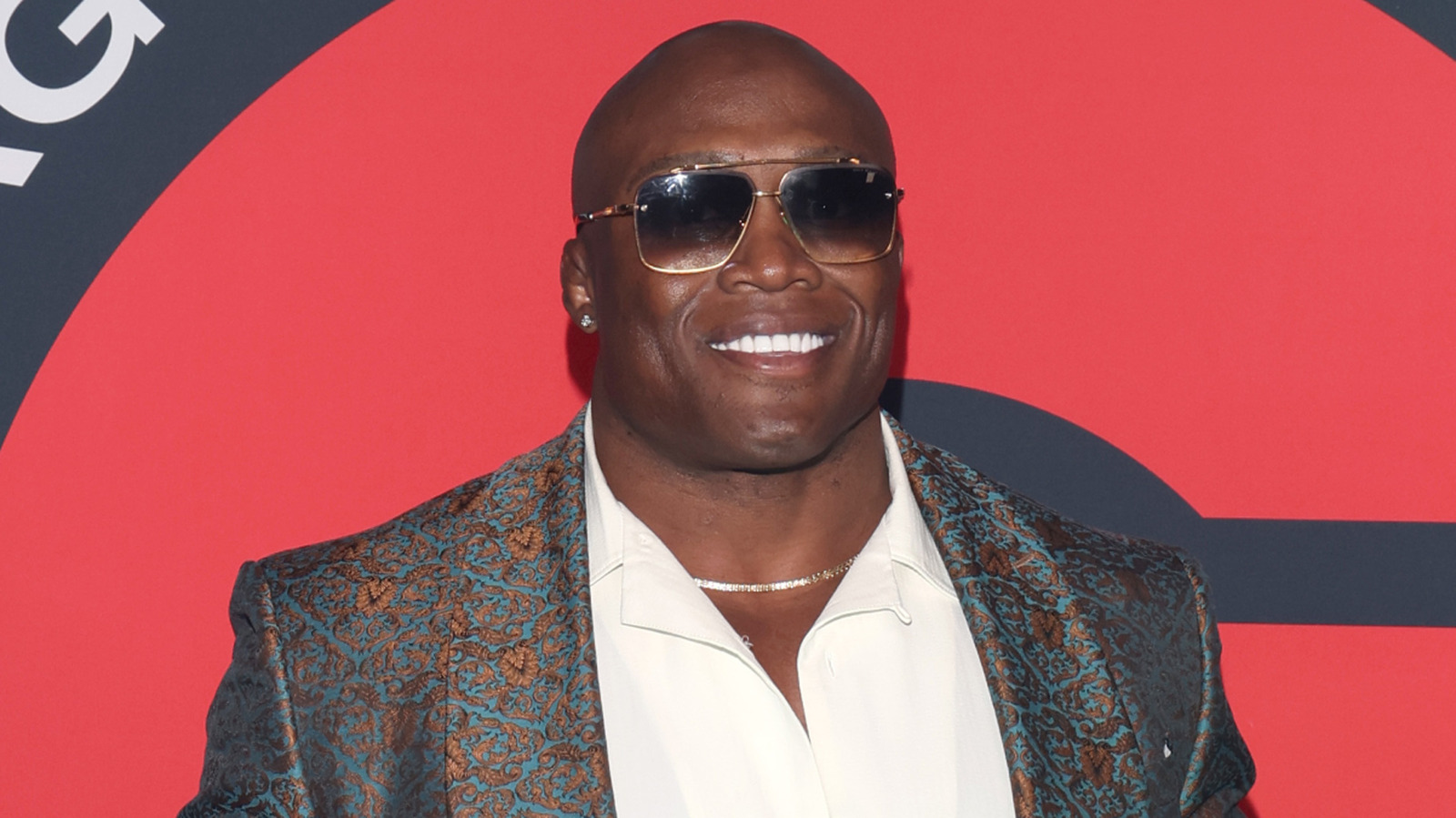
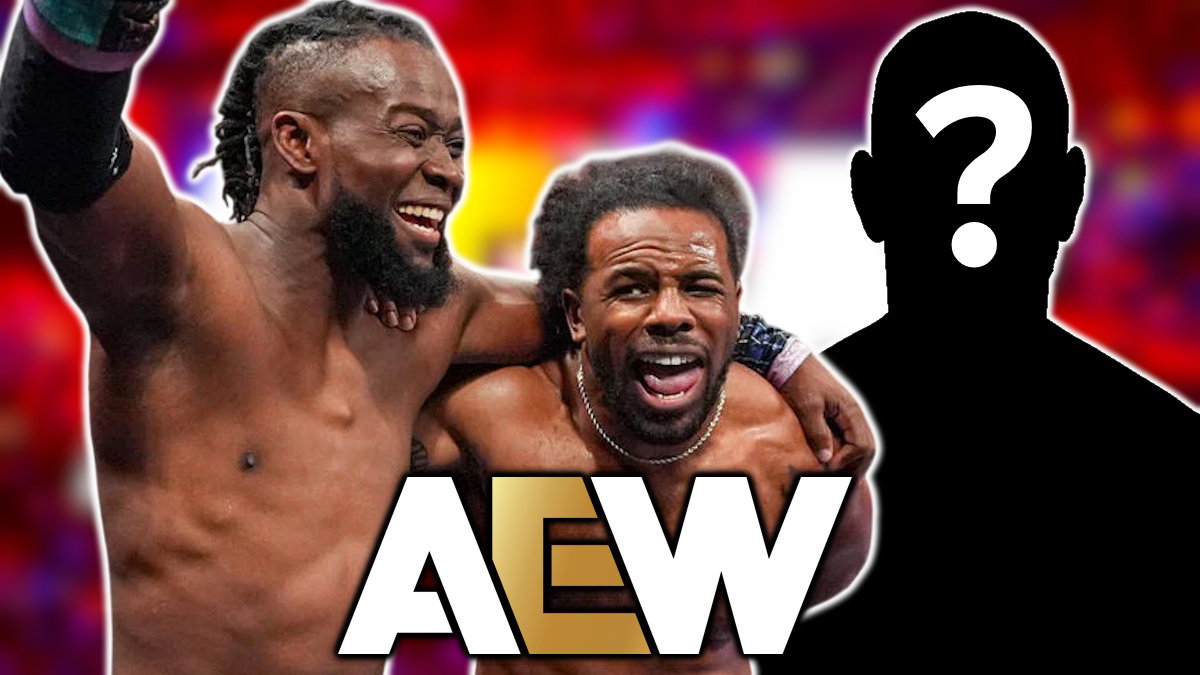
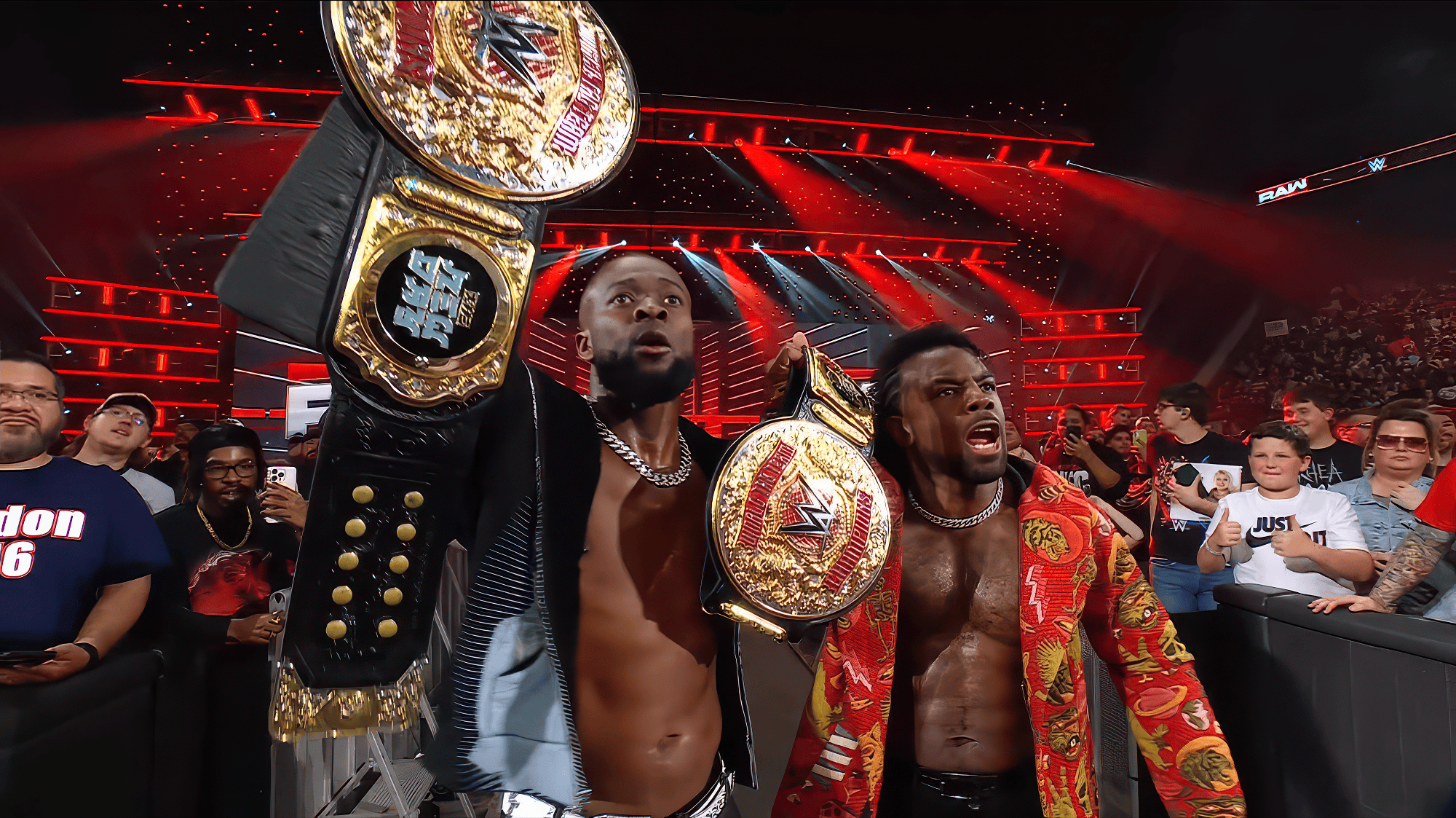
Kofi Kingston and Xavier Woods walking away from WWE over the weekend feels like a glitch in the matrix. For a decade, The New Day was the reliable engine of WWE's tag team division and a merchandise juggernaut. Now, they are free agents. Bobby Lashley did not mince words when discussing the departure, explicitly calling it a "fumble" by WWE management. He's entirely correct about the optics, but the business reality of this situation requires a deeper examination.
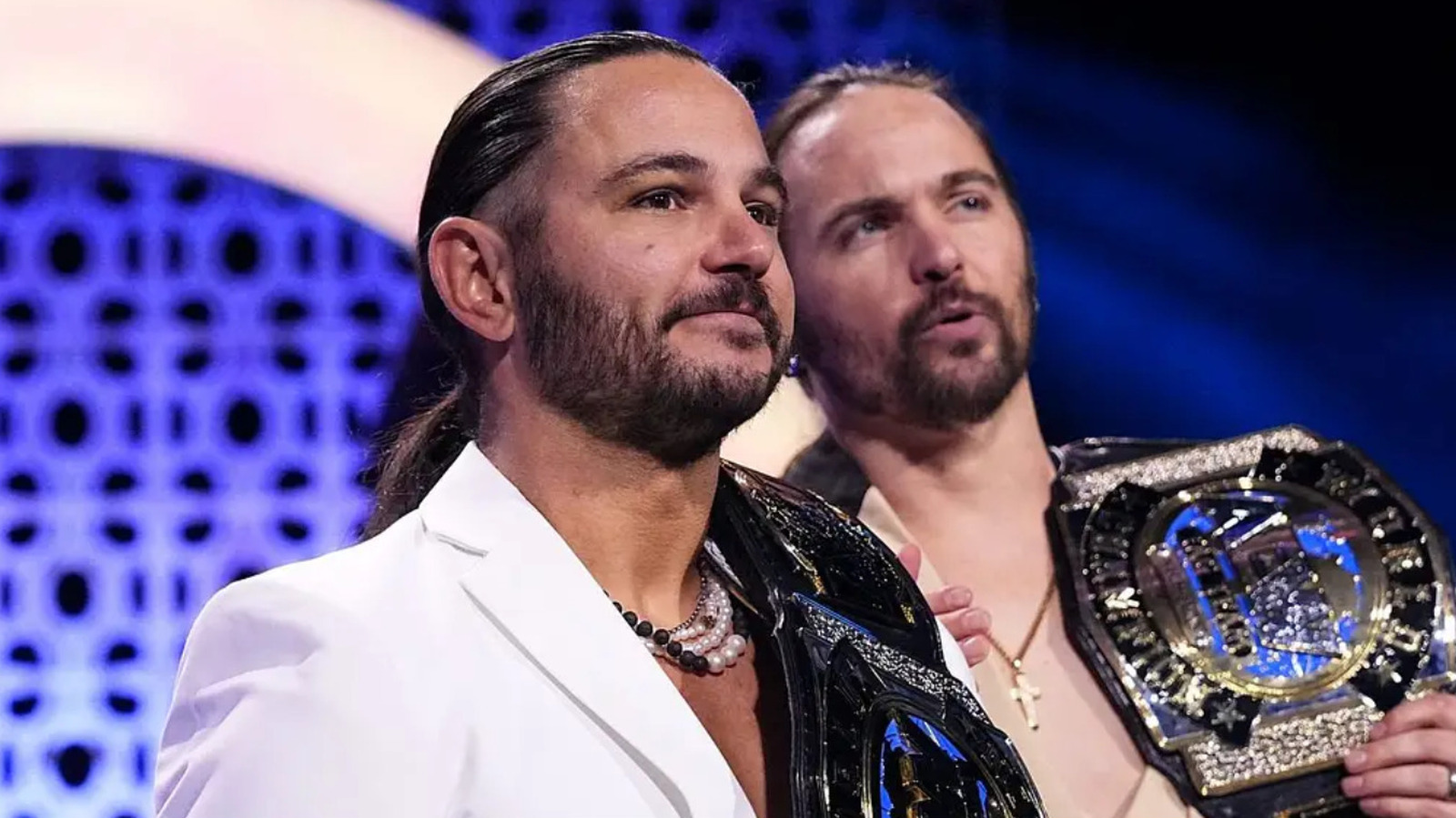
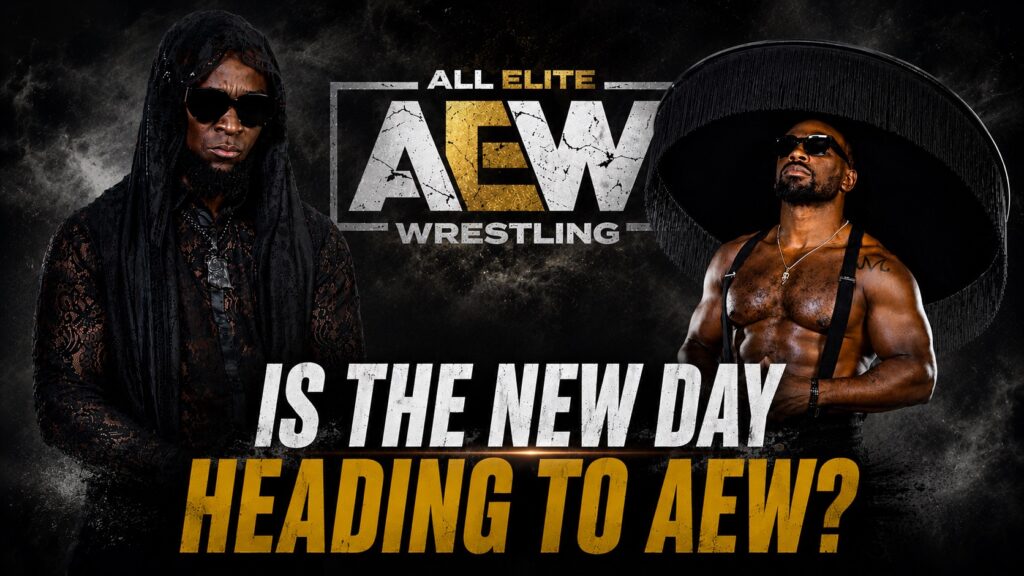
Lashley, who successfully navigated his own jump to Tony Khan's roster, pointed out the immediate consequence. He noted that AEW’s tag division could suddenly become "really strong" with their addition. That is a massive understatement. If Kingston and Woods land in Jacksonville, it completely rewrites the expectations for tag team wrestling on national television. It shifts the balance of power in a very specific, targeted demographic.
But how did we actually arrive at this breaking point? For the last two years, WWE's creative direction for The New Day had noticeably flatlined. The act that routinely topped the company's merchandise charts for half a decade had been relegated to cyclical mid-card feuds. The trombone solos and pancake tossing felt like echoes of 2016 rather than fresh television. Yet, letting them walk still represents a massive unforced error by the front office.
You have to consider the institutional knowledge walking out the door. Kingston is a former WWE Champion who organically forced the company to change its WrestleMania plans through sheer crowd reaction. Woods is arguably one of the most gifted communicators in the industry. Losing that locker room presence hurts, regardless of what the spreadsheets say about their recent segment ratings.
Why WWE will feel the sting of this mistake
You do not simply replace a decade of baked-in crowd connection. As Lashley observed about the ripple effects across the industry:
"This is a horrible move, but it could be a great move for someone else."
WWE's mistake isn't just losing two talented workers. The error is handing a direct competitor a ready-made, main-event caliber act that requires zero introductory build. The audience already cares.
Look at the metrics from their recent runs. Even in their stagnant final months on Raw, Kingston and Woods reliably spiked quarter-hour ratings when placed in high-stakes matches. They possess a rare demographic crossover appeal that advertisers love. WWE's current tag division, while mechanically solid, lacks a babyface team with that level of inherent, unshakeable goodwill.
There is also the massive, looming factor of Woods' digital empire. His UpUpDownDown gaming channel was a massive digital asset that brought outside eyes to the WWE product. Untangling that intellectual property, or worse, watching Woods launch a spiritually identical platform outside the corporate umbrella, is a significant loss in digital footprint. It is a fumble of secondary revenue streams.
However, we must be critical of the duo's recent in-ring output. Let's not pretend every match they wrestled in 2025 was a classic. The pacing of their bouts had grown extremely predictable. The prolonged heat segment on Woods leading to the explosive hot tag to Kingston followed a rigid, tired formula. WWE clearly calculated that their absolute best days were behind them. The company bet that their contract demands did not match the projected return on investment. Lashley disagrees, and frankly, the track record of motivated, newly freed talent suggests WWE miscalculated the value of spite.
The AEW tag division desperately needs this injection
AEW built its early critical reputation on having the best, most innovative tag team wrestling on the planet. That reputation has eroded severely over the last two years. Booking inconsistencies, poorly timed injuries, and a shifting focus toward singles stars left the tag titles feeling like a secondary prize. Lashley's assertion that the division could become "really strong" hinges entirely on AEW securing the signatures of Kingston and Woods to anchor the division.
The tactical fit inside the ring is flawless. AEW employs a much faster, more chaotic tag team style heavily influenced by Lucha Libre and Japanese junior heavyweight pacing. The New Day, finally unshackled from WWE's strict, television-friendly match structures, have the raw athletic ability to adapt. Kingston's high-flying transitions combined with Woods' highly underrated mat work would mesh perfectly with the current roster.
Consider the potential matchups. A bout against FTR offers a clash of philosophies — the old-school, territory-style grit of Dax Harwood and Cash Wheeler against the hyper-kinetic, modern offense of Kingston and Woods. Then there are the Lucha Brothers. Putting The New Day in the ring with Penta and Rey Fénix guarantees a 20-minute clinic in pacing and spatial awareness. The creative permutations are endless, provided the booking committee stays out of their own way.
We are finally staring at the reality of The Elite versus The New Day. It was the ultimate cross-promotional tease of the late 2010s, fought entirely through video game tournaments and subtle Twitter jabs. Six years later, the match can actually happen in a sanctioned ring. For AEW, securing this specific dream match is worth whatever premium Kingston and Woods are currently asking for.
Furthermore, Lashley pointed out a broader truth about the current wrestling economy. He noted, "When competition is there, the fans own what they can watch." This departure proves that WWE's grip on legacy talent is not absolute. Talent will leave if the creative direction or the financial packages aren't right, regardless of their tenure. It empowers the entire locker room.
But AEW is not without blame in how they handle incoming talent. We have seen too many former WWE stars arrive with massive fanfare only to get lost in the shuffle of a bloated roster three months later. If Tony Khan signs The New Day, he cannot relegate them to Rampage. They require premium positioning, or the investment is wasted.
The Double or Nothing prediction
The timeline here is far too perfect to ignore. We are sitting on May 5, 2026. AEW Double or Nothing is scheduled for May 24, just 19 days away. The biggest pay-per-view on the AEW calendar desperately needs a jolt of genuine, unfiltered unpredictability to drive late buyrates.
Here is exactly how this situation plays out. Kingston and Woods will not sit at home and wait out the summer. They will debut at Double or Nothing. Tony Khan cannot afford to let the momentum of this weekend's massive news cycle fade into background noise. You do not sign one of the greatest tag teams in modern history and have them debut on a random, taped television show.
Expect them to arrive immediately following the AEW World Tag Team Championship match. The roof inside the MGM Grand will detach from the building. It provides an instant, main-event level program for the entire summer and forces WWE to immediately answer the bell regarding their own depleted tag division.
My prediction is absolutely firm. The New Day will be All Elite before June begins. They will bypass the mid-card entirely and capture the AEW tag titles before All In at Wembley Stadium. The short-term creative pop will be undeniably massive for everyone involved.
However, AEW must avoid the trap of booking them exactly as WWE did. If we see pancakes and trombones in an AEW ring, it will be a complete failure of imagination and a waste of money. They need an edge. They need to prove WWE's accountants wrong. Lashley sees the raw potential for a completely revitalized division, and the industry pieces are perfectly aligned for him to be proven right. The ball is in Tony Khan's court.
Read Next
- Kofi Kingston and Xavier Woods are free agents. AEW has to make the call.
- MJF is baiting the WWE locker room while trading shots with the Attitude Era
- Elite roster management and the hidden costs of life on the road
- The New Day's uncertain future looms over Backlash
- 🎲 AEW Double or Nothing 2026 — Full Coverage Hub