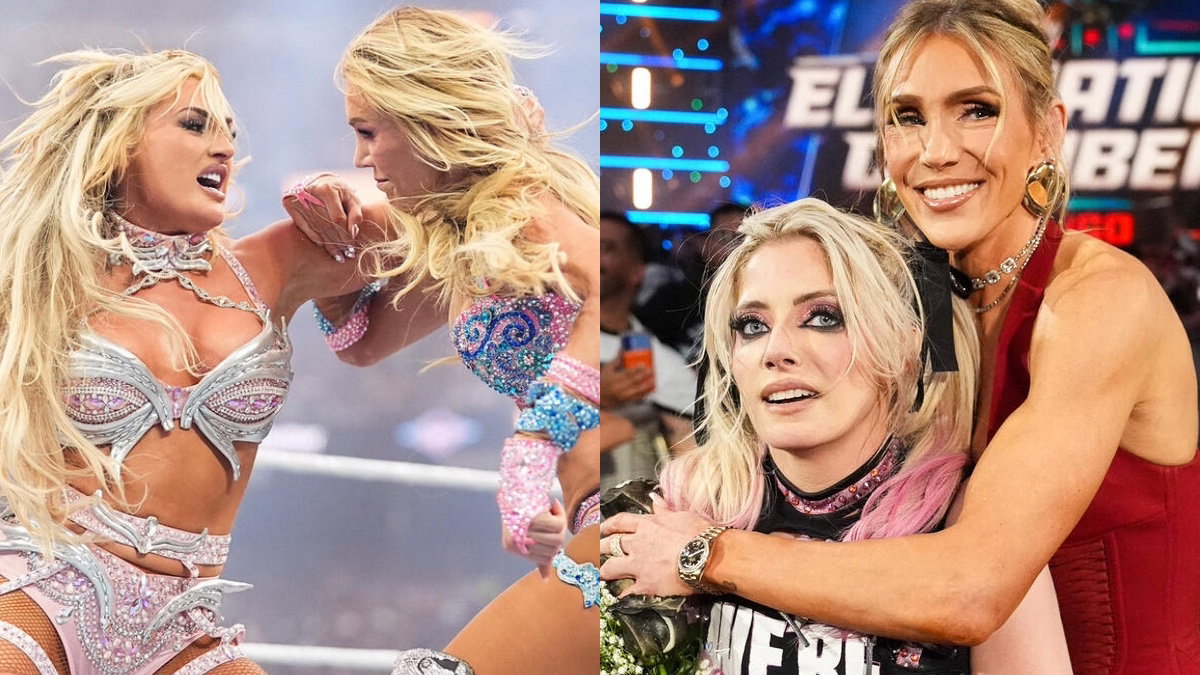
Beyond the Gimmick: Charlotte Flair and WWE's Unspoken Rules
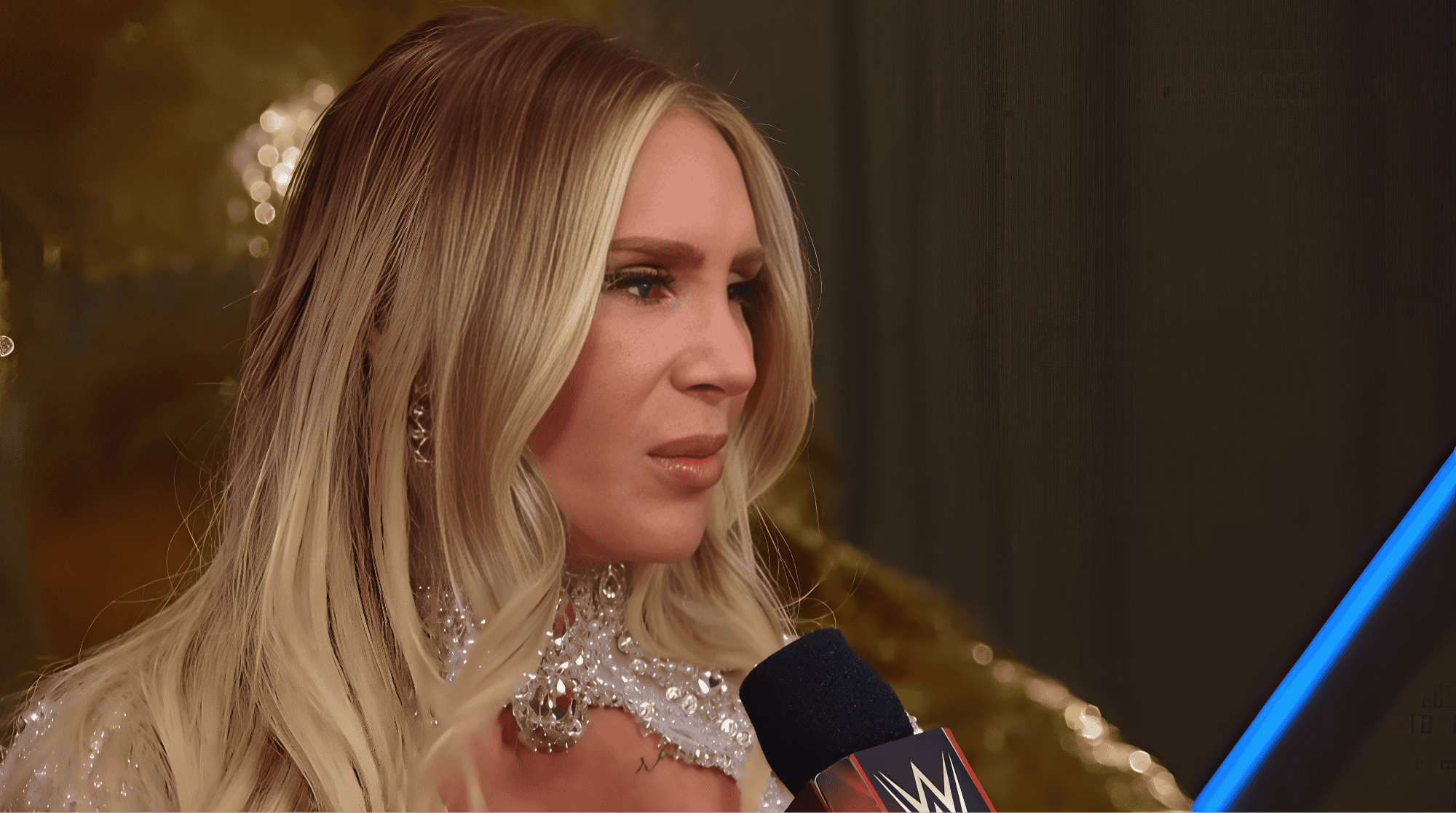
The Invisible Hand of the Locker Room
In the highly choreographed world of professional wrestling, the scripts are meticulously crafted, the outcomes predetermined, and the characters larger than life. Yet, beneath this glossy veneer of spectacle, an intricate network of unwritten rules governs the conduct, progression, and very survival of its performers. Charlotte Flair, a generational talent and arguably one of WWE's most decorated female Superstars, recently shed light on this unspoken code, revealing the subtle pressures and expectations that shaped her formative years in the company.
These are not the rules found in a talent contract or a performance review. They are the inherited wisdom, the subtle nudges, and the hard-learned lessons passed down through generations in a demanding, insular business. For a performer like Flair, whose lineage practically guarantees a spotlight, navigating these invisible currents becomes an even more complex challenge.
Paying Dues and Protecting the Business
The Unspoken Laws of the WWE Locker Room
Charlotte Flair's early career, despite her undeniable athletic gifts and championship pedigree, was not immune to the traditional probationary period imposed by these unwritten rules. She revealed that even as a second-generation performer, the expectation to "pay your dues" was paramount. This often translates to a rigorous adherence to backstage etiquette, a humble demeanor, and a willingness to absorb the culture before attempting to reshape it.
One foundational unwritten rule involves the absolute necessity of "protecting the business." This isn't merely about maintaining kayfabe for the audience, though that remains a significant component. It extends to safeguarding the internal workings, the creative processes, and the relationships that underpin the entire operation. For Flair, this would have meant understanding the delicate balance between her on-screen persona and her off-screen conduct, ensuring no action inadvertently undermined the collective effort or the company's image.
Another implicit directive centers on respecting the established hierarchy. Whether it's the producers, veteran talent, or the senior management, a clear chain of command dictates the flow of information and decision-making. Charlotte, thrust into a prominent role early on, would have had to demonstrate deference and a clear understanding of where she stood within this structure, regardless of her growing main event status. This is a subtle yet pervasive force, shaping everything from travel arrangements to creative input.
“Even with my last name, I still had to understand the importance of paying dues and earning respect. It’s a different kind of pressure when you’re constantly being measured against a legacy.”
These early experiences are critical. They serve as a proving ground, testing a performer's temperament, resilience, and commitment to the WWE machine. For someone like Flair, whose rise was rapid and propelled by a compelling natural presence, proving her worth beyond her surname became an essential, if unstated, part of her journey.
The Queen's Ascent Through the Ranks
Charlotte Flair's Unique Path to Stardom
Charlotte Flair's career is a masterclass in athletic performance, but also in navigating these opaque rules. Her transformation into "The Queen" was swift, marked by a record number of championship reigns and main event appearances. This rapid ascent could easily breed resentment or be perceived as a bypass of traditional protocols by some within the locker room.
However, Flair's consistent dedication to her craft, her undeniable in-ring ability, and her willingness to embody the persona of a dominant, almost regal, villain likely helped her mitigate these challenges. She delivered consistently, performing at a level that demanded recognition, thereby validating her push through performance rather than just lineage. The unwritten rule of "always delivering in the ring" becomes a shield against accusations of favoritism.
The role of a top star in WWE also comes with its own set of unwritten obligations: being a company ambassador, handling media obligations, and consistently elevating the product. Charlotte has excelled in these areas, presenting herself as a consummate professional. This adherence to the unspoken expectations of a main event talent has solidified her position, often allowing her more creative freedom than others might receive.
Yet, this very success can also lead to subtle tension. When a performer becomes too prominent, too often in the spotlight, they inevitably become a target for both external criticism and internal scrutiny. The expectation is to remain grounded, to stay connected to the locker room, and to not allow success to breed arrogance. This is a precarious tightrope walk for any top performer, particularly one whose character is built on an almost untouchable aura of superiority.
Critiquing the Code: The Double-Edged Sword
The Impact of Unwritten Rules on Talent and Creativity
While unwritten rules often serve to maintain order, discipline, and a shared sense of purpose within a wrestling promotion, they are not without their drawbacks. The inherent ambiguity of such a system can foster an environment where favoritism, personal biases, and outdated traditions hold undue sway. This lack of transparency can stifle creativity, discourage genuine innovation, and make it difficult for newer talent to truly understand the path to success.
Consider the potential for these rules to inhibit genuine character development. If talent is constantly worried about stepping out of line, or inadvertently violating an unspoken tenet, they may self-censor. This can lead to a more homogenous product, where edgy or unconventional ideas are suppressed in favor of safe, compliant performances. It is an unfortunate byproduct of a system that prioritizes conformity over individual expression.
Furthermore, the pressure to "pay your dues" can, at times, extend beyond reasonable expectations. While hard work and respect are admirable traits, an overly rigid interpretation can lead to hazing or exploitation. This creates a difficult environment for some talent, forcing them to endure situations that may not be conducive to their growth or well-being. It is a critical fault in a system that often relies more on anecdote than explicit guidance.
The subtle machinations of these unwritten rules contribute to a system that, while effective in some respects, occasionally impedes the very progression it purports to foster. For every Charlotte Flair who navigates the complexities with grace and skill, there are likely others whose potential is curtailed by an inability or unwillingness to decipher the unspoken code.
The Ever-Evolving Legacy of the Queen
Charlotte Flair’s journey through WWE illustrates both the enduring power and the potential pitfalls of its unwritten rules. Her success is a testament to her talent, drive, and strategic understanding of the wrestling world’s unique dynamics. She has not merely survived but thrived, carving out a legacy that stands independently of her famous last name.
As WrestleMania 41 approaches in just four days, promising another chapter in WWE’s grand narrative, the conversations around talent, legacy, and the internal workings of the company will undoubtedly intensify. Flair, a constant fixture at the pinnacle of the women's division, will once again be under the microscope. Her continued ability to adapt, innovate, and perform at an elite level, all while operating within—or strategically bending—the invisible lines of WWE’s unspoken code, will define the next phase of her remarkable career.
Drafting Greatness: Buy the Belt by Conrad Thompson
A deep dive into wrestling history from the legendary podcaster.
More Coverage
WWE's New York gamble is a calculated risk ahead of WrestleMania 42
38 minutes ago
WWE's Saturday Night's Main Event math doesn't add up
39 minutes agoWWE's return to New York changes the math on stadium attendance
42 minutes ago
Top 10: Top Moments from MSG
an hour ago
SmackDown is drifting into mid-summer malaise
an hour agoTop 10: Top Moments
an hour agoMore Analysis
Charlotte Flair's 'Unwritten Rules' Rant: Queen, Please.
3 months ago
Charlotte Flair is finally pulling back the curtain on her career
4 weeks, 1 day agoCharlotte Flair betting on her own voice is a high-stakes play
1 month ago
Becky Lynch Pulls Back the Curtain: The Unvarnished Truth of WWE Life
3 months ago
Charlotte Flair's Twitter surprise exposes WWE's talent relations failure
1 month, 3 weeks ago