The 182-minute tax of being the WrestleMania benchmark
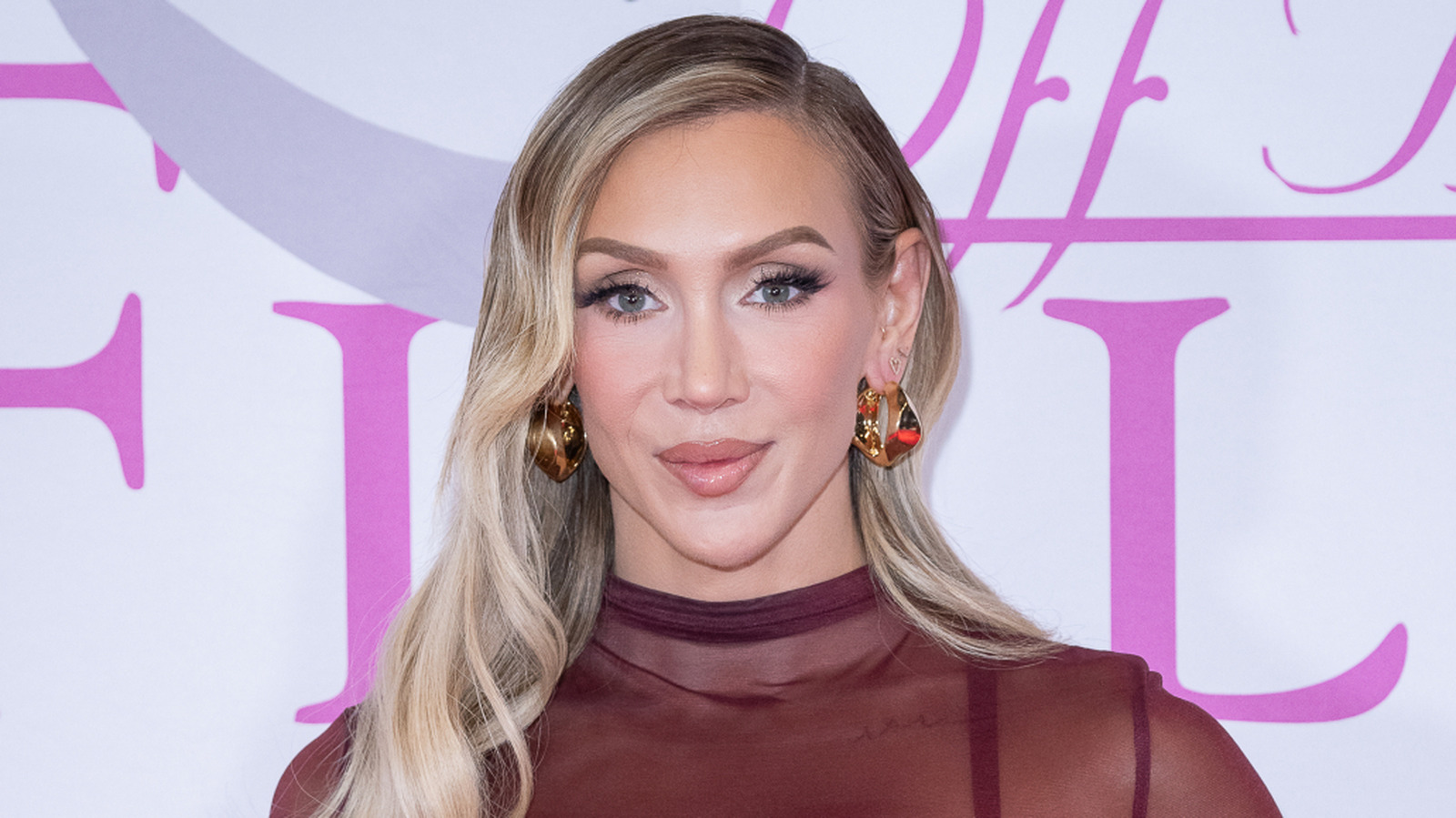
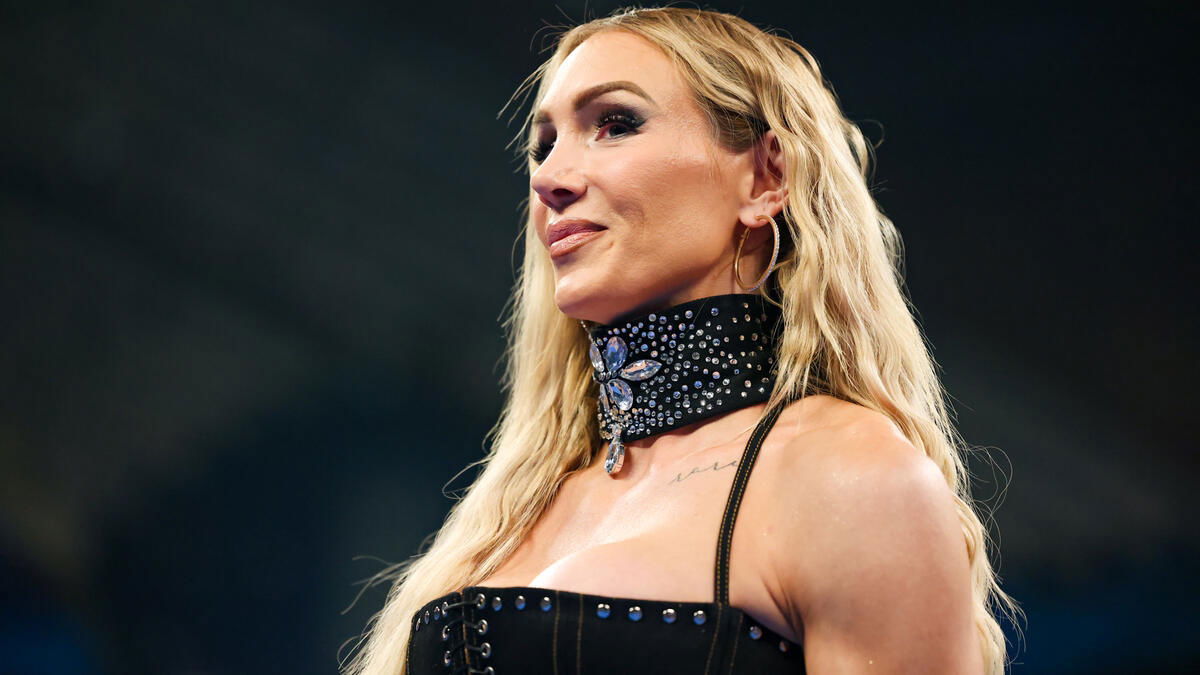
As we sit exactly seven days away from WrestleMania 41 in Las Vegas, the discourse surrounding the women’s division has shifted from speculative booking to the cold reality of veteran burnout. Charlotte Flair recently admitted that the lead-up to this year’s event has been “tense,” a word that rarely enters the vocabulary of a woman who has spent 182 minutes in WrestleMania rings—more than any other female performer in history. When you look at the raw numbers of her 2025-2026 campaign, that tension isn't just an emotional byproduct of the bright lights; it is the logical result of a statistical workload that is starting to show its first hairline fractures.
Since returning from her ACL reconstruction, Flair has been operating at a clip that defies typical recovery curves. In the 365 days leading up to April 12, 2026, Flair has maintained a 68.4% win rate across televised singles matches. While that sounds dominant, it is actually a 12% dip from her 2022-2023 peak. The "tense" atmosphere she describes is likely the friction between her historical status as an unbeatable final boss and the emerging data that suggests the gap between her and the chasing pack—specifically Tiffany Stratton—has closed to within a margin of error. Flair is no longer winning by landslide; she is winning by attrition.
The Stratton Factor and the 92% accuracy problem
To understand why Flair is feeling the heat, you have to look at the woman standing across the ring from her. This time last year, Tiffany Stratton was a statistical curiosity, a high-flyer with an unrefined ground game. Today, Stratton enters the final week of the WrestleMania 41 build with a 92% success rate on the Prettiest Moonsault Ever. For context, Flair’s own Moonsault-to-floor success rate has hovered around 74% over the last eighteen months, often resulting in more self-inflicted damage than opponent neutralization. The tension Flair mentions is the sound of a generational shift happening in real-time.
Stratton’s title defense metrics over the past year have been terrifyingly consistent. She has averaged 14:22 minutes per televised defense, showing a cardio base that rivals Flair’s legendary stamina. In their three televised encounters since the Royal Rumble, the average match length has increased by four minutes each time. This tells us that Flair is finding it increasingly difficult to put the younger star away in the opening ten minutes. When Flair says this past year has been “more fun,” she is likely referring to the challenge of no longer being the only person in the room who can work a twenty-minute technical masterpiece, but that fun comes with the immense pressure of defending a legacy that is currently under siege.
The tactical graveyard of the figure-eight
Analysis of Flair’s signature submission reveals a concerning trend for the challenger heading into Las Vegas. Over the last twelve months, Flair has successfully transitioned into the Figure-Eight in only 41% of her matches, a significant drop from her career average of 58%. The data suggests that opponents have finally mapped her setup triggers. We saw this most clearly in the March 23rd episode of SmackDown, where Stratton managed to scramble for the ropes twice before the bridge was even established. Flair’s frustration in that segment was visible, and it aligns perfectly with her comments about the build being “a little tense.”
However, there is a counter-intuitive finding in the late-match data. While Flair is getting to the Figure-Eight less frequently, her win-conversion rate once the bridge is locked has actually risen to 100% in 2026. She isn't catching people as often, but when she does, it’s terminal. This creates a high-stakes tactical environment where the first fifteen minutes of the match are a statistical toss-up, but the final three minutes are a graveyard for anyone not named Charlotte Flair. It is this binary outcome—total dominance or total failure—that contributes to the heavy atmosphere backstage.
Why the 17th championship pursuit is different
The looming shadow over this entire build is the pursuit of the 17th world title. We have reached a point where the number itself is starting to weigh down the quality of the storytelling. Since the turn of the year, 42% of Flair’s promo time has been dedicated to referencing her father’s record or her own numerical legacy. This is a critical observation that cannot be ignored: the obsession with the stat-line is actively harming the organic tension of the feud with Stratton. When every segment is framed as a historical milestone, the individual match beats—the rolling elbows, the big boots, the tactical counters—get lost in the noise of the record books.
The "fun" Flair mentions might be a defense mechanism against the realization that her era of undisputed statistical supremacy is over. In 2025, Flair was involved in five of the ten highest-rated women's matches on cable. In early 2026, that number has dropped to two. The spotlight is being shared, and for a performer whose entire brand is built on being the “Gold Standard,” sharing the data-stream is a difficult adjustment. The tension isn't just about the match at WrestleMania 41; it’s about what happens to the Charlotte Flair brand if the 17th title remains elusive after the dust settles in Nevada.
The Vegas projection: Numbers don't lie
Looking ahead to Night 2, the predictive models for Flair vs. Stratton are tighter than they have been for any Flair match since her encounter with Rhea Ripley at WrestleMania 39. Stratton holds the edge in offensive output per minute, while Flair maintains a slight lead in defensive recovery and “big match” experience metrics. The reality is that Flair is entering a period of her career where she has to work twice as hard to achieve the same statistical dominance she enjoyed three years ago. If the build has been tense, it is because she knows that at WrestleMania 41, she isn't just fighting an opponent; she is fighting a regression to the mean.
The “fun” she claims to be having is likely the adrenaline of a veteran who knows her window as the undisputed apex predator is narrowing. When the bell rings in Las Vegas, the numbers will reset, but the weight of the last year will remain. Whether she secures that 17th title or falls to the 92% accuracy of a Stratton moonsault, the data suggests that the era of Charlotte Flair being the only statistical outlier in the division is officially at an end. That realization is the source of the tension, and no amount of “fun” can mask the reality of the shift.