The status of The Man remains a major question mark
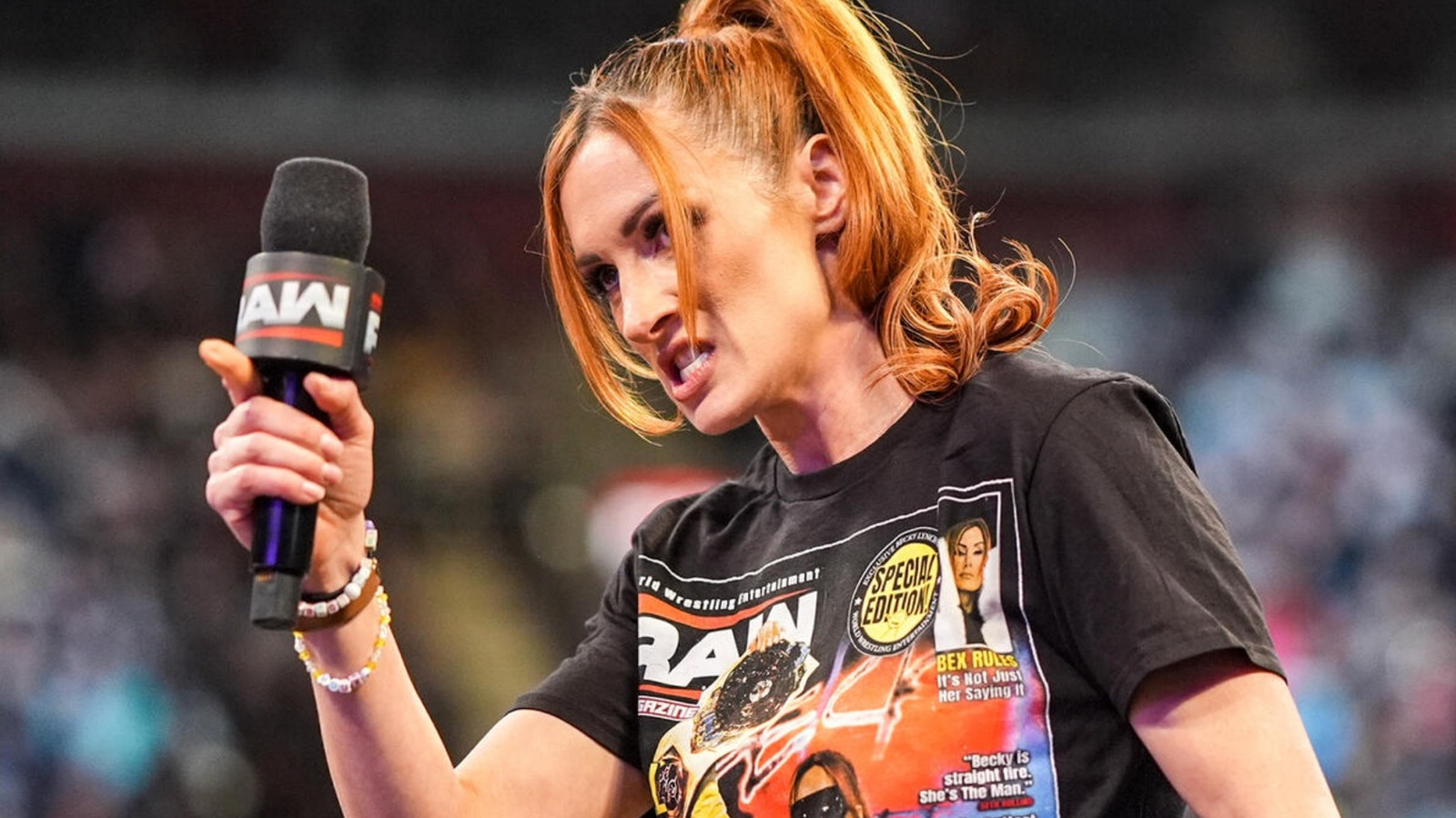
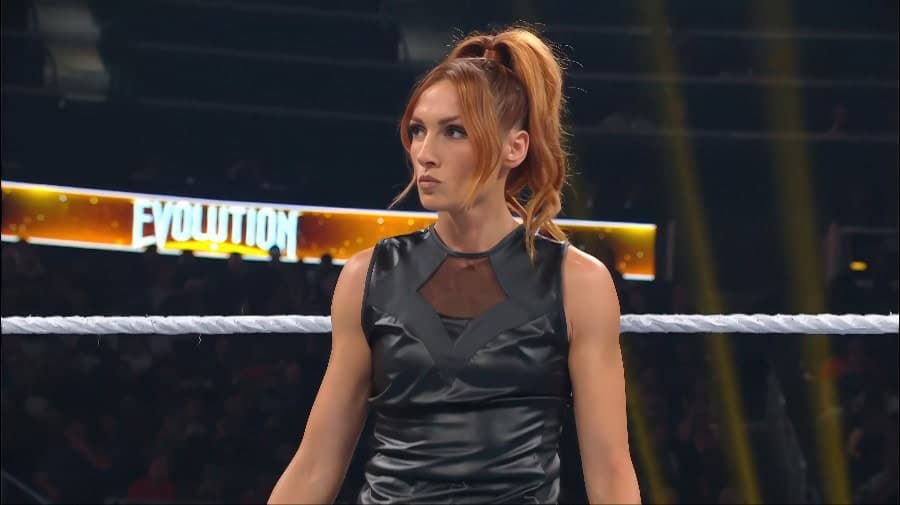
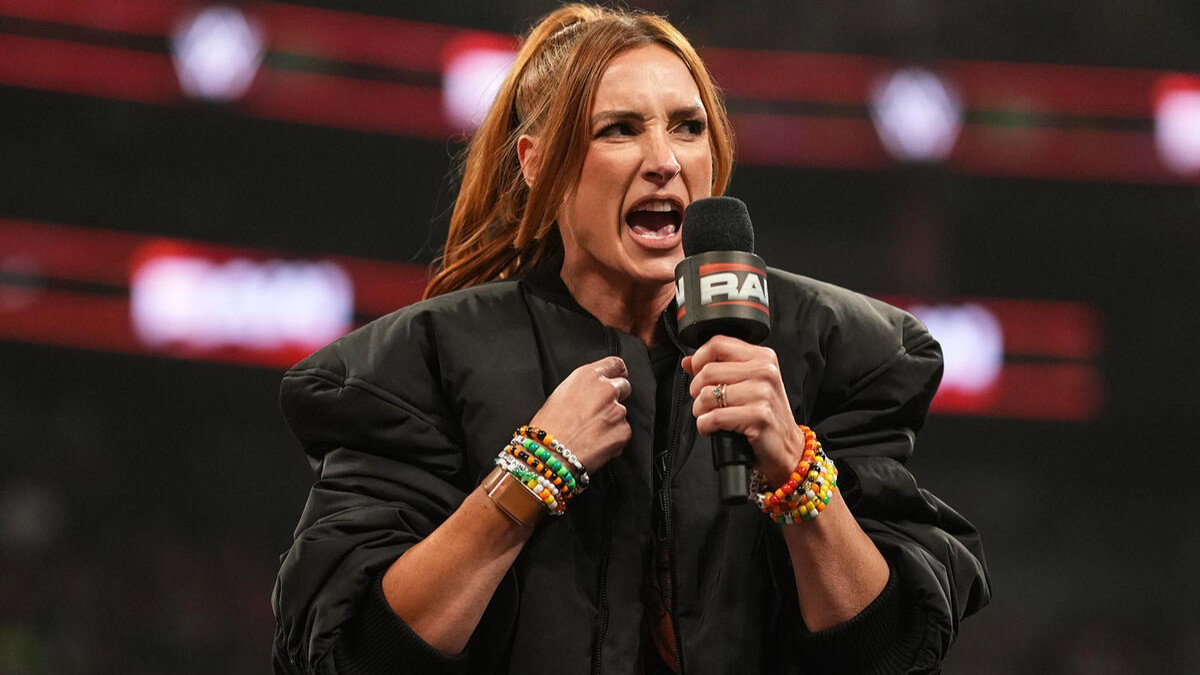
Becky Lynch is not currently under contract with WWE. The former Raw Women's Champion opted not to renew her agreement following the expiration of her previous deal, leaving her status with the promotion in a state of suspended animation. Reports confirm she is not currently working dates and hasn't been backstage at recent television tapings.
This is a tactical pause rather than a forced medical exit. Lynch concluded her most recent stint with the company shortly after a program involving the Women's World Championship. Her departure follows years of high-intensity performance cycles, a routine that rarely provides extended windows for physical recovery or personal time.
Contract flexibility versus physical demand
Lynch’s decision to move away from full-time activity aligns with a roster trend of stars opting for limited schedules. Being a full-time WWE wrestler involves enduring approximately 200 dates per year, a volume that typically leads to chronic wear and tear. By stepping back, Lynch eliminates the risk of acute injury associated with the road schedule.
Her absence highlights a recurring issue in modern wrestling booking: the reliance on anchor performers whose removal creates a massive vacuum. When a main-event talent like Lynch exits, the promotion loses a proven draw and a veteran of high-stakes matches, such as her work at WrestleMania 40. The creative pivot required to account for her absence has been noticeable in the current Raw division.
The history of hiatuses in professional wrestling
Historically, prolonged time off for top-tier performers often signals a transition toward a hybrid schedule. When performers of this caliber vanish from the card without an active injury narrative, they typically use the window to negotiate terms that involve fewer dates or specific character departures. This mirrors the trajectory of other veterans who have negotiated for spot-duty roles to maintain career longevity.
Physical longevity is the primary driver for these shifts. Lynch has a long history of high-impact bouts, specifically her work regarding the Manhandle Slam and her signature Dis-arm-her. These maneuvers put significant strain on the elbows and shoulders over a ten-year career under the WWE banner. Stepping away allows her to address the standard maintenance required for a performer at her level of output.
Strategic implications for the WWE women's division
The women's roster has been forced to absorb this departure during a period where booking depth is already thin. Without a primary focal point at the top of the card, the company has scrambled to elevate newer talents. This creates opportunities for younger performers, though the transition often feels rushed or lacking in star power compared to the established presence of a performer like Becky Lynch.
Booking errors have become apparent in her absence. The lack of a clear, singular challenger to carry the division on a nightly basis has diluted the value of the championship. WWE continues to rely on heavy tournament structures and multi-person bouts, which suggests a struggle to fill the main event slot left by her departure. The reliance on this format essentially admits that the current depth cannot sustain a classic one-on-one rivalry at the caliber fans expect.
Looking at the horizon
There are no current reports indicating a concrete return to the ring. Industry sources suggest that if or when a return occurs, it would likely be handled with the level of promotion reserved only for marquee names. For now, the focus remains on the division attempting to function without its most visible antagonist and protagonist.
As PWInsider reported, the internal discussions regarding her future are kept quiet, keeping the market for her services wide open. If she chooses to resume her career, it will be on terms that ensure her physical safety and creative satisfaction. Until then, fans are observing an industry where the biggest stories are often happening outside of the daily broadcast.