Becky Lynch pulls back the curtain on WWE road life
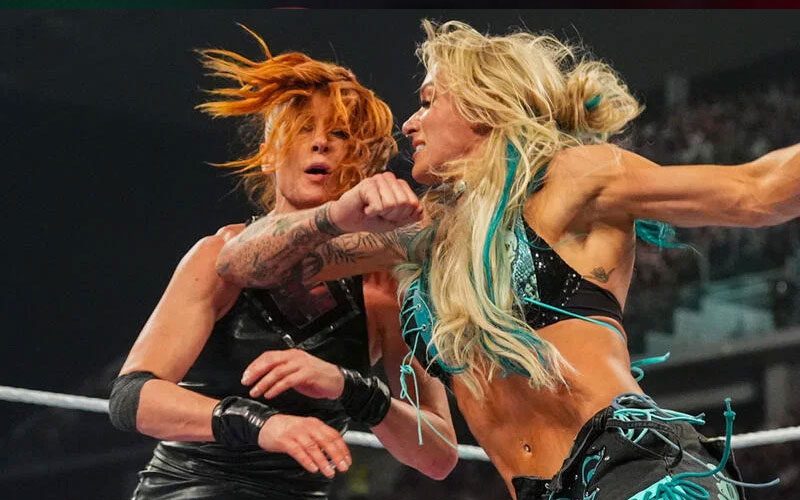
Becky Lynch is actively dismantling the polished facade of the WWE superstar lifestyle. In recent weeks, the former champion has provided a stark contrast to the promotional sizzle reels that paint the industry as a constant state of luxury travel and catering. Instead, she depicts a grind defined by strict rules, physical fatigue, and an increasingly hostile public interface.
The most jarring disclosure involves the historical dress code requirements for female talent. Lynch detailed how women were once mandated to wear restrictive, uncomfortable outfits immediately following matches, regardless of their physical state or the reality of a grueling contest. It serves as a reminder of how rigid the corporate image requirements were, forcing performers into what she characterized as "tiny frocks" even when they were physically drained from competition.
The myth of the pampered superstar
Perhaps the most significant pushback from Lynch is directed at the pervasive fan myth that performers are "catered to" in every capacity. When spectators see the pyro, the grand entrances, and the merchandise shelves, they often assume a level of institutional coddling. Lynch clarified that the reality behind the curtain is far more utilitarian and, at times, grueling.
This shifts the discourse regarding how fans perceive talent. If the locker room isn't being handed everything on a silver platter, then the narrative that wrestlers are detached from reality becomes harder to justify. It frames the current roster as a group of employees dealing with typical workplace restrictions rather than pampered celebrities. It’s a necessary dose of reality that places the athlete's physical toll above the spectacle of the show.
The blurred lines of front-row antagonism
Lynch has also shifted her focus to the behavior of adult fans ringside. She recently called out grown men for screaming at her specifically when she is working as a babyface. This isn't the typical jeering of a heel; it represents a deeper, more uncomfortable interaction where fans feel entitled to aggressive communication with performers.
As Ringside News reported, Lynch noted that the intensity of these interactions has crossed a threshold. When an adult male feels the need to berate a performer during a live broadcast, it changes the atmosphere of the venue. This isn't about playing along with the show; it is an encroachment that makes the job significantly more difficult for those actively driving the segment.
The BJ Ray distraction
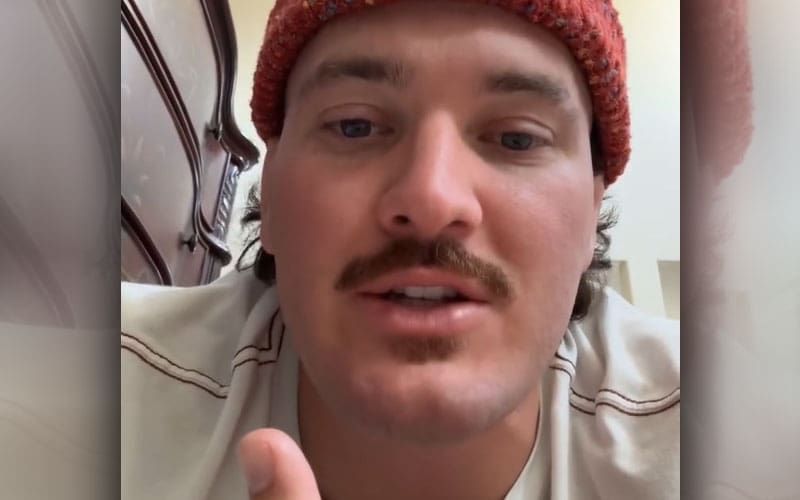
The situation has been further complicated by the erratic behavior of former WWE prospect BJ Ray. Ray recently engaged in a bizarre cycle of public commentary, targeting Bronson Reed with personal insults before pivoting to belittle Lynch’s frustrations with fan heckling. Ray’s commentary style—if you can call it that—relies on high-volume, low-substance antagonism that serves only to heighten the toxicity Lynch pointed out.
The discourse took an even more bizarre turn when Ray claimed his social media accounts were hacked following the wave of backlash. This "I was hacked" defense is a classic, tired reaction to being caught in a firestorm of one's own making. It’s a transparent attempt to mitigate damage after failing to read the room regarding the treatment of female performers in public spaces.
The industry reality check
Lynch’s comments highlight a glaring issue with the modern wrestling experience: the lack of a proper filter between the fans and the performers. When you combine the physical exhaustion of a 300-day-a-year travel schedule with the vitriol from individuals like Ray—or the fans Lynch described—the "glamour" of the job vanishes entirely. The promotion’s reliance on these stars as constant public-facing entities seems to have created a permission structure for unreasonable behavior.
"Becky Lynch is clearing up a major misconception about life in WWE—and it’s not as glamorous behind the scenes as some might..."
If there is a negative in this situation, it is the silence from the institutional side regarding these specific grievances. While the talent is speaking up about the lack of amenities and the toxic nature of crowd interaction, the corporate machine continues to sell the brand as one big, happy, well-oiled machine. There is a disconnect brewing between the talent's lived experience and the company's curated messaging.
As we march toward WrestleMania 41, this tension will likely only increase. Fans treat these events as a free-for-all for their own projections, ignoring the fact that they are watching actual people endure professional hazards. If the industry wants to stop this cycle of bad behavior, they need to address these issues before the next big event in mid-April. It is not just about keeping the lights on; it is about protecting the people generating the revenue from being treated like public targets.
Ultimately, these revelations force a conversation about the nature of sports entertainment participation. We are at a moment where the veil is being lifted, and the result isn't necessarily pretty. It is a grind, the fans are sometimes part of the problem, and the support structure for those working the show isn't as robust as the merchandise sales would suggest. Whether this leads to a change in policy or just more social media noise remains to be seen, but the optics for WWE are certainly shifting away from the polished sheen they’ve spent years cultivating.