Bayley’s recovery routine reveals the brutal reality of the WWE schedule
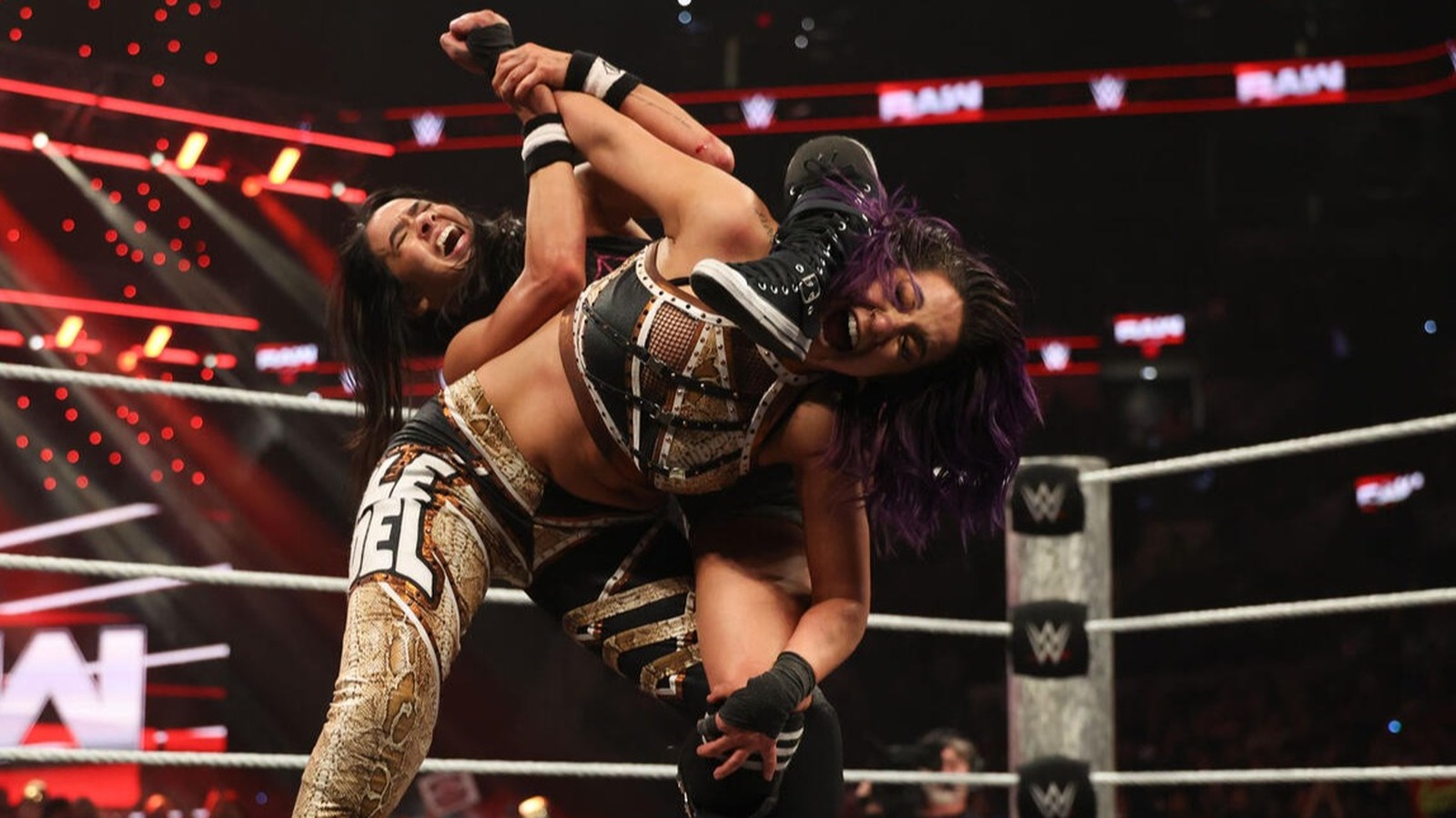
The wear and tear of a Grand Slam champion
Bayley sits in a rare category as the first-ever Women's Grand Slam Champion in WWE history. Her longevity in a company that processes talent like a conveyor belt is an outlier. As recently detailed, her maintenance routine is not a luxury but a professional necessity to stay mobile.
The physical toll of modern professional wrestling is often obscured by the high-flying sequences and choreographed finishes. When top stars pull back the curtain on their recovery, it highlights the unsustainable nature of a touring schedule that leaves little room for anatomical repair.
Predictable rhythms and the danger of repetition
We see the same patterns repeating across the industry, from the Hardys reclaiming their independence on the independent circuit to stars like CM Punk testing the boundaries of scripted television. The move toward unscripted promos, as noted in previous coverage of CM Punk's recent Raw appearance, suggests that the mental strain of the job is catching up to the physical intensity.
Bayley’s approach to recovery acts as a counterweight to the chaos of booking. If you track her career arc, the technical proficiency she brought to NXT has evolved into a more conservative, safety-conscious style. This is the hallmark of a veteran who understands that longevity is the only currency that matters in a locker room perpetually crowded with younger challengers.
The cost of the next big show
As we sit here on April 8, 2026, the industry is bracing for WrestleMania 41 in less than two weeks. The intensity of the training camps and the desperation for a spot on that stage usually leads to a spike in injuries during the first quarter.
My gripe with the current product is the reliance on these massive, two-night events. Expecting a performer to maintain peak aesthetic and physical performance for forty-eight consecutive hours is an analytical folly. We are looking at a shifting trend where talent is prioritizing their post-WWE options, effectively auditioning for the next act of their careers before their current contracts even expire.
Quantifying the toll
Look at the data from the last twelve months of house show reporting. The decrease in frequency for marquee talent is clear. While management might frame this as a strategic rest, it is an admission that the travel-to-match ratio is broken. A 90-minute commute to a venue is one thing; a cross-country flight followed by a 15-minute high spot match is another.
Bayley’s regimen is designed to combat this fragmentation. She focuses on specific mobility routines that, while effective, cannot mimic the sudden impact of a blindside attack or a missed landing. The industry hides the recovery timeline because seeing the bandage, the ice bath, and the post-match inflammation hurts the aura of the character. Fans want to believe the toughness is innate, not manufactured in a physical therapy clinic.
Unless WWE adjusts its approach to the calendar, the next generation will be battered before they hit their peak. We are already seeing the warning signs, with performers increasingly taking time off to avoid the 300-day-a-year grind that dominated the previous decade. If the goal is a healthier product, the focus must shift from how these athletes recover to why they are being broken in the first place.
WWE Men's Roman Reigns Acknowledge Me T-Shirt
The ultimate uniform for anyone visiting the Island of Relevancy.
Frequently Asked Questions
How has Bayley adapted her in-ring style to ensure career longevity?
Why is the current WWE touring and event schedule considered unsustainable?
What is the primary goal of Bayley's current recovery regimen?
Why does the WWE hide the recovery process of its performers?
How are modern wrestlers responding to the physical demands of WWE?
More Coverage
On This Day in Wrestling: July 20
14 minutes ago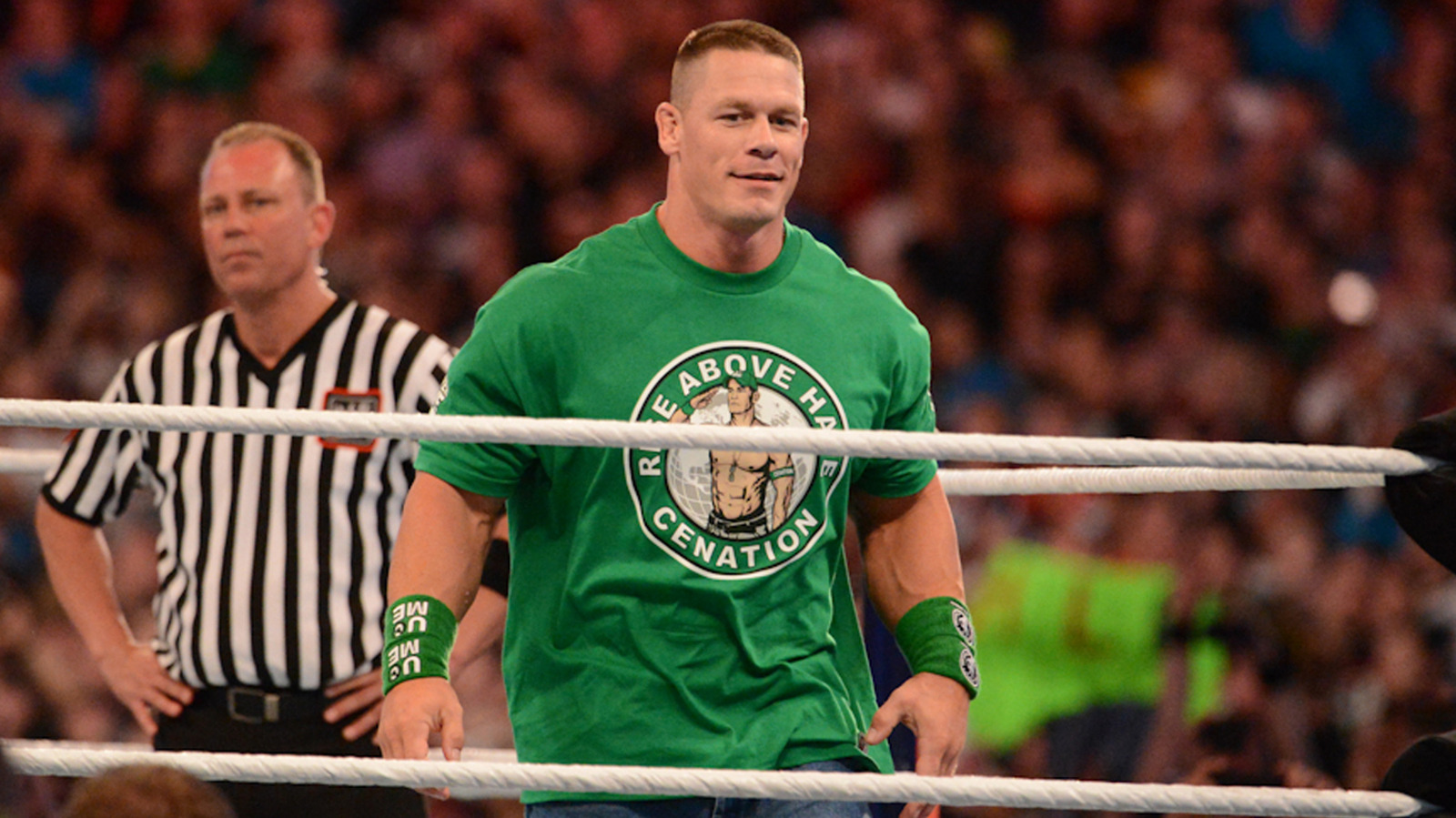
John Cena’s final act is becoming a masterclass in nostalgia
an hour ago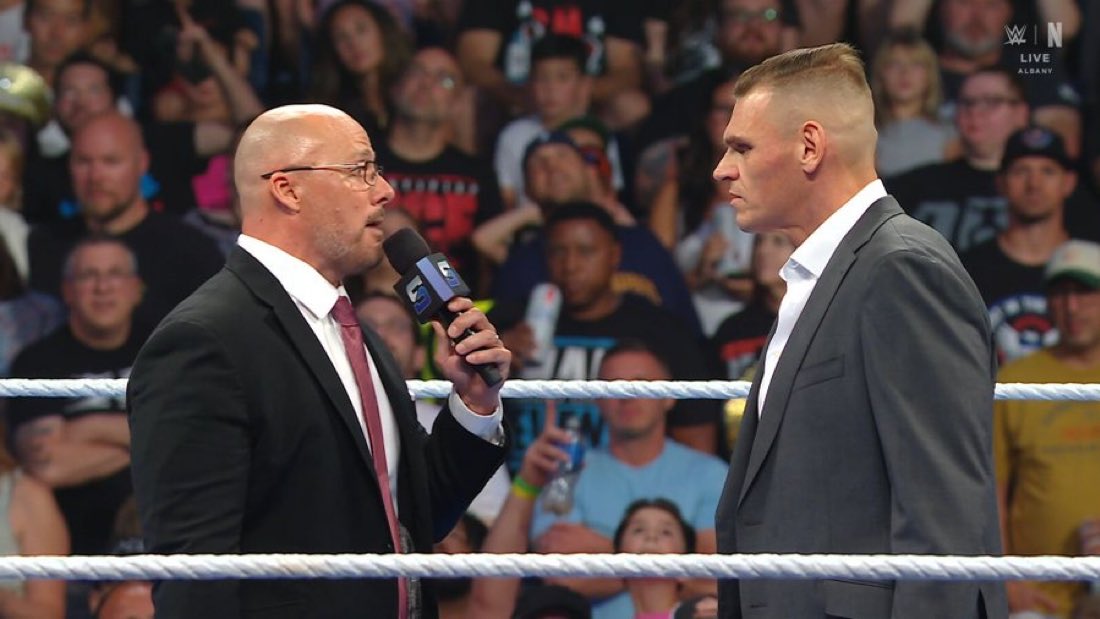
Is Tommaso Ciampa eyeing an AEW jump after the Jericho feud?
an hour agoSummerSlam's digital buildup misses the physical mark
an hour ago
Why WWE's corporate booking machine keeps fumbling its best faction ideas
2 hours ago
WWE Stacked Card for Detroit RAW Sets Up Crucial Mid-Summer Pacing
2 hours agoMore Analysis

The severe injury risk behind Bayley's cross-promotional schedule
2 months ago
WWE's physical toll shows clear signs of age as Backlash approaches
2 months, 3 weeks ago
The backstage reality of WWE's injury crisis
1 month, 3 weeks ago
Medical update: The reality of talent recovery cycles in the current era
1 month, 2 weeks ago
Why the brutal wrestling road schedule is quietly breaking the roster
3 months ago