The Unforgiving Aftermath of Grandeur
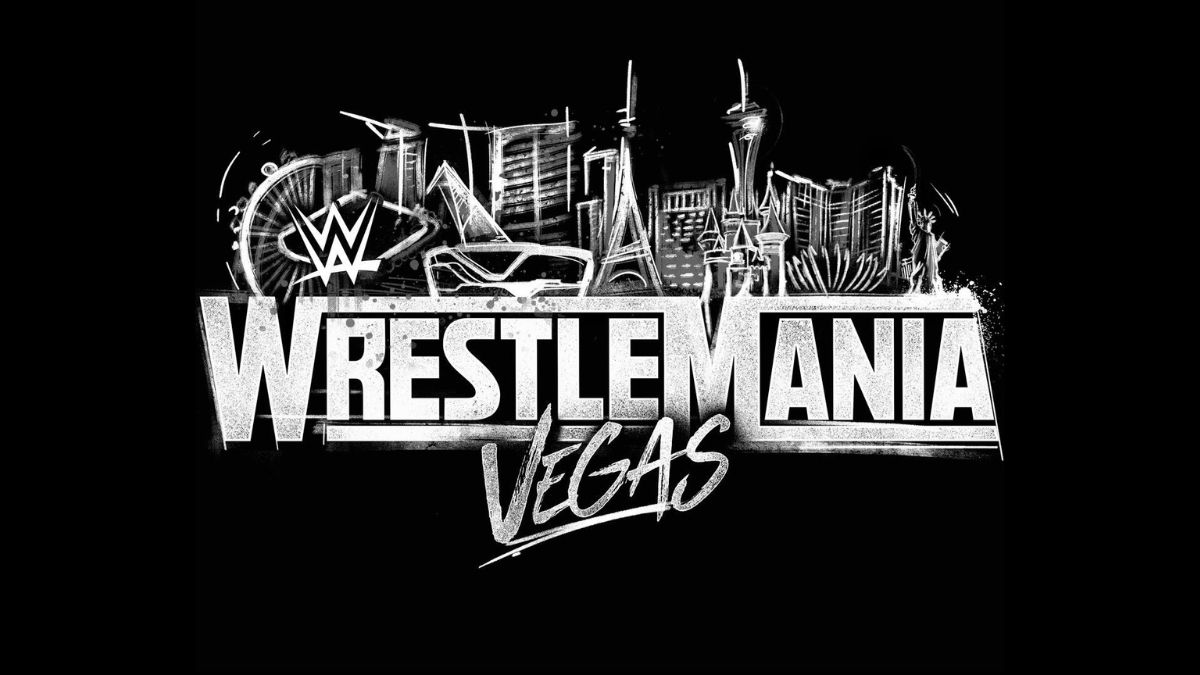
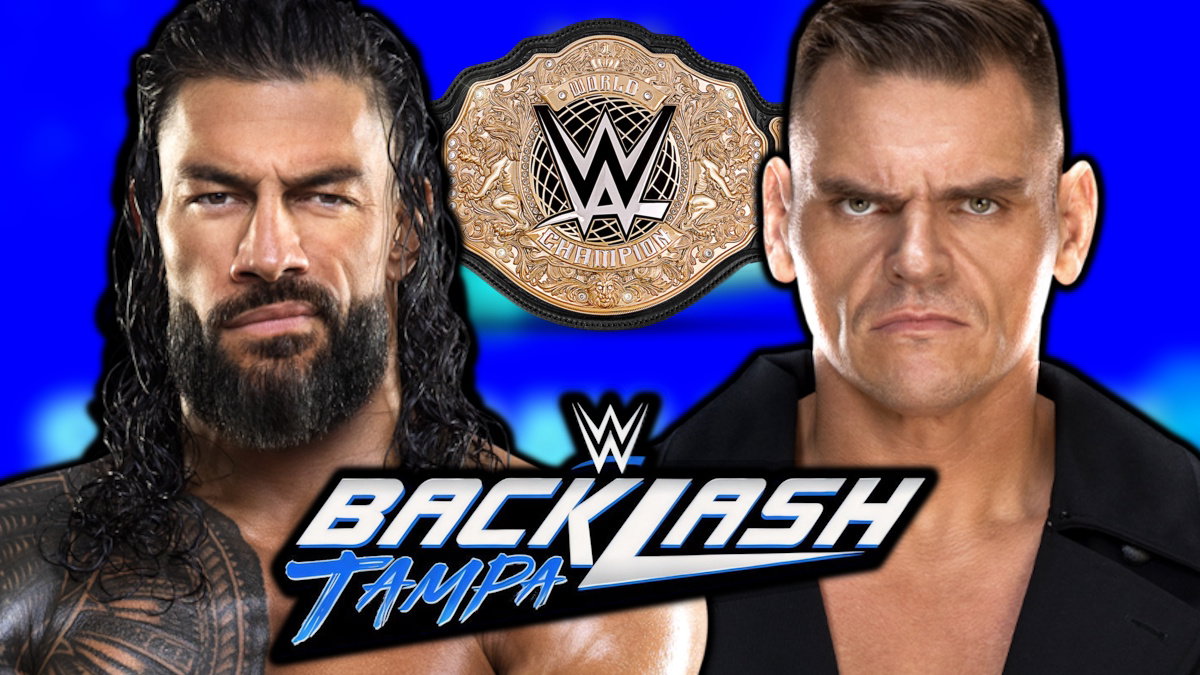
The dust has settled from WrestleMania 41, and while the spectacle in Las Vegas delivered its moments of triumph and farewell, the WWE machine grinds relentlessly forward. On May 9, 2026, the company presents Backlash, traditionally the first premium live event following the industry's biggest show. This isn't just another stop on the calendar; it's the proving ground where the narratives forged under the bright lights of Allegiant Stadium either solidify into compelling long-term arcs or dissipate into the ether.
History dictates that Backlash often serves as a direct extension of WrestleMania, a chance for immediate rematches, score-settling, or the initiation of new feuds born from the fallout. The challenge is immense: how do you maintain the fever pitch of WrestleMania season while simultaneously pivoting towards fresh directions for the summer months? It’s a delicate balance, and often, WWE stumbles in this critical transition.
The WrestleMania Hangover Is Real
Every year, the post-WrestleMania period presents a unique booking dilemma. The creative team pours months, sometimes years, into building to the 'Showcase of the Immortals,' crafting climactic moments and definitive conclusions. Then, just weeks later, they are tasked with recapturing that lightning in a bottle for Backlash. The emotional investment from the fanbase has often peaked, leaving a creative vacuum that is difficult to fill.
This year, coming off a WrestleMania that saw significant developments—including a momentous farewell for John Cena and CM Punk’s highly anticipated major match on Night 1, alongside Cody Rhodes' WWE Championship defense and the continued saga of Roman Reigns and The Bloodline on Night 2—the narrative threads are complex. Backlash must deliver satisfying continuations without feeling like a mere rerun. The risk is not just stagnation, but outright regression in fan interest if the follow-up feels lackluster or rushed.
Re-establishing the Stakes
One of the primary criticisms often leveled at post-WrestleMania booking is a perceived lack of immediate stakes. After world titles have changed hands, long-running feuds have reached their crescendo, and legends have made their final bows, what is left to fight for in early May? WWE needs to quickly establish new, tangible goals for its roster beyond simply 'running it back.'
For the defending champion, Backlash presents the first true test of their reign outside the WrestleMania spotlight. This is where the pressure mounts, where they prove that their victory was not a flash in the pan. Similarly, those who fell short at WrestleMania will be eager for redemption, seeking to carve out new paths to relevance rather than lingering in the shadow of their previous defeat.
The Imperative for Fresh Direction
While rematches are an expected part of the Backlash card, an over-reliance on them can quickly lead to audience fatigue. The product needs evolution, not just repetition. This means introducing new challengers, elevating talent who perhaps didn’t have a high-profile WrestleMania match, and injecting unexpected twists into established storylines. The creative team has a tight window to make these adjustments.
One area where WWE has historically struggled is finding meaningful programs for talent who lost at WrestleMania. Often, a defeated superstar will drift into less significant feuds, losing the momentum they had built. Backlash is an opportunity to immediately pivot these individuals into compelling new rivalries, demonstrating that a WrestleMania loss doesn't mean an automatic trip to the mid-card wilderness.
The Bloodline's Lingering Shadow
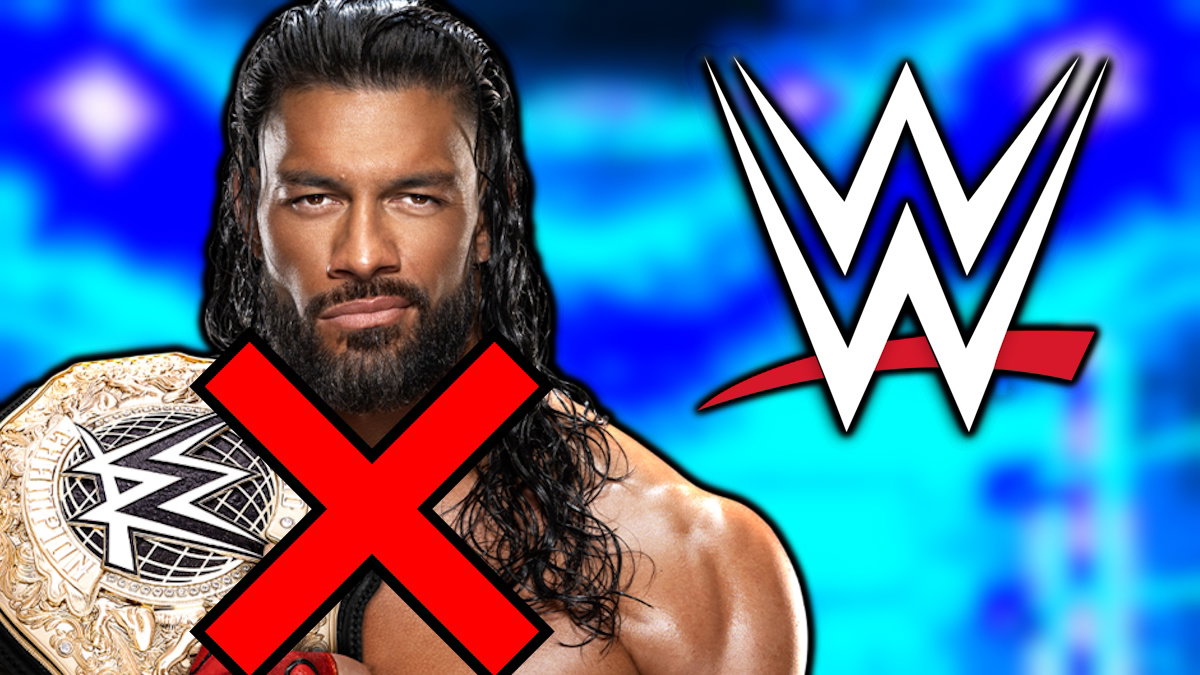
The Roman Reigns and Bloodline narrative, particularly its conclusion or continuation at WrestleMania 41, will undeniably cast a long shadow over Backlash. Even if specific members are not heavily featured, the ripple effects of that monumental story will dictate much of the surrounding landscape. The dynamic of power, loyalty, and betrayal that defined that era doesn't simply vanish overnight.
The company must be careful not to allow this dominant storyline to overshadow every other emerging narrative. Backlash is an opportunity to show that while the main event picture remains compelling, there are other, equally important stories developing across the roster. Spreading the spotlight is crucial for long-term health and fan engagement.
Prediction: A Test of Creative Resolve
Backlash 2026 will serve as a definitive barometer for WWE’s creative direction post-WrestleMania 41. I predict an event that, while showcasing solid in-ring action, will feel somewhat uneven in its narrative execution. There will be at least one high-stakes rematch that delivers on expectation, but it will be juxtaposed against several programs that struggle to find their footing or generate significant emotional investment from the audience. The persistent challenge of building new, compelling feuds immediately after the biggest show of the year will be evident. Ultimately, Backlash will be a passable event, but it will highlight the ongoing struggle for WWE to consistently translate WrestleMania's momentum into fresh, sustainable storytelling for the remainder of the calendar year.
Read Next