The Mania Squeeze: A Perpetual Problem
WrestleMania season always brings a unique blend of excitement and logistical challenges for WWE. With the event now spanning two nights, the company aims to deliver a stacked card, featuring marquee matchups that drive subscriptions and generate buzz. However, a recent report from WrestlingNews.co indicates that at least one planned WrestleMania match could be moved to WWE Backlash 2026. This isn't just a scheduling tweak; it reveals a deeper strategic play by WWE to maximize their premium live event (PLE) value.
The sheer density of top-tier talent and long-running storylines often creates a paradox for WrestleMania bookers. While the goal is to pack both nights with must-see attractions, oversaturation can lead to shorter match times, less impactful entrances, and diminished fan engagement for mid-card spectacles. The announcement that a major bout might shift highlights the perennial struggle to fit every compelling narrative onto the grandest stage of them all.
Elevating Backlash: More Than Just a Rebound Show
Backlash, historically positioned as the immediate follow-up to WrestleMania, often suffers from the perception of being a 'rematch show' or a place to continue feuds that couldn't conclude at Mania. By moving a *planned* WrestleMania-caliber match to Backlash on May 9th, WWE signals a clear intent: to elevate the event beyond its usual status. This isn't about shunting a match; it's about giving it a bigger spotlight on a show that desperately needs a standalone draw.
The business implications are straightforward. In an era dominated by streaming and PLE subscriptions, every major event needs a compelling hook. A WrestleMania-quality match headlining Backlash provides that hook, potentially driving new sign-ups or retaining existing subscribers who might otherwise skip a show perceived as less significant. It’s a calculated risk, but one with a significant upside for the company’s bottom line, especially considering the current crowded calendar with major sporting events like the UCL Quarter-Finals just passing and the FIFA World Cup 2026 looming.
The Candidates: Who Gets the Call?
When considering which match might get the nod for relocation, we have to look at several factors: the stature of the talent involved, the narrative implications, and the potential for a fresh main event. A match involving John Cena's farewell, as teased for WrestleMania 41, feels inherently tied to the grandest stage; moving it would dilute its significance. Similarly, the WWE Championship defense by Cody Rhodes or the ongoing saga of Roman Reigns and The Bloodline are too integral to WrestleMania's main event structure to be shifted without severely impacting the perceived value of the two-night extravaganza.
This leaves us looking at high-profile non-title matches or significant grudge feuds. WWE has a history of building rivalries that feel WrestleMania-worthy but ultimately get placed earlier on the card due to time constraints. Think of a feud with intense personal animosity that could use more room to breathe, or a match that would benefit from an extended build rather than being rushed into the Mania spotlight.
My Pick: CM Punk's Major Match to Backlash
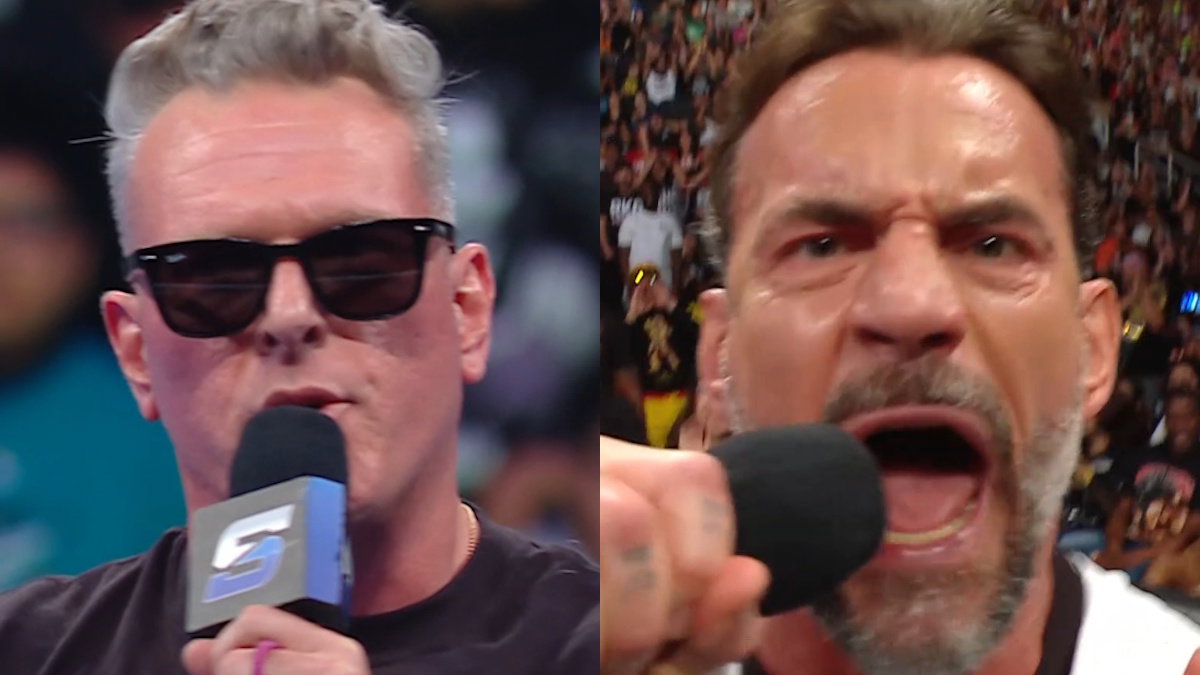
My prediction is bold, but strategically sound: the anticipated major match involving CM Punk at WrestleMania 41 will be the one relocated to WWE Backlash 2026. This isn't a demotion; it's a strategic deployment of one of WWE's biggest draws. Punk’s return has been a monumental success, injecting unprecedented energy into the product. However, ensuring his longevity and maximizing his impact requires careful planning, especially after a significant triceps injury that kept him sidelined.
Consider the scenario: if Punk’s recovery timeline is still tight for a full-throttle WrestleMania main event, moving his match to Backlash provides an additional three weeks of preparation. This extra time allows him to be in optimal condition, ensuring the high-octane performance fans expect. Moreover, it allows WWE to build out the narrative for a longer period, intensifying the animosity and making the eventual clash feel even more impactful when it takes place on May 9th.
A CM Punk main event at Backlash instantly elevates the show to a must-see event. It gives Backlash its own distinct identity, rather than just being a post-Mania footnote. Imagine a clash, perhaps against someone like Drew McIntyre—a feud that has proven capable of delivering intensity and strong promos—receiving the full focus of a PLE main event. This strategic move could guarantee a stronger viewership figure for Backlash than if it were simply another match on an already packed WrestleMania card, where it might struggle for airtime against other colossal bouts.
WrestleMania's Breathing Room and Backlash's Boost
The immediate benefit for WrestleMania 41 is obvious: more breathing room. With one fewer tentpole match, the remaining segments and matches on both nights can be given more time to develop, allowing for longer, more impactful bouts and less rushed storytelling. This could lead to a higher quality overall presentation for the flagship event, addressing common criticisms about WrestleMania cards being too long and exhausting for live audiences and viewers alike. It could allow matches like the potential John Cena farewell to truly soak in the moment without feeling compressed.
For Backlash, the impact is transformative. Instead of a typical card filled with post-Mania rematches that often lack fresh stakes, it gains a legitimate, top-tier main event. This shift could redefine Backlash as a standalone major PLE, capable of drawing significant interest independent of WrestleMania's fallout. It's a calculated move that capitalizes on a white-hot talent like CM Punk, ensuring his star power is utilized to its fullest extent across the company's biggest events, rather than just one.
A Question of Fan Expectations
While strategically sound from a business perspective, the decision to move a planned WrestleMania match is not without potential drawbacks. The most immediate concern is fan expectation. A core part of the WrestleMania mystique is seeing all the biggest feuds culminate on that single stage. Moving a highly anticipated match, especially one involving a figure as polarizing and popular as CM Punk, risks disappointing a segment of the audience who specifically purchased WrestleMania tickets or subscriptions expecting to see that clash. It signals that even the 'Showcase of the Immortals' isn't immune to internal shuffling and last-minute changes, which can feel less like careful planning and more like reactive booking.
Ultimately, WWE is playing a long game. By strategically deploying their biggest assets across multiple PLEs, they aim to cultivate a year-round must-watch product. Moving CM Punk's major match to Backlash is a strong indicator of this strategy in action. It’s a move designed to spread the wealth, bolster a secondary PLE, and potentially ensure a more impactful showing from one of their most valuable stars, even if it means a slight adjustment to the WrestleMania lineup. The result will be a more balanced, year-long narrative arc for their biggest stories.
Read Next
- Randy Savage’s Poughkeepsie honor shows exactly what WrestleMania 41 is missing
- WWE just signed Cory Hays while the WrestleMania 41 chaos reaches a boiling point
- WrestleMania 41: Why Cody Finishes the Story (Again)
- WrestleMania 41: End of Eras, New Reigns, and Creative Curveballs
- 🏆 WrestleMania 41 — Full Coverage Hub
- 💥 WWE Backlash 2026 — Full Coverage Hub