The Demolition Man has a new demolition project
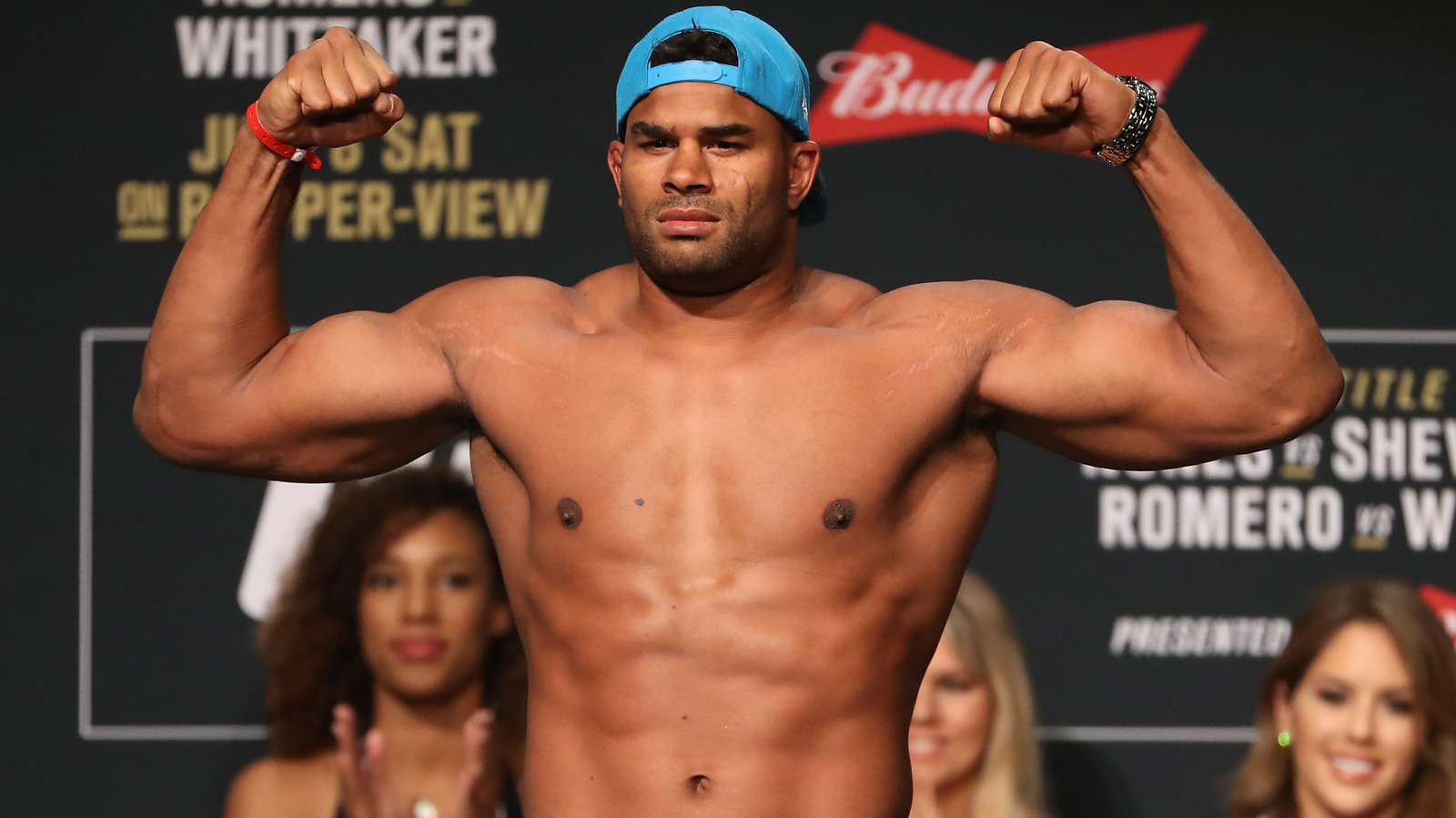
Alistair Overeem has spent the last thirty years of his life getting hit in the face by some of the most violent human beings to ever walk the earth. We are talking about a man who stood in the pocket against Badr Hari, Mark Hunt, Francis Ngannou, and Stipe Miocic. He has survived the Pride era in Japan, the K-1 Grand Prix wars, and a UFC run that was basically a decade-long experiment in how much torque a human neck can withstand. If anyone on this planet knows what a concussion feels like, it is the man formerly known as Ubereem.
But his latest take makes his 'horse meat' diet from 2011 look like a boring recommendation from a suburban nutritionist. As Wrestling Inc recently reported, Overeem is out here claiming that Chronic Traumatic Encephalopathy (CTE) can be healed. Not managed, not slowed down, but actually healed. This is a guy who has suffered 17 knockout losses across MMA and kickboxing telling us that the neuro-degenerative boogeyman can be sent packing with the right mindset and supplements.
It is the kind of statement that makes every neurologist in the Western hemisphere want to throw their medical degree into a woodchipper. CTE is currently defined by the scientific community as a permanent, progressive death of brain tissue. You can’t just rub some essential oils on it and hope the tau protein decides to move out. Yet, here is the Dutch legend, looking lean and zen, acting like he’s found the 'Undo' button for brain damage.
The Ubereem transformation and the Zen-reem delusion
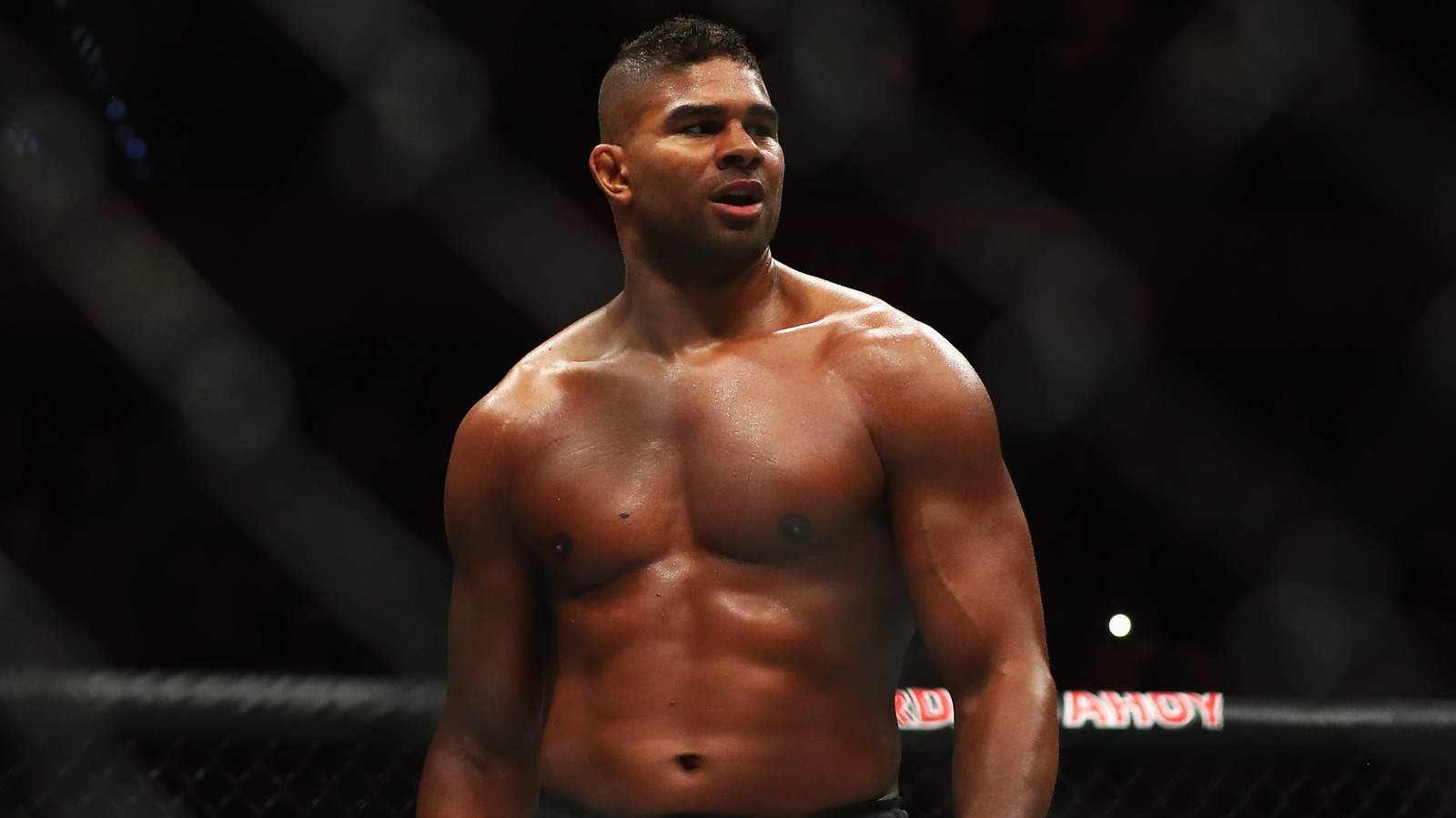
To understand why Alistair thinks he is a medical miracle, you have to look at the guy. This isn't the 265-pound behemoth who kneed Brock Lesnar’s liver into the third row back in 2011. Since retiring, Overeem has dropped a massive amount of weight, turned into a vegetarian, and started talking like he spends eight hours a day staring at the sun. He looks healthier than he has in twenty years, which is great for his Instagram feed but dangerous for his medical analysis.
The problem with combat sports is that the athletes are the worst judges of their own health. We see it in wrestling all the time. Guys like Bryan Danielson or Edge have spent years fighting against medical retirements because the itch to compete is stronger than the fear of a wheelchair. Overeem is taking that fighter's ego and applying it to biology. He feels good, his brain fog has cleared up, and he’s not currently forgetting where he parked his car. In his mind, that means the damage is gone.
But brain trauma is a debt that the body always collects. You might feel great at 45 because you’re doing yoga and drinking kale smoothies. That doesn't mean the microscopic scarring from that Francis Ngannou uppercut—the one that literally turned his head into a Pez dispenser—has vanished. Claiming you’ve 'healed' CTE is like saying you’ve grown back a limb. It’s a beautiful thought, but the tau protein deposits in the brain don't care about your positive vibes.
Why this rhetoric is a nightmare for the industry
If you are a promoter at WWE, AEW, or the UFC, Overeem is your best friend right now. For decades, these organizations have lived in the shadow of the 'Benoit' cloud. The 2007 tragedy changed the way we look at the squared circle forever. It forced companies to actually care about concussions, implement testing, and pull guys off the road when their bells got rung. It was a massive, expensive, and necessary headache for the suits in Stamford and Jacksonville.
Now imagine you’re a promoter and a legend like Overeem comes along saying the damage isn't permanent. If CTE can be 'healed,' then the pressure on the companies to protect the athletes drops significantly. Why worry about a wrestler taking ten chair shots to the head if he can just go on a 'healing' retreat for six months and come back with a factory-reset brain? It’s a dangerous fantasy that gives bad actors an excuse to cut corners on safety protocols.
We’ve seen this movie before in the NFL and it always ends in a courtroom. Overeem’s optimism is essentially a 'get out of jail free' card for every promoter who wants to ignore the long-term cost of their product. It suggests that the responsibility for health lies solely on the athlete's 'healing' journey rather than the employer's safety standards. That is a massive step backward for a sport that has spent twenty years trying to prove it isn't a human cockfight.
The Dutch legend is selling a dangerous kind of hope
Let’s be real about the 67 kickboxing and MMA wins on his record. Overeem is an all-time great, a tactical genius who transitioned from a 'skinny' light heavyweight to a massive power hitter and then back to a crafty veteran. He survived the sport longer than almost anyone else from his era. But his survival is an outlier, not a blueprint. For every Overeem who feels 'healed,' there are ten guys from the Pride era who struggle to string a sentence together before noon.
His comments aren't just wacky; they are irresponsible. When a young fighter on the regional scene reads that Overeem 'healed' his brain, they might take that extra fight they shouldn't. They might ignore the headaches and the light sensitivity because they think they can fix it later with mushrooms and meditation. Overeem is inadvertently creating a generation of fighters who think they are playing with house money. They aren't. In this game, the house always wins, and it usually takes your memory as the entry fee.
There is also the dark possibility that this is just a coping mechanism. If you’ve been knocked out as many times as Alistair, the reality of CTE is terrifying. Admitting that your brain is a ticking time bomb is a heavy burden to carry. It’s much easier to believe that you’ve mastered your own biology. It’s the ultimate fighter’s mentality: if I can beat the man in the cage, I can beat the disease in my skull. Unfortunately, you can’t knock out a degenerative condition with a clinch knee.
A reality check for the combat sports world
The science of brain health is moving fast, but it hasn't caught up to Overeem’s imagination yet. We are seeing breakthroughs in PET scans that might one day detect CTE in living patients, but 'healing' it? We are decades away from that, if it’s even possible. The best way to handle CTE is still the most boring way: don’t get hit in the head. But that doesn't sell tickets or move the needle on a podcast, does it?
We have to stop treating these athletes as medical authorities just because they have high pain tolerances. Overeem is a master of the K-1 clinch, not a neurosurgeon. His experience is valid as a cautionary tale of what the body can endure, but it shouldn't be used as a medical textbook. We owe it to the next generation of wrestlers and fighters to stay grounded in the grim reality of the sport. The cost of a career in the ring is high, and no amount of Dutch optimism is going to lower the price.
Ultimately, we should be happy that Overeem feels good. Nobody wants to see a legend fade into a shell of himself. But we also have to be the adults in the room and call out the 'snake oil' when we see it. The sport is $0 closer to curing CTE today than it was yesterday, regardless of what Alistair thinks. If we start believing that brain damage is reversible, we are just giving ourselves permission to be more violent, and that never ends well for the guys inside the ropes.