The Demolition Man's boldest claim yet
Alistair Overeem has spent three decades absorbing the kind of impact that would end most careers in a single night. From the rings of K-1 to the Octagon of the UFC, the man known as "The Reem" has survived 94 professional combat sports bouts. Now, he is making a claim that is sending shockwaves through both the MMA and professional wrestling communities. In a recent interview with Wrestling Inc, Overeem stated plainly that he believes Chronic Traumatic Encephalopathy (CTE) can be healed.
The statement is a direct challenge to the current scientific consensus. For years, CTE has been viewed as a progressive, degenerative brain disease found in people with a history of repetitive head trauma. It is the ghost that haunts the halls of every major wrestling promotion and MMA gym. Overeem, however, appears convinced that his own physical transformation and recent lifestyle changes have provided a blueprint for recovery.
I believe CTE can be healed.
A career built on high-level trauma
To understand why this statement is so provocative, you have to look at the mileage on Overeem's body. He isn't just a fighter; he is a heavyweight who has been knocked out 15 times across his MMA and kickboxing career. He was on the receiving end of one of the most violent knockouts in UFC history when Francis Ngannou landed a shovel hook at UFC 218 in December 2017. That single blow lifted Overeem off his feet and left him unconscious for several minutes. When a man with that history says the damage is gone, people listen—even if they don't believe him.
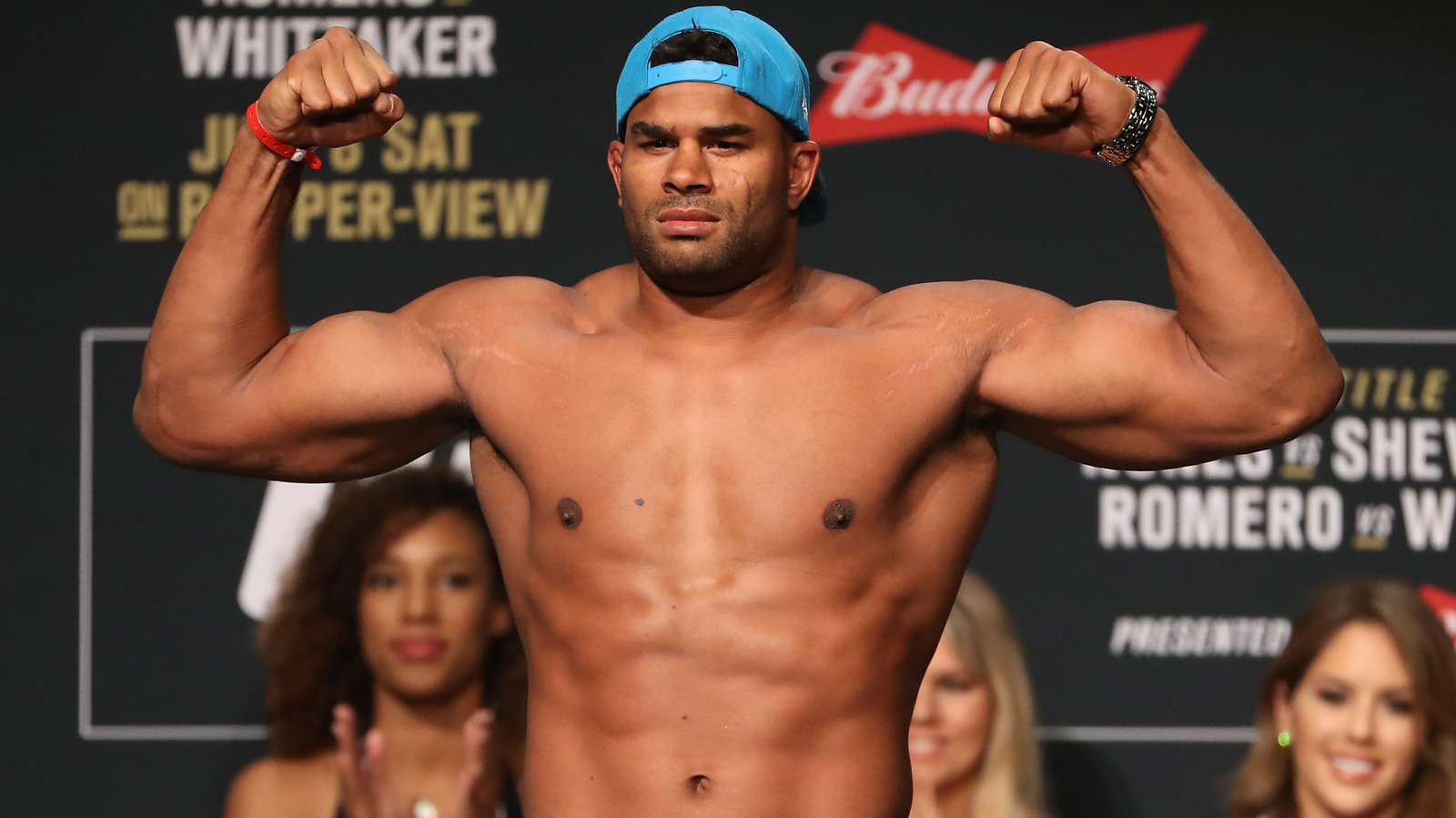
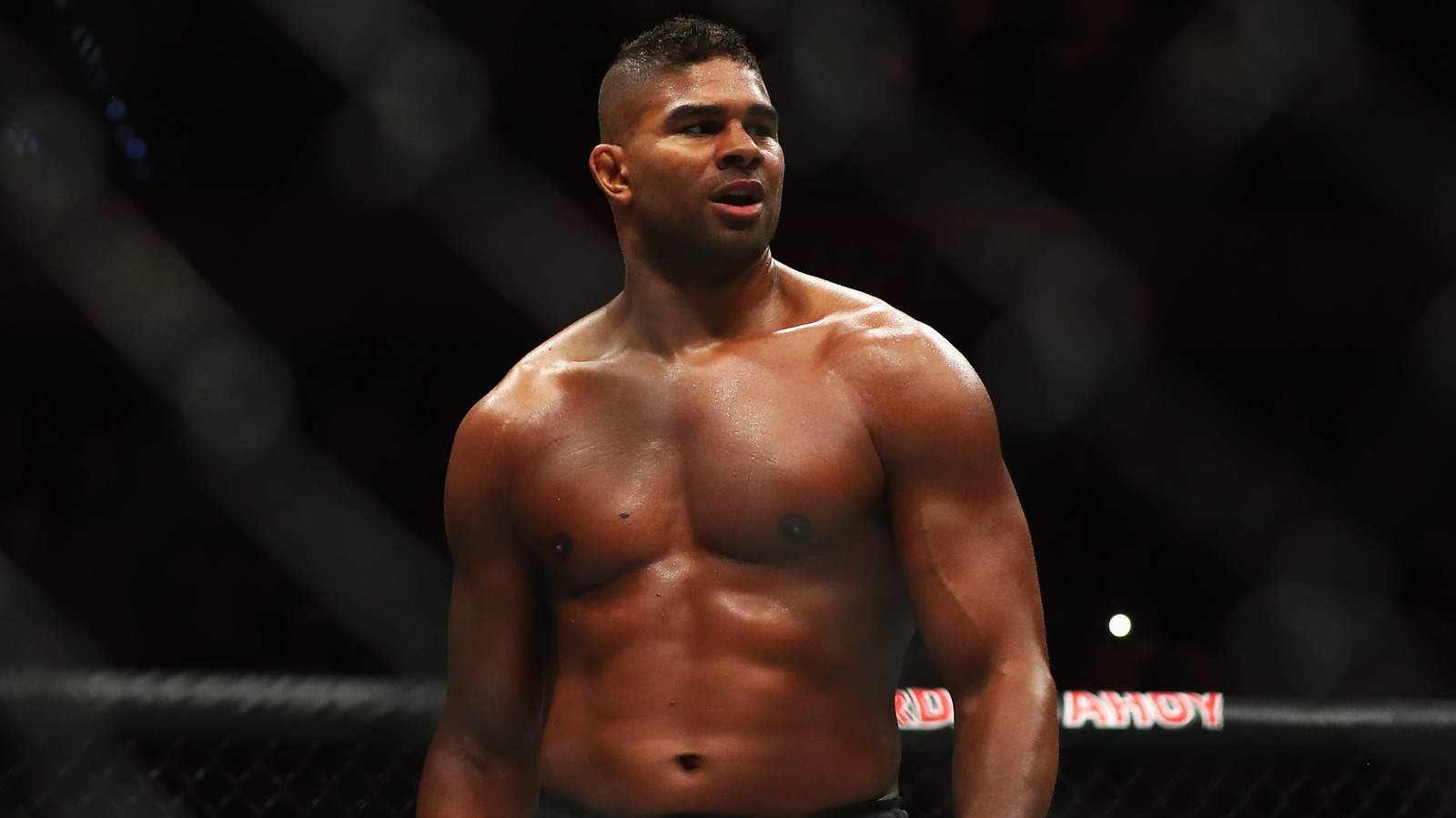
Overeem's recent disappearance from the heavyweight spotlight preceded a shocking visual change. The "Ubereem" physique that dominated Strikeforce and DREAM is a memory. He has lost significant weight, appearing lean and almost gaunt compared to his 265-pound peak. He has credited this to a strict vegetarian diet and various holistic practices. While he looks healthier in terms of inflammation, the idea that a change in diet can reverse the tau protein buildup associated with CTE is a massive leap that most doctors are unwilling to take.
The danger of the 'Reversible' narrative
There is a dark side to this kind of optimism. Journalism requires looking at the risk of such statements. If active fighters or wrestlers believe they can simply "heal" the damage later, they are more likely to take unnecessary risks now. We are just 25 days away from WrestleMania 41, an event where veterans like John Cena and CM Punk will put their bodies on the line in high-impact scenarios. The locker room culture in 2026 is far more cautious than it was twenty years ago, but rhetoric like Overeem's threatens to roll back that progress.
Medical professionals have been quick to point out that while symptoms of brain trauma—like depression, brain fog, and headaches—can be managed through lifestyle changes, the underlying structural damage to the brain remains. Overeem is likely feeling the benefits of reduced systemic inflammation. Dropping the massive muscle mass of his 30s has undoubtedly eased the strain on his heart and joints. However, conflating "feeling better" with "curing a degenerative disease" is a distinction that matters.
Impact on the wrestling world
The wrestling industry has a complicated relationship with brain health. The 2007 tragedy involving Chris Benoit remains the permanent scar on the business, leading to the current "No Chair Shots to the Head" policy in WWE. In AEW, we just saw Kyle Fletcher sidelined with a shoulder injury, but the focus on head health remains paramount during their high-flying matches. Overeem's comments come at a time when several former stars are involved in ongoing discussions about how promotions handle long-term healthcare for retired talent.
If Overeem is right, it would be the greatest breakthrough in the history of contact sports. If he is wrong, he is spreading a dangerous form of false hope. Most experts suggest that the 15 knockouts Overeem suffered cannot be erased by fasting or kale. The reality is that the brain does not regenerate like a torn bicep or a broken leg. Overeem has always been an outlier—a man who reinvented himself multiple times to stay relevant in a young man's game—but this might be one reinvention too far for the scientific community to swallow.
The reality of the Reem's transition
Since his official retirement from MMA in 2023, Overeem has been linked to various professional wrestling rumors. He famously called pro wrestling "lame" before later appearing at a few smaller shows and showing interest in a match with Braun Strowman. His pivot to health advocacy is part of his new persona, but it lacks the empirical backing that the industry needs. We have seen too many legends struggle in their 50s and 60s to accept a "cure" without rigorous peer-reviewed evidence.
As we head into April and the heavy schedule of UCL Quarter-Finals and WrestleMania, the physical toll on athletes is at its peak. The focus should remain on prevention and immediate treatment of concussions, rather than banking on a hypothetical recovery down the road. Overeem's confidence is trademark for a world champion, but in the fight against CTE, the opponent has yet to lose a single round. Expect the medical community to keep Overeem's claims at arm's length until he provides more than just an anecdote about feeling rejuvenated.
- Overeem's career spanned 1999 to 2023
- Recorded 47 wins in professional MMA
- Former Strikeforce, DREAM, and K-1 World Grand Prix Champion
- Claimed a vegetarian diet led to his 50-pound weight loss
- Currently 45 years old and advocating for alternative medicine
Ultimately, Overeem's comments serve as a reminder of the price of greatness in the ring. Whether he is a pioneer of a new recovery method or simply a man trying to make sense of his own history, the conversation around CTE isn't going away. For the fans watching the high-risk spots at AEW Dynasty this weekend, the hope is that the current generation is smarter than the last. We can appreciate Overeem's longevity, but we should be very careful about buying into his medical advice without a second opinion.