The cold economics of AJPW attendance
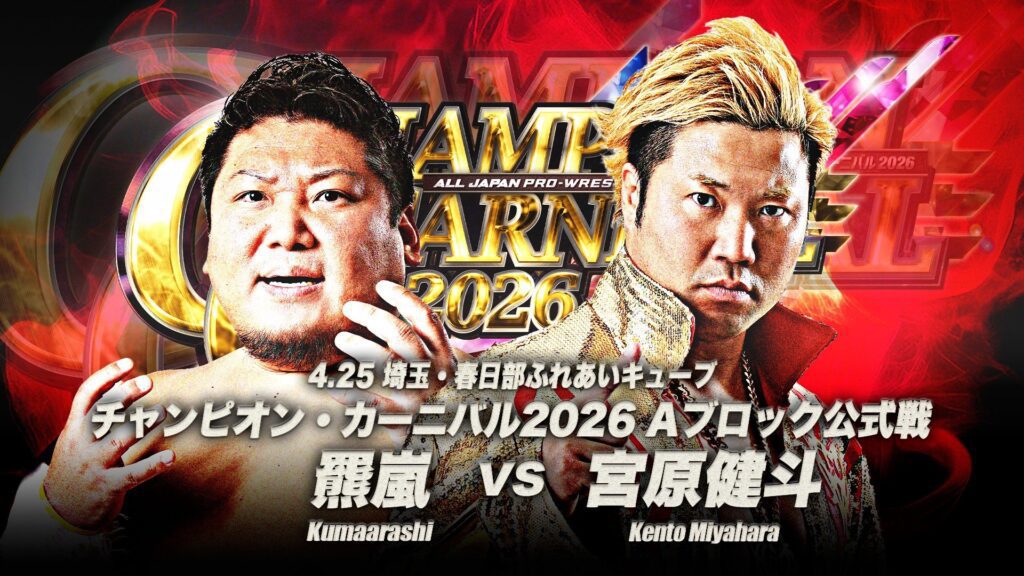
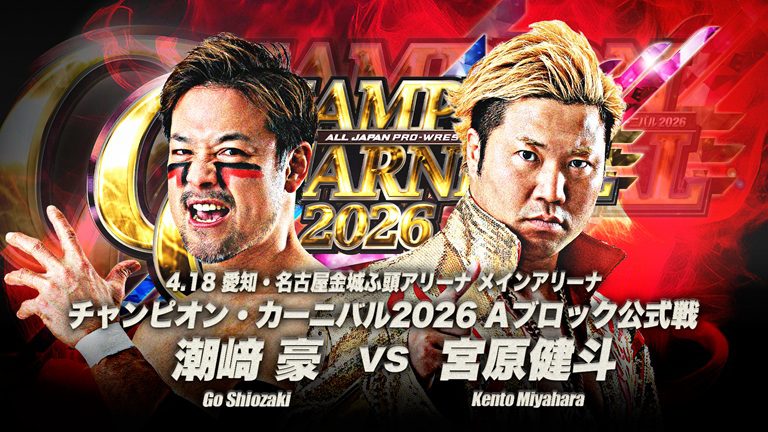
In Aichi, Japan, All Japan Pro Wrestling opened its doors at the Kinjo Futo Arena yesterday for the second night of the 2026 Champion Carnival. The turnstile count stood at 875 spectators. For a promotion with the historical weight of AJPW, this figure serves as a stark baseline for the internal state of the company as it attempts to navigate a congested Japanese market.
Analyzing the turnover in talent and interest
The card featured a 10-man tag team affair with Kengo Mashimo, Seiki Yoshioka, Rising Hayato, Atsuki Aoyagi, and Shota Kofuji securing the victory over Jack Kennedy, Shotaro Ashino, and Hiroki. The match itself functioned as a placeholder for the tournament hierarchy, yet the attendance metric highlights the gap between current booking and public demand. When AJPW aired the 2nd night of Champion Carnival, the 875-person crowd confirmed that mid-week tournament blocks struggle to capture outside attention.
Defining the variance in tournament engagement
Tournament wrestling relies on the perception of scarcity. By running the Champion Carnival in arenas with limited capacity, the promotion avoids visual disasters, yet the 875-person attendance shows a decline in localized interest compared to legacy peak periods. The data indicates that AJPW currently operates on a low-ceiling, high-consistency model. They are not chasing the massive stadium gates seen elsewhere, but they are also not expanding their base beyond the established core.
Operational shifts in modern wrestling consumption
The primary avenue for consumption is no longer the gate; it is the platform. With the event available via AJPW TV, the company is prioritizing digital accessibility over physical ticket volume. This shift is common across the sector, yet it creates a measurable dependency on subscriber retention rather than live event buzz.
The hidden cost of the format
Booking a 10-man tag on an tournament night is often intended to keep top talent fresh for later, higher-stakes matches. However, when the in-arena data is this low, the strategy serves to dilute the importance of the night itself. By balancing elite tournament blocks with tag-team padding, the promotion effectively lowers the bar for live attendance on non-final nights. For the fans in attendance, the experience may be intimate, but for the balance sheet, it is a period of stagnation.