The growth trap in Jacksonville
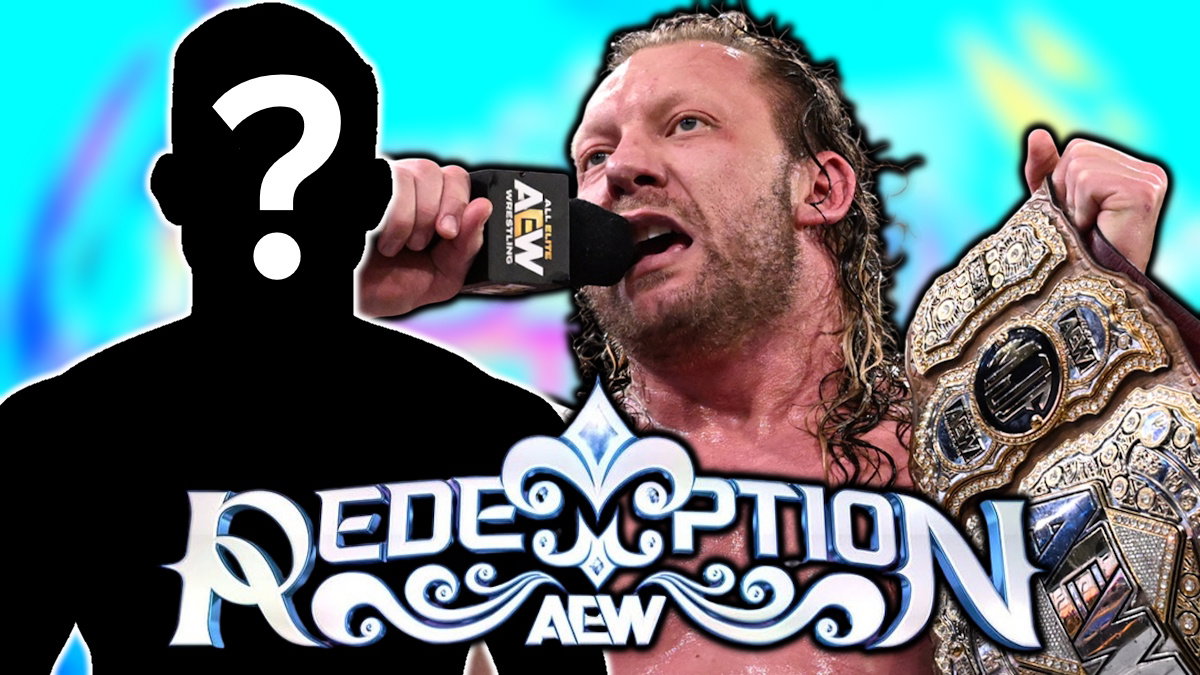
AEW is seemingly banking on a new pay-per-view event in 2026 to keep their product fresh. While recent viewership reports suggest a modest uptick for the April 15 episode, adding another major show feels like a blunt instrument used to solve a surgical problem. The audience isn't necessarily begging for more calendar slots; they want narrative payoff for the acts already occupying three hours of weekly television.
The booking disconnect
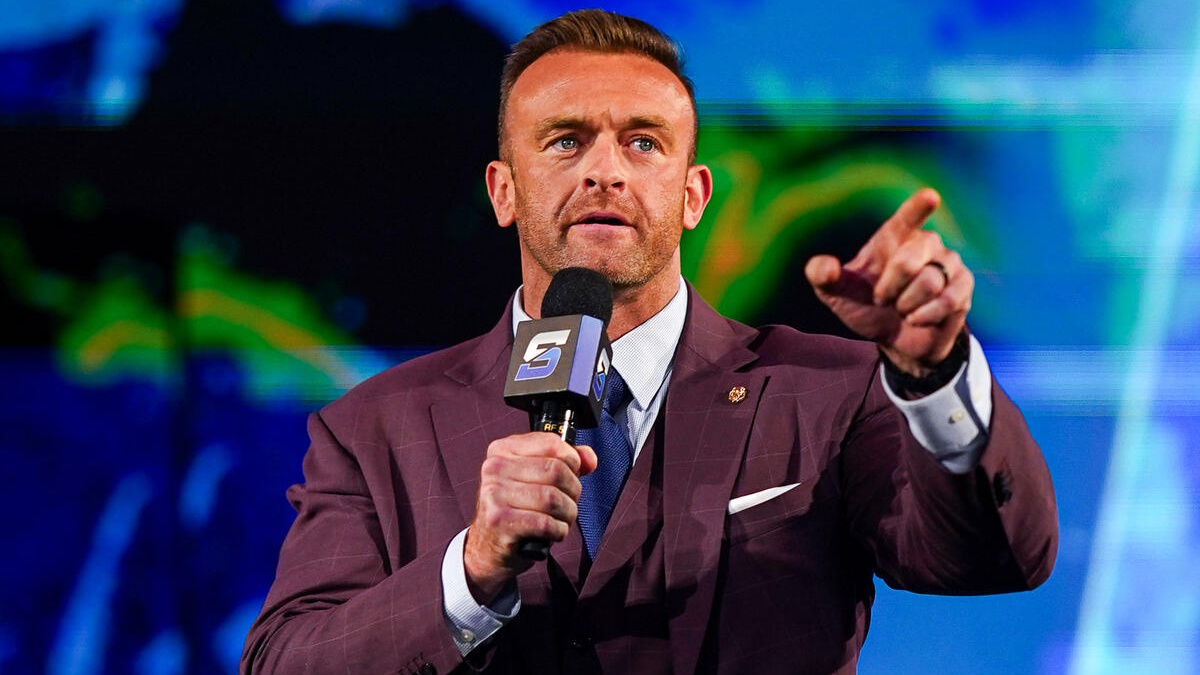
Look at the midweek scene. On April 16, TNA provided a grounded, personality-driven segment in Syracuse where Nic Nemeth's commentary led to a direct conflict with AJ Francis. It was simple, low-stakes, and effective. Meanwhile, AEW feels increasingly like it operates in a vacuum where title reigns and rankings fluctuate without a strong gravitational pull.
We are seeing too many title defenses that prioritize stylistic variety over long-term character investment. If the promotion continues to prioritize the volume of events rather than the intensity of the build, those quarterly growth gains will flatten. The industry has seen this cycle before: expanding the product without deepening the roster's connection to the audience leads to diminishing returns.
Predicting the fiscal pivot
My prediction? The new PPV announcement will draw initial social media hype, but the actual buy rate will mirror their standard middle-tier offerings. The promotion needs to focus on mid-card elevation. Having a deep roster is a luxury that becomes an anchor if half your talent is missing a coherent arc.
The current scheduling strategy assumes that availability equates to demand. That is a dangerous assumption for AEW. They are currently hitting a 1.5% variance in week-to-week viewership, signaling a hardened fanbase that isn't growing at the rate the executive team likely expects. Adding a show to the schedule doesn't fix the lack of a marquee, main-event-level narrative that feels must-watch. They are treating the symptoms while the core engagement metrics remain static.
The reality check
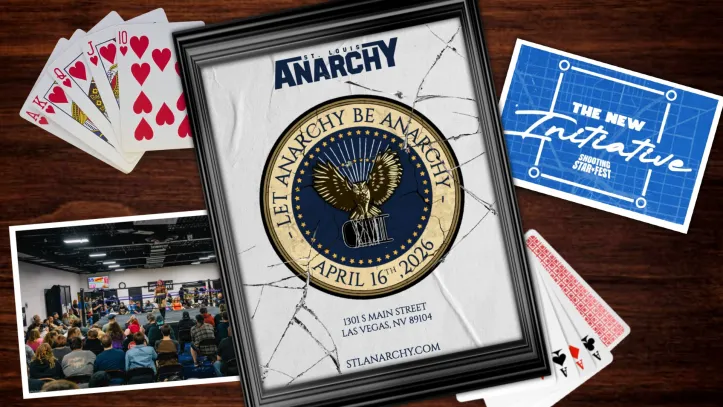
Consider the contrast with indie events like the St. Louis Anarchy card in Las Vegas. Those promotions define themselves by a specific identity. AEW is currently struggling to decide if it is a sports-centric league or a personality-driven variety show, and trying to be both often means failing at both. Until the booking room decides on a singular vision, that new PPV will just be another three hours of high-level wrestling lacking the necessary emotional stakes.