The AJPW roster crunch
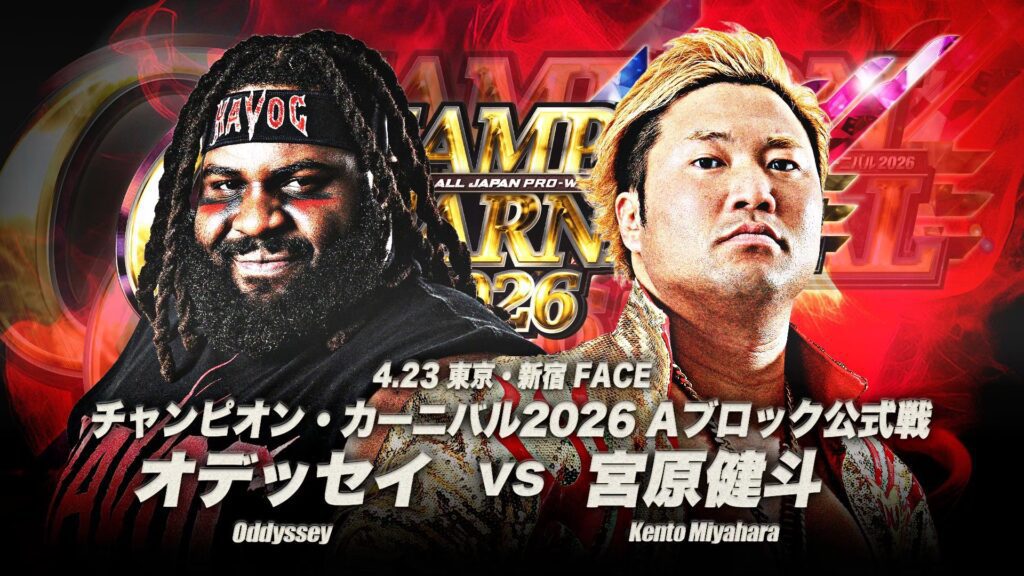
All Japan Pro Wrestling has released the participant list for the 2026 Champion Carnival. The field features 16 competitors split into two blocks of eight, aiming to determine the number one contender for the Triple Crown Heavyweight Championship.
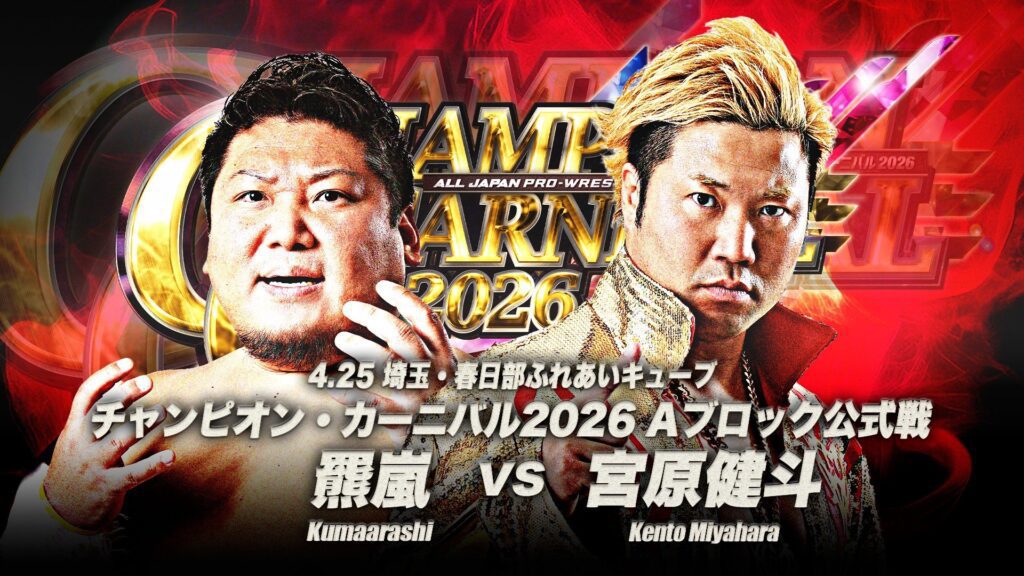
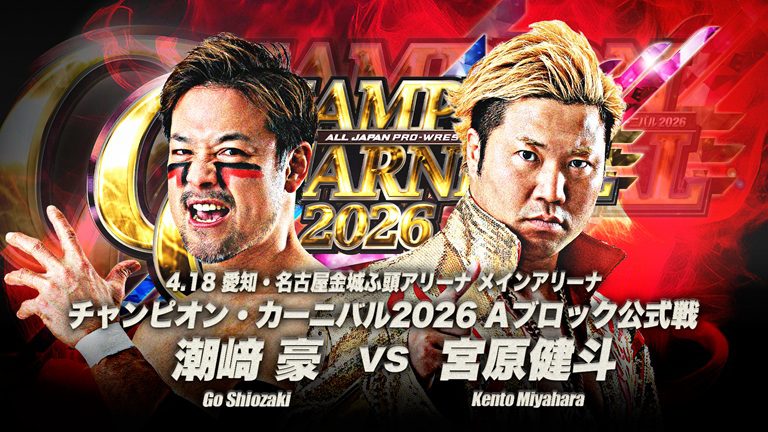
Looking at the blocks, the promotion is leaning heavily on established veterans while failing to capitalize on the younger talent that carried the promotion through the winter tour. Kento Miyahara and Yuma Aoyagi are the clear centerpieces, but their presence feels predictable at this stage.
The booking flaws in the blocks
The decision to split the field into two blocks of eight creates a math problem for the booking team. With 56 total matches scheduled, the pacing of these shows will likely suffer during the mid-card segments. We saw this exact issue during the 2024 iteration where the fatigue of the tournament caused the final two weeks to feel sluggish.
The inclusion of several freelancers fills the gaps but does little to build long-term equity in the AJPW brand. While BodySlam.net confirmed the full list, the lack of a true breakout star in this group is glaring. Fans hoping for a push for younger talent like Rising HAYATO or Dan Tamura will likely be disappointed by their positioning.
The tournament format relies on a 2-point system for wins. A draw awards 1 point to each wrestler. This scoring structure often leads to repetitive time-limit draws in the final block matches to protect top-tier talent from taking losses.
The weight of the schedule
The tournament kicks off in early April and culminates with a final in late May. That is a grueling pace for a roster that already deals with high injury rates. The physical toll of the Champion Carnival is 28 days of intense travel and high-impact wrestling.
The Triple Crown picture remains stagnant until the tournament concludes. By tying the championship opportunity exclusively to this tournament, the promotion limits its ability to pivot if a wrestler gets hot outside of this specific block structure. It is a rigid approach that ignores current fan sentiment.
A lack of fresh faces
The absence of any major surprise entrants is perhaps the most significant criticism. A tournament of this prestige historically relies on an outsider or a returning legend to generate buzz. This year, the field is entirely domestic and familiar.
The reliance on the same core group of main eventers suggests a lack of faith in the mid-card to carry a main event spot. If the final match is once again Miyahara against Aoyagi, the tournament will have failed its primary purpose of creating new challengers. The fans are paying for tickets to see evolution, not a circular narrative.
The tournament schedule is as follows:
- April 4: Opening Night in Korakuen Hall
- May 18: Final day in Ota Ward Gymnasium
The winner earns a direct shot at the Triple Crown. The current champion will be watching from the sidelines, potentially setting up a defense at the June Sumo Hall show. If the tournament winner is someone who has already challenged for the belt twice in the last year, the audience will likely reject the result regardless of the match quality.
AJPW needs to take a risk by booking a non-traditional winner. The 2025 results proved that safety does not drive increased gate receipts. Without a bold booking decision, this tournament risks being a footnote in a year that requires a major creative spark.
Read Next