Measuring the spectacle at Allegiant Stadium
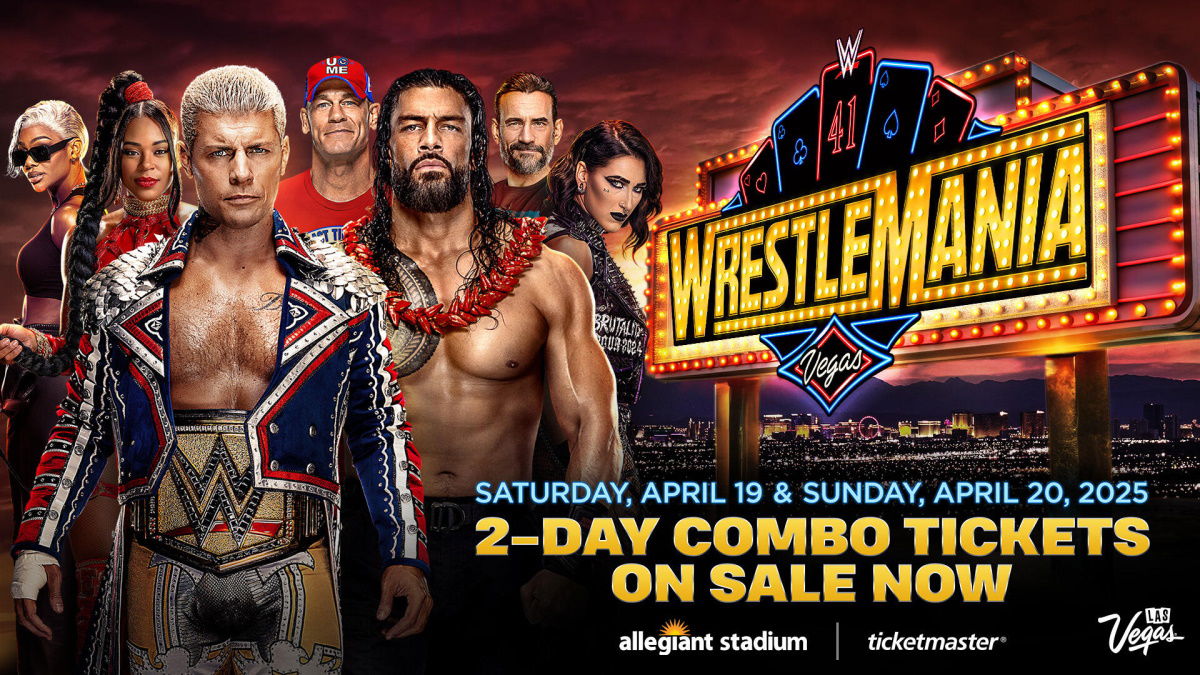
As the doors open for Night 1 on April 19, WWE faces the reality of booking a massive venue under immense pressure. Following the 2026 season finale rollout, the goal is to maintain momentum across a massive roster. The strategy relies heavily on star power to carry the weekend, but even top-tier cards face diminishing returns if the narrative direction stalls.
Defining the attendance baseline
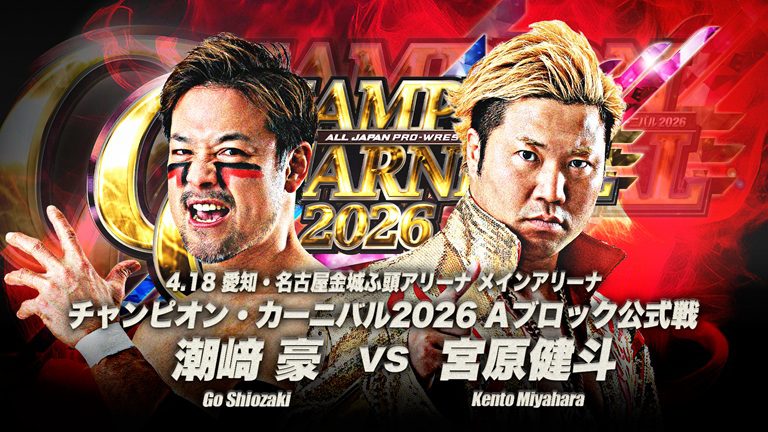
The recent AJPW Champion Carnival attendance check provides a grim frame of reference for the broader industry. An event yielding just 875 spectators at the Kinjo Futo Arena highlights how difficult it is to sustain interest without a compelling, high-stakes hook. WWE currently moves much higher volume, yet the logic remains identical: a promotion is only as strong as its ability to fill seats at scale.
The high-stakes gamble on star power
WWE must navigate a fickle audience that has consumed almost every permutation of the main event. Relying on marquee talent for WrestleMania 41 costs a premium in travel, logistics, and production, yet the financial return is strictly capped by the venue capacity. The company aims for a clean finish to anchor the next cycle of programming, particularly as they approach the post-April calendar.
Failure to maximize this attendance milestone invites skepticism from investors and fans alike. If the booking feels repetitive, the actual draw could fail to meet the lofty projections set for this fiscal quarter. We are tracking a total capacity goal that requires near-perfect execution over these two nights.
Statistical vulnerabilities in the schedule
The gap between the 875 attendees in Aichi and the projected tens of thousands in Las Vegas is not merely about brand recognition. It is about the structural health of the wrestling product in 2026. If the Allegiant Stadium shows rely too heavily on nostalgia rather than modern narrative stakes, the mid-year viewership numbers will likely deflate by the time Backlash arrives on May 9.
Bookers face a conundrum. Attempting to force a shock outcome often results in crowd disconnection if the build-up is transparent. The current card structure suggests a balanced approach, but the execution needs to sharpen significantly by the 9:00 PM mark on Saturday to ensure audience retention through Sunday.