The cost of high stakes violence
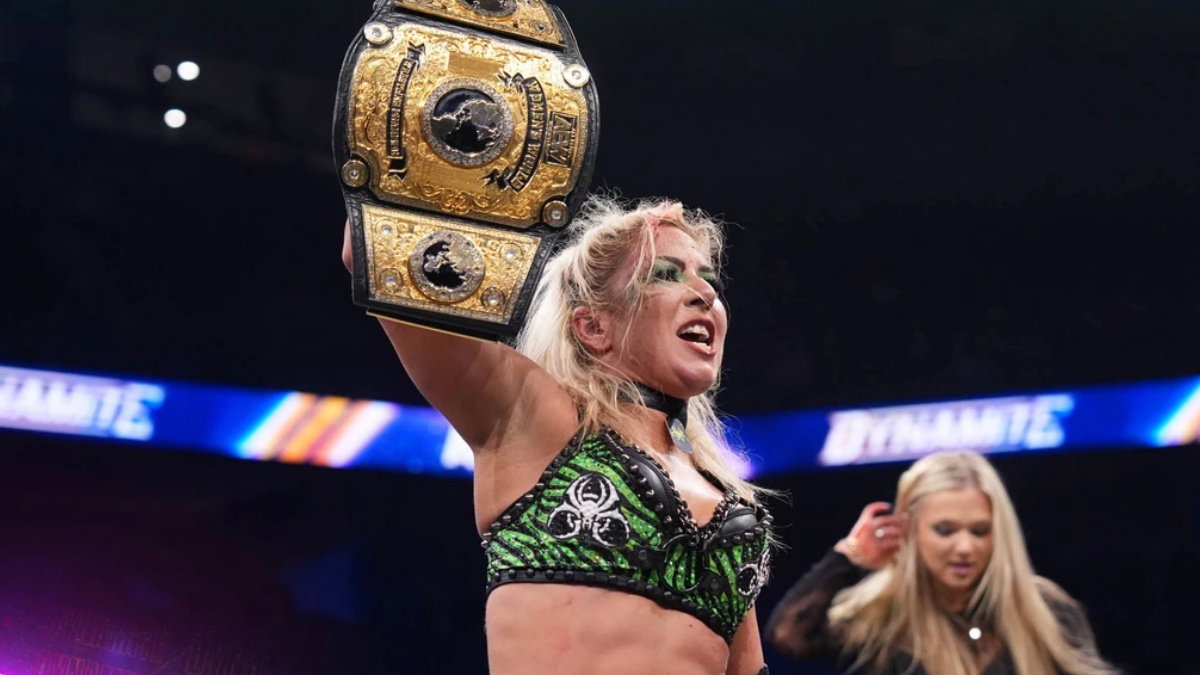
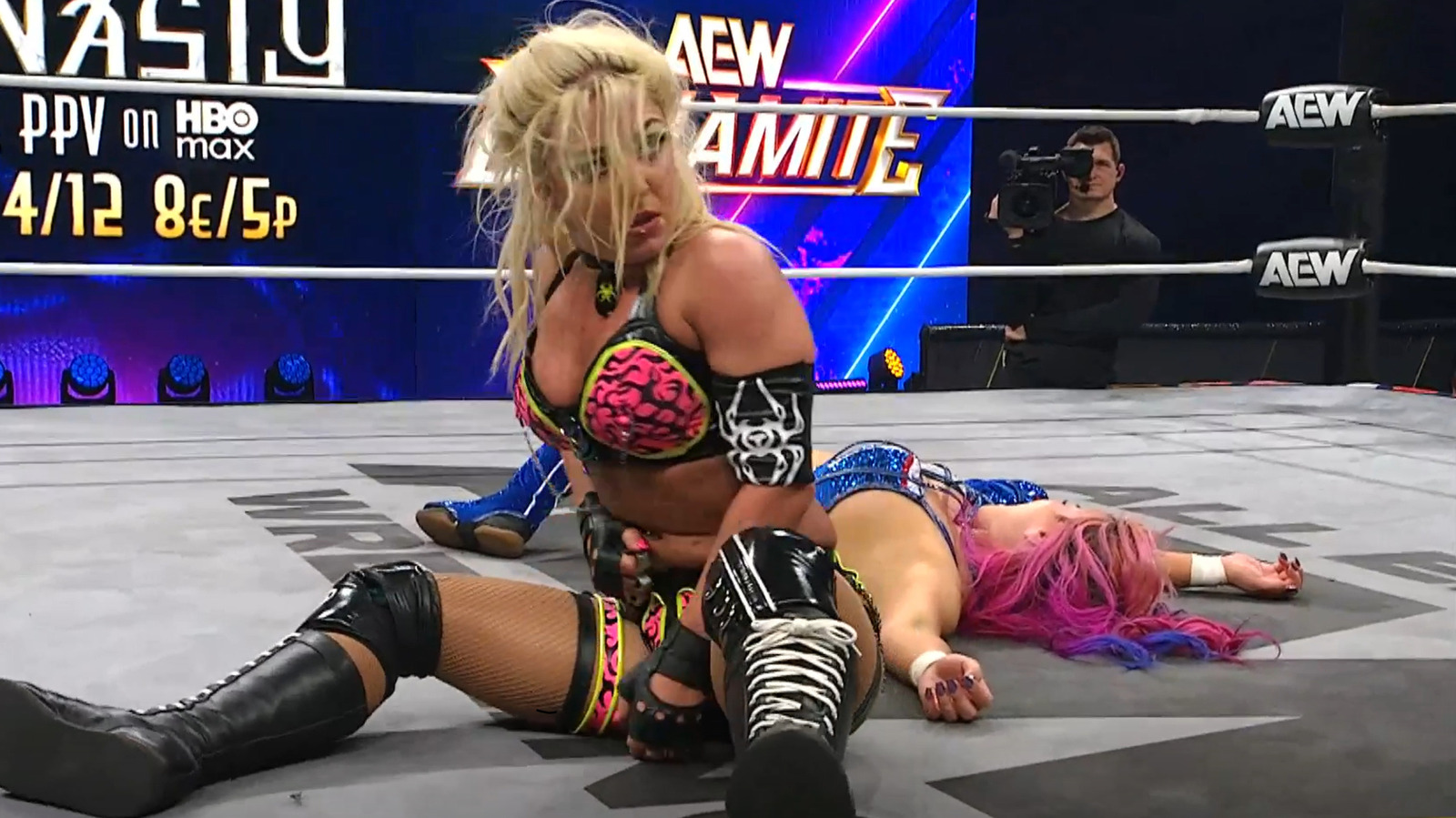
AEW Women's World Champion Thekla has set a clear price point for the company's most dangerous stipulation. Following the promotion's first-ever women's Blood & Guts match, she recently went on record stating the division requires a financial raise if management demands a sequel. This isn't just posturing; it reflects the physical reality of a match type where the injury rate is historically high.
Consider the logistical weight of the stipulation. Blood & Guts requires two rings, a massive steel cage, and enough medical clearance to cover a roster of ten talent members. When a performer like Thekla demands a raise for a second iteration, she is calculating the risk-to-reward ratio for her peers. Wrestling is an industry of attrition, and booking high-impact matches without adjusting compensation is a recipe for long-term roster instability.
Spilling blood in Huntsville
As recent reports indicate, the promotion continues to run heavy schedules in markets like Huntsville, Alabama. While the focus remains on the television product, the ROH taping results from May 31 show a promotion struggling to balance its dual-brand identity. The sheer volume of matches recorded in a single night is the primary driver of talent fatigue.
We are looking at a 3-hour recording window for ROH, often packed with talent also working AEW television slots. When you add a Survival of the Fittest match to determine the next TBS Champion, as reported by F4WOnline, you increase the density of high-spots on every card. Increasing the carnage without adjusting the bottom line is why veteran performers are now speaking out.
Defining the compensation gap
Thekla's request highlights a trend where talent is increasingly aware of the revenue-to-risk spread. If a Blood & Guts match draws a significant gate and maintains high viewership, the performers are essentially demanding a percentage of that value. This is a cold, calculated move in professional wrestling.
- A standard women's championship defense usually involves two primary performers.
- Blood & Guts requires 10 competitors, multiplying the medical liability by 500%.
- The physical toll of these matches historically leads to a 20% increase in time off for involved talent according to general industry recovery data.
The booking disconnect
The promotion's reliance on high-gimmick matches to drive interest is becoming a crutch. If the company needs a $1 million gate to justify the medical costs of a steel cage environment, they need to show their work. Failing to pay for the talent's willingness to suffer puts the entire division at a crossroads.
The scheduling in Huntsville, while efficient for logistics, does little to build the brand power required to sustain these demands. If the promotion wants to scale the women's division into a main event powerhouse, the back-end finances must match the intensity shown in the ring. Thekla is right: professional wrestling at this level is not a hobby. It is an investment in human capital that currently feels undervalued.