Internal shifts at All Elite Wrestling
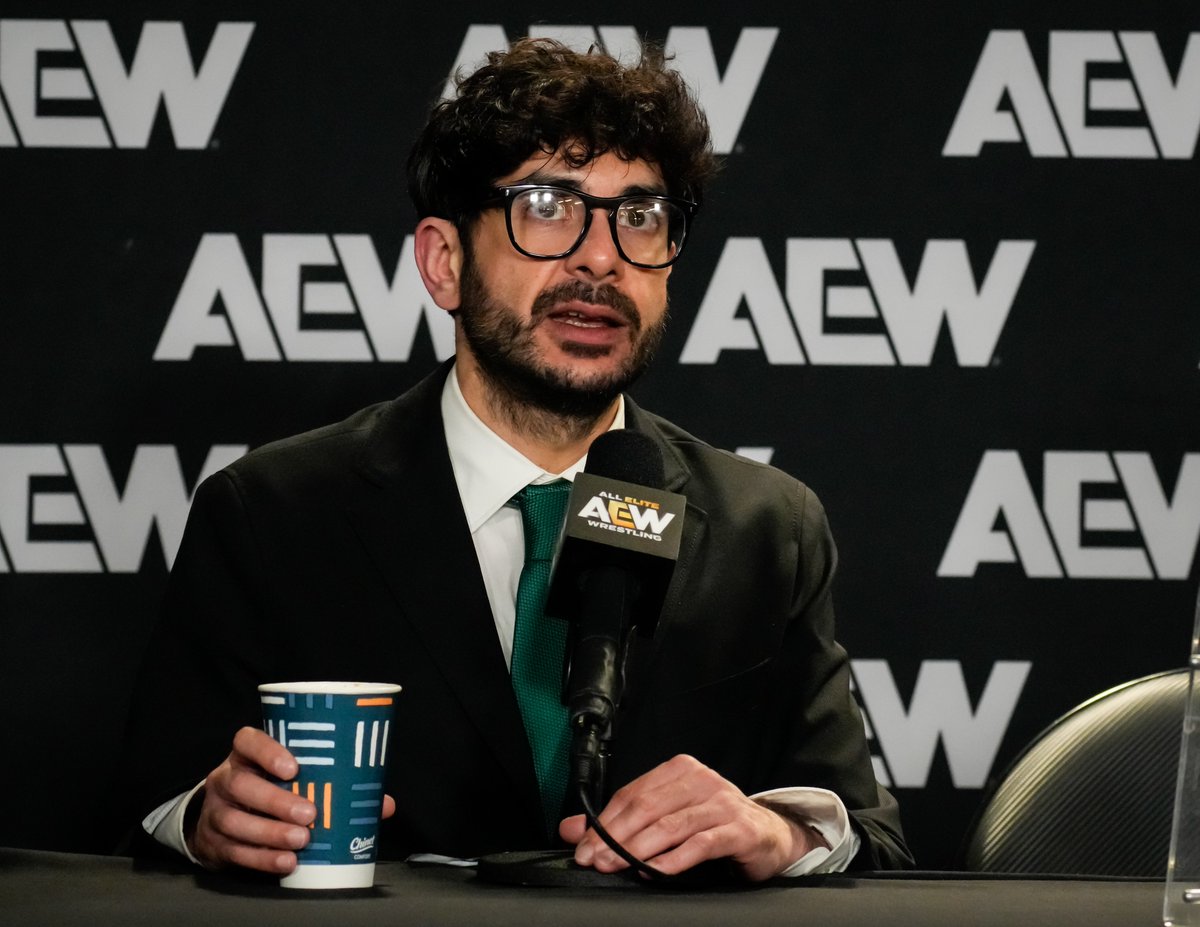
Tony Khan is moving out of the phase defined by rapid expansion and into a period of surgical refinement. Following a turbulent 2025 where the promotion faced external scrutiny regarding roster bloat, the AEW owner is signaling a move toward more calculated recruitment. This shift comes as Khan publicly reflects on the lessons learned since the company’s 2019 inception.
Sources indicate the front office is no longer prioritizing simply capturing free-agent market share. Instead, the focus has narrowed to correcting presentation imbalances. Those familiar with internal discussions suggest that talent identity will be the primary lever pulled to maximize current assets. Expect a series of character reboots and name adjustments as the company tries to polish its mid-card value.
Thekla proof-of-concept
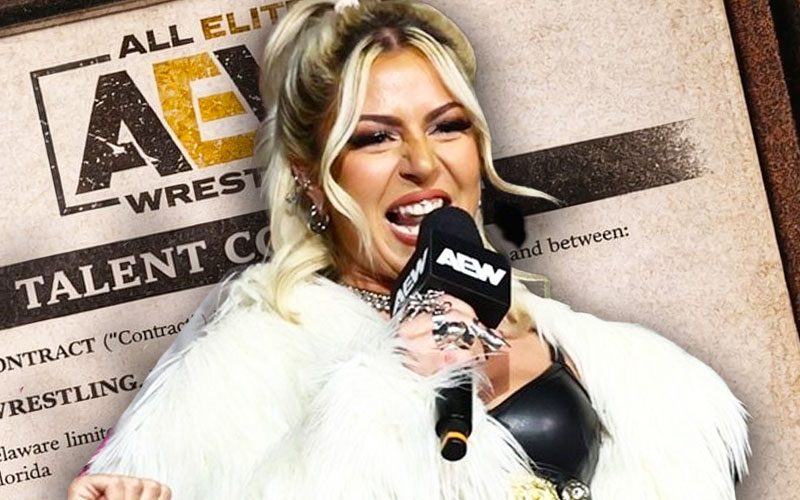
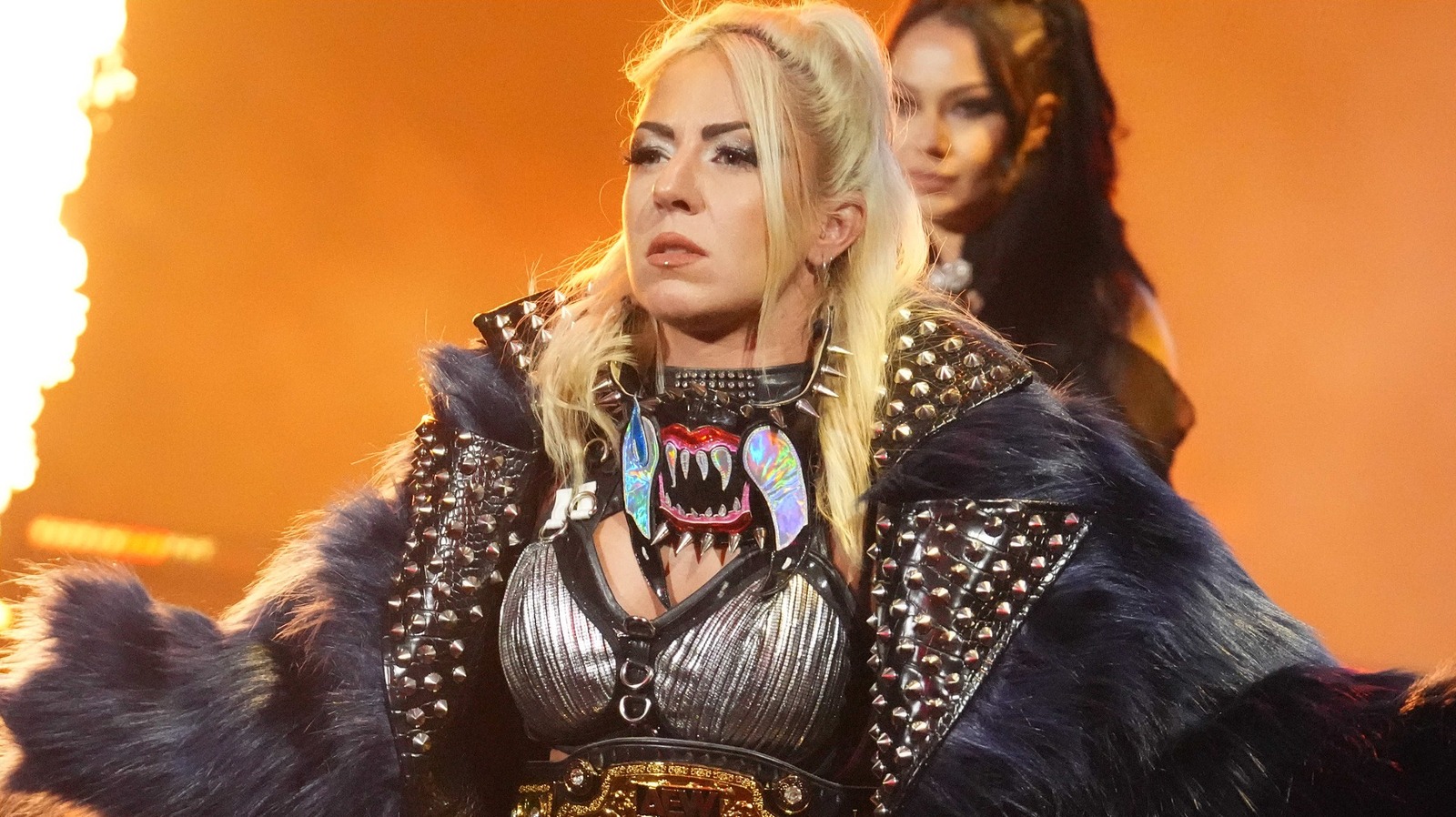
The success of the women’s division has become the blueprint for this new, leaner approach. Khan recently identified Thekla as the MVP of the past year’s additions, pointing to her seamless transition from Stardom. This endorsement isn't merely praise; it is a declaration of preference for fighters with specific, refined skill sets over big-name legacy acquisitions.
This philosophy directly impacts how AEW will view potential future signings. The days of indiscriminate spending to block competition are over. Any wrestler scouted in the coming months must now demonstrate a clear narrative fit beyond their star power. If they cannot replicate the immediate impact Thekla had, they are unlikely to receive a formal offer.
Managing the “Nice Guy” narrative
Khan’s leadership style has been a constant talking point. Critics have frequently used his perceived affability as a weapon, suggesting it leads to a lack of structure in the locker room. Khan has pushed back on this framing, asserting that his personal style does not correlate to organizational weakness.
However, the skepticism remains valid. AEW currently carries a heavy roster that often struggles to provide adequate television time to its most promising talent. While names go through various presentation adjustments, the core issue of underutilized depth remains. Fans have grown tired of seeing high-ceiling performers stranded in catering or trapped in aimless feuds that lead nowhere.
The shadow of the failed WWE bid
The ghost of 2023 continues to linger over the company’s decision-making process. Khan recently admitted that his attempt to purchase WWE left him flying blind regarding how major industry deals truly function behind closed doors. This admission suggests that the front office is now operating with a more mature, less idealistic worldview.
The lack of leverage experienced during that period seems to have hardened the negotiation strategy for the current fiscal year. AEW is no longer attempting to play the role of the disruptor whose only objective is to break the status quo at any cost. The goal is now survival in a market where the incumbent giant has regained its footing.
Assessment and impact
The probability of a massive, splashy free-agent signing before the end of the second quarter is low. Khan is clearly prioritizing the stabilization of his current roster over the pursuit of new talent that would only exacerbate existing creative logjams. The focus remains on branding upgrades and the promotion of established stars like the Women’s World Champion.
Expect the creative direction to lean heavily into the “new era” narrative as the promotion moves toward its summer programming. If the company succeeds, the result will be a more coherent weekly television product. If they fail, the reliance on legacy names will continue to frustrate fans, despite the current efforts to pivot. The strategy is high-stakes, but the acknowledgment of previous missteps is a necessary first step toward long-term institutional health.
Read Next